Screening tests for disease prevention play a crucial role in maintaining overall health and well-being. By detecting potential issues early on, these tests can be instrumental in preventing serious diseases and promoting a healthier lifestyle. Let’s delve into the significance of screening tests and how they can benefit individuals in their health journey.
Wellness Programs
Wellness programs play a crucial role in disease prevention by promoting healthy behaviors, providing education on risk factors, and offering preventive screenings to detect potential issues early on.
These programs often focus on encouraging individuals to adopt healthier lifestyles through activities such as regular exercise, balanced nutrition, stress management, and avoiding harmful habits like smoking. By incorporating screening tests into these programs, individuals are empowered to take charge of their health and identify any potential health concerns before they escalate.
Examples of Wellness Programs with Screening Tests
- Employee Wellness Programs: Many companies offer wellness programs to their employees, which may include screenings for conditions like high blood pressure, cholesterol levels, and diabetes.
- Community Health Fairs: These events often provide free or low-cost screenings for various health indicators, such as body mass index (BMI), blood sugar levels, and skin cancer checks.
- Health Coaching Programs: Some wellness programs offer personalized health coaching services that may include guidance on scheduling and interpreting screening tests to monitor overall health.
Effectiveness of Different Wellness Programs for Disease Prevention
Various types of wellness programs can be effective in disease prevention, but their impact may differ depending on factors such as accessibility, participant engagement, and the comprehensiveness of the offered services.
- Long-term Wellness Programs: Programs that focus on sustained lifestyle changes over time tend to have a lasting impact on disease prevention compared to short-term initiatives.
- Targeted Programs: Wellness programs tailored to specific populations or health concerns, such as cardiovascular health or cancer prevention, may yield better results by addressing individual needs more effectively.
- Integrated Wellness Programs: Combining multiple strategies, such as screenings, education, and incentives for healthy behaviors, can enhance the overall effectiveness of disease prevention efforts within wellness programs.
Herbal Remedies
Herbal remedies have long been used as a complementary approach to conventional medicine in disease prevention. These natural remedies can offer a range of benefits when incorporated into a disease prevention routine, working alongside screening tests to enhance overall health and well-being.
Benefits of Herbal Remedies in Disease Prevention
- Supporting the immune system: Herbal remedies like echinacea and elderberry can help boost the immune system, making the body more resilient against infections and diseases.
- Reducing inflammation: Turmeric and ginger are popular herbs known for their anti-inflammatory properties, which can help prevent chronic inflammatory conditions.
- Providing antioxidants: Herbs like green tea and garlic are rich in antioxidants, which can protect cells from damage and reduce the risk of chronic diseases.
Popular Herbal Remedies for Disease Prevention
- Milk Thistle: Known for its liver-protecting properties, milk thistle can help prevent liver damage and support overall liver health.
- Ginkgo Biloba: This herb is believed to improve cognitive function and memory, which can be beneficial in preventing age-related cognitive decline.
- Garlic: Garlic is known for its antimicrobial properties and cardiovascular benefits, making it a popular choice for heart health and disease prevention.
Skin Health
Regular screening tests play a crucial role in the early detection of various skin-related diseases. By identifying potential issues at an early stage, individuals can receive timely treatment and management, improving overall outcomes and prognosis.
Importance of Skin Health Screenings
Regular screenings for skin health are essential for maintaining optimal skin health. Skin is the body’s largest organ and serves as a protective barrier against external elements. Monitoring skin health through screenings can help identify skin cancers, infections, and other dermatological conditions early on, allowing for prompt intervention and management.
- Screenings can detect skin cancer, such as melanoma, basal cell carcinoma, and squamous cell carcinoma, at an early stage when treatment is most effective.
- Identification of skin infections like fungal infections, bacterial infections, and viral infections can prevent the spread of the infection and promote faster healing.
- Regular screenings can also help manage chronic skin conditions like eczema, psoriasis, and acne, ensuring proper care and treatment to minimize flare-ups.
Tips for Incorporating Skin Health Screenings
Regular skin health screenings should be integrated into a holistic disease prevention plan to ensure overall well-being. Here are some tips for incorporating skin health screenings effectively:
- Consult with a dermatologist to establish a personalized screening schedule based on your skin type, family history, and risk factors.
- Perform self-examinations regularly to monitor moles, lesions, and any changes in your skin’s appearance, texture, or color.
- Stay informed about common signs of skin cancer and dermatological conditions to recognize potential warning signs early on.
Bone Density
Screening tests for bone density play a crucial role in preventing osteoporosis and related conditions by detecting early signs of bone loss. Maintaining healthy bone density is essential for overall bone health and preventing fractures.
Importance of Bone Density Screenings
- Bone density screenings help identify individuals at risk for osteoporosis, a condition characterized by weak and brittle bones.
- Early detection through screenings allows for timely intervention and management strategies to prevent bone loss and fractures.
- Monitoring bone density over time can track changes and the effectiveness of treatment plans.
Lifestyle Choices and Screenings for Healthy Bone Density
- Engaging in weight-bearing exercises, such as walking or strength training, can help maintain and improve bone density.
- A diet rich in calcium and vitamin D is essential for strong bones and can be supplemented if necessary.
- Avoiding smoking and excessive alcohol consumption can contribute to better bone health.
- Regular bone density screenings as recommended by healthcare providers can help assess bone health and guide preventive measures.
Advancements in Bone Density Screening Technologies
- Dual-energy X-ray absorptiometry (DXA) remains the gold standard for bone density testing, providing accurate results with low radiation exposure.
- Quantitative ultrasound (QUS) is a portable and radiation-free alternative for assessing bone density in select populations.
- Advanced imaging techniques, such as high-resolution peripheral quantitative computed tomography (HR-pQCT), offer detailed insights into bone microarchitecture.
Muscle Mass
Maintaining a healthy level of muscle mass is crucial for overall health and well-being. Not only does it support proper body function and metabolism, but it also plays a significant role in disease prevention.Muscle mass is closely linked to disease prevention as it helps regulate blood sugar levels, improve insulin sensitivity, and reduce the risk of chronic conditions such as diabetes, heart disease, and obesity.
Additionally, having adequate muscle mass can contribute to better mobility, balance, and overall quality of life as we age.
Assessing Muscle Health
Screening tests can assess muscle health through measurements such as grip strength, muscle mass index, and body composition analysis. These tests can help identify age-related muscle loss, known as sarcopenia, and allow for early intervention to prevent further decline.
- Regular physical activity, including strength training exercises, can help improve muscle mass and prevent age-related muscle loss.
- Consulting with a healthcare provider or a fitness professional can provide personalized recommendations for exercise routines and screenings tailored to individual needs.
- Monitoring muscle mass through regular screenings and assessments can help track progress and make adjustments to lifestyle habits as needed.
Dental Care: Screening Tests For Disease Prevention
Regular dental screenings play a crucial role in disease prevention by not only maintaining good oral health but also impacting overall health. The connection between oral health and systemic diseases highlights the importance of prioritizing dental care as part of a holistic approach to wellness.
Importance of Regular Dental Screenings
- Regular dental check-ups can help detect early signs of dental issues such as cavities, gum disease, or oral cancer.
- Preventive dental care can help reduce the risk of developing more serious health conditions like heart disease, diabetes, and respiratory infections.
- Early detection of dental problems can lead to timely intervention and treatment, preventing complications and further health issues.
Connection between Oral Health and Systemic Diseases
- Poor oral health has been linked to various systemic diseases, including cardiovascular disease, diabetes, and Alzheimer’s disease.
- Chronic inflammation in the mouth can contribute to inflammation throughout the body, increasing the risk of developing chronic diseases.
- Bacteria from oral infections can enter the bloodstream and affect other organs, potentially leading to serious health complications.
Best Practices for Maintaining Good Dental Health
- Brush teeth at least twice a day with fluoride toothpaste and floss daily to remove plaque and prevent cavities.
- Limit sugary and acidic foods and drinks that can erode tooth enamel and contribute to decay.
- Visit the dentist regularly for check-ups, cleanings, and preventive treatments to ensure optimal oral health.
Eye Health
Maintaining good eye health is crucial for overall well-being. Regular eye health screenings play a vital role in detecting underlying health issues beyond just vision problems. These screenings can help identify early signs of diseases such as diabetes, high blood pressure, and even certain types of cancer.
Common Eye Conditions
- Refractive errors like nearsightedness, farsightedness, and astigmatism
- Cataracts, which cloud the lens of the eye
- Glaucoma, a group of eye conditions that can damage the optic nerve
- Age-related macular degeneration, leading to vision loss
Tips for Optimal Eye Health
- Schedule regular eye exams with an optometrist or ophthalmologist
- Eat a diet rich in fruits and vegetables, particularly those high in vitamins A, C, and E
- Protect your eyes from UV rays by wearing sunglasses outdoors
- Avoid smoking, as it increases the risk of eye diseases
- Give your eyes a break from screens by following the 20-20-20 rule: every 20 minutes, look at something 20 feet away for at least 20 seconds
Mental Clarity
Screening tests for cognitive function are essential in disease prevention as they can detect early signs of cognitive decline or neurological conditions.
Impact on Overall Health
Mental clarity plays a crucial role in overall health and well-being. It affects various aspects of life, including decision-making, problem-solving, and emotional regulation.
Strategies for Improving Mental Clarity
- Engage in regular physical exercise to improve blood flow to the brain.
- Practice mindfulness and meditation to reduce stress and improve focus.
- Get an adequate amount of sleep to allow the brain to rest and recharge.
- Follow a balanced diet rich in antioxidants and omega-3 fatty acids to support brain health.
- Stay socially connected to prevent feelings of isolation and maintain cognitive function.
Joint Flexibility
Maintaining good joint flexibility is crucial for overall health and disease prevention. Flexible joints can help reduce the risk of certain diseases and improve overall quality of life. By incorporating exercises and practices that enhance joint flexibility, individuals can prevent health issues and maintain mobility as they age.
Benefits of Joint Flexibility Screenings
Regular joint flexibility screenings can help identify any limitations or issues with mobility before they escalate into more serious health problems. These screenings can also assess the range of motion in different joints, allowing healthcare providers to recommend specific exercises or treatments to improve flexibility and prevent injuries.
Exercises and Practices for Enhancing Joint Flexibility
- Yoga and Pilates: Both of these practices focus on stretching and strengthening muscles, which can improve joint flexibility and range of motion.
- Stretching Exercises: Incorporating daily stretching routines can help maintain or improve joint flexibility, especially in areas prone to stiffness.
- Low-Impact Aerobic Exercises: Activities like swimming or biking can help improve joint flexibility without putting too much strain on the joints.
- Balance and Stability Training: Exercises that improve balance and stability can also enhance joint flexibility and reduce the risk of falls or injuries.
Digestive Health
Digestive health is a crucial aspect of overall well-being, as it plays a significant role in disease prevention and maintaining a healthy lifestyle. Screening tests for digestive health can help in early detection of potential issues and provide valuable insights into our digestive system’s functioning.
Significance of Digestive Health Screenings
Regular screenings for digestive health can help identify conditions such as colorectal cancer, inflammatory bowel disease, and gastrointestinal infections at an early stage. Early detection can lead to timely interventions and better treatment outcomes.
- Colonoscopy and fecal occult blood tests can detect colorectal cancer early, reducing the risk of developing advanced stages of the disease.
- Screenings for H. pylori bacteria can help in diagnosing and treating gastric ulcers and other gastrointestinal issues.
- Regular check-ups for digestive enzymes and gut microbiome can provide insights into digestive function and overall health.
Link Between Digestive Health and Overall Well-being
The digestive system is often referred to as the body’s “second brain” due to its intricate connection with mental health and overall well-being. A healthy gut is essential for proper immune function, nutrient absorption, and even mood regulation.
- Imbalances in the gut microbiome have been linked to conditions such as depression, anxiety, and autoimmune diseases.
- Poor digestive health can lead to nutrient deficiencies, inflammation, and increased risk of chronic diseases.
- Optimizing digestive health can improve energy levels, mental clarity, and overall quality of life.
Tips for Promoting Digestive Health
Maintaining digestive health involves a combination of screenings and dietary choices that support gut function and overall well-being.
- Include fiber-rich foods such as fruits, vegetables, whole grains, and legumes in your diet to promote healthy digestion.
- Stay hydrated and limit intake of processed foods, sugary drinks, and alcohol to maintain a healthy gut environment.
- Probiotics and prebiotics can support gut health by promoting the growth of beneficial bacteria in the digestive tract.
- Regular exercise and stress management techniques can also contribute to a healthy digestive system.
Detox Process
Detox processes play a crucial role in disease prevention by helping to rid the body of harmful toxins and waste that can contribute to various health issues. By incorporating detox routines alongside screening tests, individuals can further enhance their overall well-being and reduce the risk of developing chronic diseases.
Benefits of Detox Process
- Elimination of toxins: Detox routines help to flush out toxins from the body, promoting better organ function and overall health.
- Improved digestion: By supporting the body’s natural detoxification pathways, digestive health can be optimized, leading to better nutrient absorption and waste elimination.
- Enhanced immune function: Detox processes can strengthen the immune system by reducing the burden of toxins that can compromise immune function.
- Increased energy levels: By removing toxins, the body can operate more efficiently, leading to increased energy levels and overall vitality.
Blood Pressure
Regular blood pressure screenings are crucial for disease prevention as they can help detect high blood pressure early on, allowing for timely intervention and management. High blood pressure, also known as hypertension, can significantly increase the risk of various health conditions such as heart disease, stroke, kidney disease, and even vision loss.
Tips for Healthy Blood Pressure Levels
Maintaining healthy blood pressure levels is essential for overall well-being. Here are some tips to help achieve and maintain healthy blood pressure levels:
- Aim for a healthy diet rich in fruits, vegetables, whole grains, and lean proteins.
- Limit sodium intake to help reduce blood pressure levels.
- Engage in regular physical activity, such as brisk walking, swimming, or cycling.
- Avoid smoking and limit alcohol consumption.
- Manage stress through relaxation techniques like deep breathing, meditation, or yoga.
- Monitor blood pressure regularly and follow up with healthcare providers as needed.
Heart Rate
Heart rate screenings play a crucial role in preventing cardiovascular diseases by providing valuable insights into the health of our heart. Monitoring heart rate can help in the early detection of heart-related issues, allowing for prompt intervention and treatment. By understanding how to improve heart rate, we can enhance our overall cardiovascular health and reduce the risk of heart diseases.
Methods to Improve Heart Rate
- Regular Exercise: Engaging in aerobic activities like walking, running, or swimming can help strengthen the heart muscle and improve heart rate.
- Healthy Diet: Consuming a balanced diet rich in fruits, vegetables, whole grains, and lean proteins can support heart health and regulate heart rate.
- Stress Management: Practicing relaxation techniques such as yoga, meditation, or deep breathing exercises can help reduce stress levels and maintain a healthy heart rate.
- Adequate Hydration: Staying hydrated is essential for optimal heart function and can help in regulating heart rate.
- Avoiding Smoking and Limiting Alcohol Intake: Smoking and excessive alcohol consumption can negatively impact heart rate and overall cardiovascular health.
Health Screenings
Regular health screenings are crucial for disease prevention and early detection. By undergoing these screenings, individuals can identify potential health issues before they become serious problems. This proactive approach enables them to take control of their health and make informed decisions about their well-being.
Types of Health Screenings
- Blood tests: These screenings can detect various conditions such as diabetes, cholesterol levels, and liver function.
- Imaging tests: X-rays, MRIs, and CT scans can help identify issues in the bones, organs, and tissues.
- Physical exams: Regular check-ups with healthcare providers can assess overall health and detect any abnormalities.
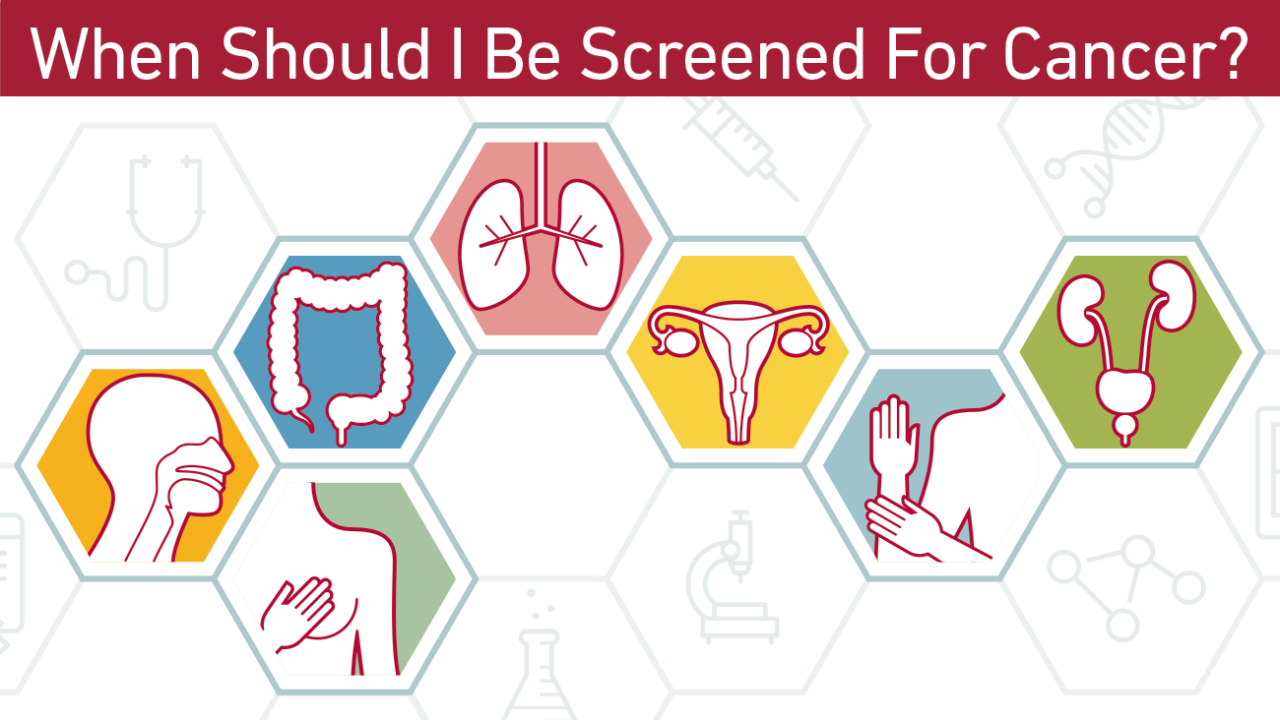
- Cancer screenings: Mammograms, Pap smears, and colonoscopies are essential for early detection of cancer.
Frequency of Health Screenings
- Age and risk factors play a significant role in determining the frequency of health screenings.
- It is recommended to consult with healthcare professionals to create a personalized screening schedule.
- Regular screenings are especially important for individuals with a family history of certain diseases.
Empowering Individuals through Health Screenings
- Health screenings provide individuals with valuable information about their current health status.
- Early detection through screenings can lead to timely interventions and improved health outcomes.
- By staying proactive with screenings, individuals can actively participate in their healthcare and make lifestyle changes if needed.
Vaccination Programs
Vaccination programs play a crucial role in disease prevention by boosting immunity against various infectious diseases. By administering vaccines, individuals can develop protection against specific pathogens, reducing the risk of contracting and spreading illnesses.
Importance of Vaccinations
- Vaccinations help prevent the spread of contagious diseases within communities.
- They protect individuals from serious health complications and potential mortality caused by preventable diseases.
- Vaccines contribute to the concept of herd immunity, safeguarding vulnerable populations who cannot be vaccinated.
- By reducing the prevalence of infectious diseases, vaccinations also lower the burden on healthcare systems and resources.
Role of Vaccination Programs
- Vaccination programs establish immunization schedules to ensure individuals receive vaccines at the recommended ages.
- These programs monitor vaccine coverage rates to track and improve immunity levels in populations.
- Through public health initiatives, vaccination programs educate communities about the importance and safety of vaccines.
- They collaborate with healthcare providers to administer vaccines efficiently and maintain accurate immunization records.
Recommended Vaccination Schedules
- Infants and children should follow the CDC-recommended immunization schedule to protect against diseases like measles, mumps, rubella, and polio.
- Adolescents and adults need vaccines for diseases such as influenza, tetanus, pertussis, and HPV to maintain immunity.
- Special populations, like pregnant women and older adults, may require additional vaccines to safeguard their health.
- Consulting healthcare providers can help individuals determine the appropriate vaccination schedule based on age, health status, and risk factors.
Healthy Habits
Maintaining healthy habits plays a crucial role in preventing diseases and promoting overall well-being. The choices we make in our daily lives can significantly impact our health outcomes, both in the short and long term. By adopting healthy habits, we can support our body’s natural defenses and reduce the risk of developing various health conditions.
Impact of Healthy Habits on Disease Prevention
- Regular exercise can boost the immune system and reduce the risk of chronic diseases such as heart disease, diabetes, and obesity.
- A balanced diet rich in fruits, vegetables, whole grains, and lean proteins can provide essential nutrients to support overall health and prevent nutrient deficiencies.
- Adequate hydration is crucial for maintaining proper bodily functions and supporting the body’s detoxification processes.
Relationship Between Lifestyle Choices and Health Outcomes
- Smoking and excessive alcohol consumption have been linked to an increased risk of various cancers, respiratory diseases, and liver damage.
- Poor sleep habits can negatively impact mental clarity, immune function, and overall well-being.
- Stress management techniques such as meditation, yoga, or deep breathing exercises can help reduce the risk of stress-related health issues.
Tips for Cultivating Healthy Habits
- Set realistic goals and create a routine that includes regular physical activity, nutritious meals, and adequate rest.
- Stay hydrated throughout the day by drinking water and avoiding sugary beverages.
- Practice mindful eating by paying attention to hunger cues and choosing whole, unprocessed foods.
- Prioritize sleep by establishing a bedtime routine and creating a relaxing sleep environment.
Balanced Hormones
Maintaining balanced hormones is crucial for overall well-being and disease prevention. Hormones play a vital role in regulating various bodily functions, including metabolism, immune response, mood, and reproductive health. An imbalance in hormones can lead to a range of health issues, such as weight gain, fatigue, mood swings, and even increased risk of chronic diseases.
Significance of Hormone Balance
Achieving hormone balance is essential for disease prevention as it helps in maintaining optimal health and well-being. Hormones act as chemical messengers in the body, influencing nearly every physiological process. When hormones are imbalanced, it can disrupt the body’s natural equilibrium, leading to a cascade of negative effects on health.
By ensuring that hormones are in balance, individuals can reduce the risk of developing various health conditions and improve their overall quality of life.
Hormone Screenings for Health Risks
Regular hormone screenings can help identify potential health risks early on. These screenings involve measuring the levels of specific hormones in the blood or saliva to assess whether they are within the normal range. By detecting hormonal imbalances early, healthcare providers can intervene and provide appropriate treatment or lifestyle modifications to restore hormone balance and prevent the onset of diseases.
Strategies for Balanced Hormones
There are several strategies individuals can adopt to achieve and maintain balanced hormones for overall well-being. This includes:
- Eating a balanced diet rich in nutrients and avoiding processed foods
- Engaging in regular physical activity to support hormone regulation
- Managing stress through relaxation techniques such as meditation or yoga
- Getting an adequate amount of quality sleep to allow the body to regulate hormones effectively
- Avoiding exposure to endocrine-disrupting chemicals found in certain household products
It is important for individuals to work closely with healthcare providers to monitor hormone levels regularly and make necessary adjustments to their lifestyle to promote hormone balance and prevent potential health risks.
Health Coaching
Health coaching plays a crucial role in supporting disease prevention efforts by providing individuals with personalized guidance and support to make positive lifestyle changes. By working with a health coach, individuals can create tailored wellness plans that focus on their specific needs and goals, ultimately helping them achieve optimal health and well-being.
Benefits of Health Coaching for Personalized Wellness Plans
- Health coaches provide personalized guidance and support based on individual needs and goals.
- They help individuals make sustainable lifestyle changes that promote overall health and well-being.
- Health coaching empowers individuals to take control of their health and make informed decisions about their wellness.
- By working with a health coach, individuals can improve their health outcomes and reduce their risk of chronic diseases.
Success Stories of Individuals Benefiting from Health Coaching
- John, a middle-aged man with high blood pressure, worked with a health coach to adopt a healthier diet and exercise routine. As a result, he was able to lower his blood pressure and reduce his risk of heart disease.
- Sarah, a busy professional struggling with stress and anxiety, found relief through health coaching sessions that focused on mindfulness and stress management techniques. She was able to improve her mental well-being and overall quality of life.
- Mike, a retiree dealing with joint pain and mobility issues, worked with a health coach to develop a personalized exercise plan and improve his joint flexibility. Thanks to his coach’s guidance, he was able to regain mobility and lead a more active lifestyle.
Fitness Goals
Setting fitness goals plays a crucial role in disease prevention as it motivates individuals to engage in regular physical activity, maintain a healthy weight, and adopt a balanced lifestyle. Achieving fitness goals can lead to improved immune function, reduced risk of chronic diseases such as heart disease, diabetes, and obesity, and overall better health outcomes.
Importance of Regular Physical Activity
Regular physical activity is essential for overall health and well-being as it helps in maintaining a healthy weight, strengthening muscles and bones, improving cardiovascular health, enhancing mental health, and boosting energy levels. Engaging in physical activity also helps in reducing stress, anxiety, and depression, leading to a better quality of life.
Tips for Setting and Achieving Fitness Goals
- Set specific, measurable, achievable, relevant, and time-bound (SMART) fitness goals to track progress effectively.
- Start slowly and gradually increase the intensity and duration of your workouts to prevent injuries and burnout.
- Find activities that you enjoy and mix up your routine to stay motivated and prevent boredom.
- Stay consistent with your exercise routine and make it a priority in your daily schedule.
- Seek support from friends, family, or a fitness professional to stay accountable and motivated towards achieving your goals.
Diet Planning
Proper diet planning plays a crucial role in disease prevention by providing the body with essential nutrients to support overall health and immunity. A well-balanced diet can help reduce the risk of various chronic conditions and boost the body’s ability to fight off infections and illnesses.
Here are some tips for creating personalized diet plans to prevent diseases:
Importance of Nutrient-Rich Foods
It is essential to include a variety of nutrient-rich foods in your diet, such as fruits, vegetables, whole grains, lean proteins, and healthy fats. These foods provide vitamins, minerals, antioxidants, and other compounds that support immune function and overall health.
Hydration and Water Intake
Staying hydrated is key to maintaining optimal health and preventing diseases. Make sure to drink an adequate amount of water throughout the day, as dehydration can impact your immune system and overall well-being.
Avoiding Processed Foods and Sugary Drinks
Avoiding processed foods high in sugar, unhealthy fats, and additives can help reduce inflammation and support a healthy immune system. Opt for whole, unprocessed foods whenever possible and limit the intake of sugary drinks.
Balancing Macronutrients
Include a balance of carbohydrates, proteins, and fats in your diet to ensure you are getting all the essential nutrients your body needs. Focus on quality sources of each macronutrient to support your overall health and well-being.
Listening to Your Body
Pay attention to how different foods make you feel and adjust your diet accordingly. Everyone’s nutritional needs are unique, so it’s important to listen to your body and make changes based on how you feel and perform.
Health Supplements
Health supplements play a crucial role in complementing disease prevention strategies by filling nutrient gaps and supporting overall health.
Choosing the Right Supplements
When it comes to selecting the right health supplements for individual needs, it’s essential to consider factors such as age, gender, dietary restrictions, and any existing health conditions. Consulting with a healthcare provider or a nutritionist can help determine the most suitable supplements for your specific requirements.
Breathing Techniques
Breathing techniques play a crucial role in disease prevention and overall health. Proper breathing can have numerous benefits, including reducing stress levels, improving mental clarity, and enhancing the body’s ability to fight off illnesses.
Benefits of Incorporating Breathing Techniques
- Enhanced oxygen supply to the body, promoting better circulation and overall health.
- Stress reduction and relaxation of the mind and body, leading to improved mental well-being.
- Boosted immune system function, helping the body defend against infections and diseases.
- Improved lung capacity and efficiency, supporting respiratory health and preventing respiratory issues.
Different Breathing Exercises for Disease Prevention
- Deep Breathing: Inhale deeply through your nose, expanding your abdomen, then exhale slowly through your mouth, releasing tension and promoting relaxation.
- Diaphragmatic Breathing: Focus on breathing deeply into your diaphragm, allowing your belly to rise as you inhale and fall as you exhale, promoting better oxygen flow and stress relief.
- Alternate Nostril Breathing: Close one nostril with your finger and inhale deeply through the other, then switch nostrils and exhale through the opposite side, balancing energy and calming the mind.
- Box Breathing: Inhale for a count of four, hold for four, exhale for four, and hold for four, repeating the cycle to regulate breathing and reduce stress levels.
Pain Management
Pain management techniques play a crucial role in supporting disease prevention by addressing discomfort and improving overall well-being. Chronic pain, if left unmanaged, can have a significant impact on an individual’s health and quality of life. Therefore, effective pain management strategies are essential in maintaining a healthy lifestyle and preventing potential health complications.
Impact of Chronic Pain
Chronic pain can negatively affect overall health and well-being in various ways. It can lead to sleep disturbances, decreased mobility, mood changes, increased stress levels, and reduced quality of life. Additionally, chronic pain is often associated with conditions such as depression, anxiety, and fatigue, which can further impact an individual’s physical and mental health.
- Chronic pain can weaken the immune system, making individuals more susceptible to illnesses and infections.
- It can hinder daily activities and reduce productivity, affecting both personal and professional life.
- Chronic pain can lead to social isolation and withdrawal from activities, impacting mental health and social relationships.
Tips for Managing Pain Effectively, Screening tests for disease prevention
Effective pain management is essential for disease prevention and overall well-being. Here are some tips for managing pain effectively as part of a disease prevention plan:
- Stay physically active through low-impact exercises such as swimming, walking, or yoga to improve flexibility and reduce pain.
- Practice relaxation techniques such as deep breathing, meditation, or mindfulness to alleviate stress and tension.
- Maintain a healthy diet rich in anti-inflammatory foods such as fruits, vegetables, whole grains, and lean proteins to reduce pain and inflammation.
- Get an adequate amount of sleep to promote healing and reduce pain sensitivity.
- Consider alternative therapies like acupuncture, massage therapy, or chiropractic care to manage pain and improve overall well-being.
Holistic Treatments
Holistic treatments play a crucial role in promoting disease prevention by focusing on the overall well-being of an individual rather than just treating specific symptoms. These approaches take into account the physical, mental, emotional, and spiritual aspects of a person to address health issues comprehensively.
Role in Disease Prevention
Holistic treatments aim to identify and address the root causes of health issues, rather than just managing symptoms. By considering the interconnectedness of the mind, body, and spirit, these approaches help create balance and harmony within the individual, boosting the immune system and enhancing overall health.
This comprehensive approach can lead to a stronger immune response, improved energy levels, and a reduced risk of developing chronic diseases.
- Acupuncture: This traditional Chinese medicine technique involves the insertion of thin needles at specific points on the body to promote the flow of energy and restore balance. Acupuncture has been shown to help with pain management, stress reduction, and improving overall well-being.
- Herbal Medicine: Herbal remedies derived from plants have been used for centuries to support the body’s natural healing processes. Herbs like ginseng, turmeric, and chamomile have anti-inflammatory and antioxidant properties that can boost the immune system and promote overall health.
- Yoga and Meditation: Practices like yoga and meditation focus on calming the mind, reducing stress, and improving mental clarity. These mind-body techniques can enhance relaxation, reduce inflammation, and support the body’s natural healing abilities.
Mental Resilience
Mental resilience plays a crucial role in disease prevention as it helps individuals navigate through various health challenges with a positive mindset and strong coping mechanisms. Building and maintaining mental resilience is essential for optimal health outcomes and overall well-being.
Importance of Mental Resilience in Disease Prevention
Mental resilience is key in disease prevention as it allows individuals to better manage stress, anxiety, and other emotional factors that can impact physical health. By staying mentally strong and adaptable, individuals can face health challenges with a proactive and positive attitude, leading to better overall health outcomes.
Strategies for Building and Maintaining Mental Resilience
- Practice mindfulness and meditation to manage stress and enhance emotional well-being.
- Develop a strong support system of family and friends to lean on during difficult times.
- Stay physically active as exercise has been shown to improve mental resilience and overall mood.
- Engage in activities that bring joy and relaxation, such as hobbies or creative pursuits.
- Seek professional help or counseling when needed to work through emotional challenges and build resilience.
Final Thoughts
In conclusion, screening tests for disease prevention are essential tools that empower individuals to take control of their health. By incorporating regular screenings into their wellness routines, individuals can proactively manage their health and reduce the risk of developing serious conditions.
Stay proactive, stay healthy!
Key Questions Answered
Can screening tests completely prevent diseases?
Screening tests can detect potential issues early on, but they are not foolproof in preventing all diseases. They are essential tools for proactive health management.
How often should one undergo screening tests for disease prevention?
The frequency of screening tests can vary based on individual health factors and risk levels. It’s recommended to consult with a healthcare provider for personalized recommendations.
Are there any specific age groups that should focus more on screening tests?
While screening tests are beneficial for individuals of all ages, certain age groups, such as older adults or those with family history of certain diseases, may benefit from more frequent screenings.