Beginning with Importance of hydration for skin health, the narrative unfolds in a compelling and distinctive manner, drawing readers into a story that promises to be both engaging and uniquely memorable.
Hydration is crucial for maintaining skin health. Not only does it impact the skin’s appearance, but it also plays a vital role in ensuring its overall well-being. Let’s delve into the significance of hydration for skin health and explore how staying hydrated can transform your skin.
Importance of Hydration for Skin Health
Proper hydration is essential for maintaining healthy skin. When your skin is well-hydrated, it looks and feels better, and functions optimally.
How Hydration Impacts Skin Health
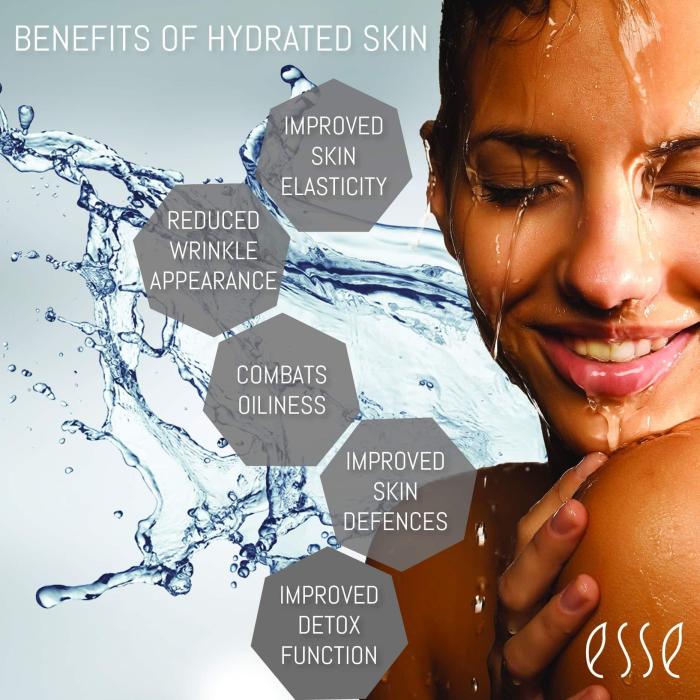
- Hydration helps maintain the skin’s natural barrier function, preventing moisture loss and protecting against external irritants.
- Water is essential for the transport of nutrients to skin cells, promoting cell regeneration and repair.
- Well-hydrated skin appears more plump, youthful, and radiant, reducing the appearance of fine lines and wrinkles.
Benefits of Staying Hydrated for the Skin
- Improved skin elasticity and firmness, leading to a more youthful complexion.
- Reduction in skin inflammation and irritation, helping to soothe conditions like eczema and acne.
- Enhanced skin tone and texture, with a smoother and more even appearance.
Consequences of Dehydration on Skin Health
- Signs of dehydration like dryness, flakiness, and tightness in the skin.
- Increased sensitivity to environmental factors, making the skin more prone to damage and premature aging.
- Diminished skin function, resulting in a dull, lackluster complexion.
Wellness Programs
Wellness programs are designed to improve and maintain the overall health and well-being of individuals. These programs focus on various aspects such as physical fitness, mental health, nutrition, stress management, and more.
It is important to incorporate wellness programs into daily life as they play a crucial role in promoting a healthy lifestyle. These programs not only help in preventing diseases but also improve the quality of life by enhancing physical and mental well-being.
Types of Wellness Programs
- Physical Fitness Programs: These programs focus on activities such as exercise, yoga, or sports to improve cardiovascular health, strength, and flexibility.
- Mental Health Programs: These programs include counseling, mindfulness practices, and stress management techniques to improve mental well-being and reduce anxiety and depression.
- Nutrition Programs: These programs provide education on healthy eating habits, meal planning, and the importance of a balanced diet for overall health.
- Health Screening Programs: These programs involve regular health check-ups, screenings, and assessments to detect any health issues early on and prevent complications.
Herbal Remedies
Herbal remedies have been used for centuries to address various health concerns and promote overall well-being. These natural remedies are derived from plants and herbs, offering a holistic approach to health and wellness.
Popular Herbal Remedies
Herbal remedies come in various forms, from teas and tinctures to capsules and topical treatments. Here are some popular herbal remedies known for their health benefits:
- Mint: Known for its soothing properties, mint is often used to aid digestion and relieve nausea.
- Lavender: Used for its calming effects, lavender is commonly used to promote relaxation and improve sleep quality.
- Echinacea: This herb is believed to boost the immune system and help prevent and treat colds and flu.
Benefits and Risks
While herbal remedies offer natural alternatives to conventional medicine, it is essential to be aware of their benefits and potential risks:
- Benefits:Herbal remedies are often gentler on the body, with fewer side effects compared to synthetic medications. They can also provide additional nutrients and antioxidants to support overall health.
- Risks:Despite their natural origins, herbal remedies can interact with medications or cause allergic reactions in some individuals. It is crucial to consult with a healthcare provider before incorporating herbal remedies into your wellness routine.
Skin Health
Maintaining healthy skin is essential for overall well-being. Factors such as diet, hydration, skincare routines, and environmental influences play a significant role in determining the health of your skin.
Factors Influencing Skin Health
- Poor Diet: Consuming a diet high in processed foods, sugar, and unhealthy fats can lead to skin issues such as acne and premature aging.
- Hydration: Dehydration can result in dry, flaky skin and exacerbate conditions like eczema and psoriasis.
- Skincare Products: Using harsh chemicals or products not suitable for your skin type can cause irritation and damage.
- Sun Exposure: UV rays can accelerate the aging process and increase the risk of skin cancer.
Common Skin Issues and Maintenance
- Acne: Keep your skin clean, avoid touching your face frequently, and use non-comedogenic products.
- Dry Skin: Moisturize regularly, drink plenty of water, and avoid hot showers that can strip the skin of its natural oils.
- Sun Damage: Wear sunscreen daily, seek shade during peak hours, and wear protective clothing.
Skincare Routines for Optimal Skin Health
- Cleanse: Use a gentle cleanser suitable for your skin type to remove dirt, oil, and impurities.
- Exfoliate: Regular exfoliation helps to remove dead skin cells and promote cell turnover.
- Moisturize: Hydrate your skin with a moisturizer that suits your skin’s needs to maintain its elasticity and suppleness.
- Sun Protection: Apply sunscreen with at least SPF 30 daily to protect your skin from harmful UV rays.
Bone Density
Having optimal bone density is crucial for overall health as it helps to support the structure of the body, protect vital organs, and enable mobility.
Factors that can affect bone density include age, gender, genetics, hormonal imbalances, poor nutrition, lack of physical activity, smoking, excessive alcohol consumption, and certain medications.
Tips for Maintaining and Improving Bone Density
- Consume an adequate amount of calcium and vitamin D through diet or supplements to support bone health.
- Engage in weight-bearing exercises such as walking, running, or strength training to promote bone strength and density.
- Avoid smoking and limit alcohol intake as they can negatively impact bone health.
- Ensure a well-balanced diet rich in nutrients essential for bone health, such as magnesium, phosphorus, and vitamin K.
- Get regular check-ups and bone density screenings to monitor your bone health and take necessary actions if needed.
Muscle Mass
Maintaining and increasing muscle mass is crucial for overall health, strength, and mobility. Muscle mass plays a significant role in supporting the skeletal system, improving posture, and enhancing physical performance.
Importance of Muscle Mass
Having adequate muscle mass is essential for maintaining strength and mobility, especially as we age. Strong muscles help support the joints, reduce the risk of injuries, and improve balance and coordination.
Ways to Increase Muscle Mass
1. Resistance Training: Engaging in regular strength training exercises such as weightlifting, bodyweight exercises, and resistance band workouts can help build muscle mass.
2. Protein-Rich Diet: Consuming an adequate amount of protein from sources like lean meats, eggs, dairy, and plant-based sources can support muscle growth and repair.
3. Sufficient Rest and Recovery: Giving the muscles time to rest and recover is crucial for muscle growth. Adequate sleep and proper hydration also play a role in muscle recovery.
Impact of Muscle Mass on Metabolism
Muscle mass has a direct impact on metabolism, as muscle tissue burns more calories at rest compared to fat tissue. Increasing muscle mass can help boost metabolism, making it easier to maintain a healthy weight and prevent obesity-related health issues.
Dental Care
Good dental care is essential for overall health, as the health of our teeth and gums can impact our entire body. Poor oral health can lead to various health issues, including heart disease, diabetes, and respiratory infections.
Common Dental Issues and Prevention, Importance of hydration for skin health
Common dental issues such as cavities, gum disease, and tooth decay can be prevented with proper oral hygiene practices. Brushing teeth at least twice a day, flossing daily, and visiting the dentist regularly for check-ups and cleanings are vital for maintaining healthy teeth and gums.
- Brush teeth at least twice a day with fluoride toothpaste.
- Floss daily to remove plaque and food particles between teeth.
- Avoid sugary and acidic foods that can contribute to tooth decay.
- Visit the dentist for regular check-ups and cleanings to prevent and detect dental issues early.
Tips for Maintaining Healthy Teeth and Gums
In addition to regular dental visits and proper oral hygiene practices, there are other tips to help maintain healthy teeth and gums.
- Avoid smoking and tobacco products, as they can lead to gum disease and oral cancer.
- Limit consumption of sugary and acidic foods and drinks that can erode tooth enamel.
- Drink plenty of water to help rinse away food particles and bacteria that can cause tooth decay.
- Consider using a mouthwash with fluoride to help strengthen teeth and prevent cavities.
Eye Health
Regular eye check-ups are essential for maintaining good vision and overall eye health. By getting your eyes examined regularly, you can detect any potential issues early on and prevent further complications.Common eye conditions such as myopia (nearsightedness), hyperopia (farsightedness), astigmatism, and presbyopia can affect people of all ages.
To protect your eye health, it is important to follow good eye care practices, such as wearing protective eyewear, taking breaks from digital screens, and maintaining a healthy diet rich in nutrients like vitamin A and omega-3 fatty acids.
Tips for Maintaining Good Vision and Eye Health
- Ensure proper lighting when reading or using electronic devices to reduce eye strain.
- Follow the 20-20-20 rule: every 20 minutes, look at something 20 feet away for at least 20 seconds.
- Avoid rubbing your eyes, as this can lead to irritation and potential damage.
- Stay hydrated by drinking an adequate amount of water daily to keep your eyes moist and prevent dryness.
- Eat a balanced diet with foods high in antioxidants, such as leafy greens, carrots, and citrus fruits, to support eye health.
Mental Clarity
Maintaining proper hydration is not only important for physical health but also plays a crucial role in mental clarity. Dehydration can have a significant impact on cognitive function, affecting focus, concentration, and overall mental performance.
Relationship between Hydration and Mental Clarity
Proper hydration is essential for brain function as the brain is made up of about 73% water. When dehydrated, the brain cells lose efficiency in performing tasks, leading to symptoms like brain fog, difficulty concentrating, and memory issues.
- Dehydration can impair short-term memory, focus, and decision-making abilities.
- Even mild dehydration can negatively affect mood and increase feelings of anxiety and fatigue.
- Research has shown that dehydration can lead to decreased cognitive performance and slower reaction times.
Strategies for Improving Mental Clarity through Hydration
Increasing water intake throughout the day is key to maintaining optimal hydration levels for improved mental clarity. Here are some strategies to ensure you stay hydrated for better cognitive function:
- Carry a reusable water bottle with you to remind yourself to drink water regularly.
- Set hydration goals and track your daily water intake using apps or journals.
- Incorporate hydrating foods like fruits and vegetables into your diet.
- Avoid excessive consumption of dehydrating beverages like alcohol and caffeine.
- Listen to your body’s thirst cues and drink water whenever you feel thirsty.
Joint Flexibility
Maintaining good joint flexibility is crucial for overall mobility and preventing injuries. When joints are flexible, it allows for a greater range of motion, making daily movements easier and reducing the risk of stiffness or discomfort.Hydration plays a key role in improving joint flexibility as it helps to lubricate the joints and reduce friction between them.
Dehydration can lead to decreased joint flexibility, making movements more challenging and increasing the likelihood of strain or injury.
Exercises and Stretches to Enhance Joint Flexibility
Regular exercise is essential for maintaining joint flexibility. Incorporating stretching exercises into your routine can help improve flexibility and range of motion in the joints. Some effective stretches include:
- Hamstring Stretch: Sit on the floor with one leg extended and the other bent. Reach towards the extended leg to feel a stretch in the back of the thigh.
- Shoulder Stretch: Bring one arm across your body and use the opposite hand to gently press the arm towards your chest, feeling a stretch in the shoulder.
- Quadriceps Stretch: Stand on one leg and pull the other foot towards your buttocks, feeling a stretch in the front of the thigh.
Regularly performing these stretches, along with staying hydrated, can help improve joint flexibility and maintain overall joint health.
Digestive Health
Hydration plays a crucial role in maintaining a healthy digestive system. Adequate water intake helps in the digestion and absorption of nutrients, as well as in the prevention of various digestive issues.
Role of Hydration in Digestive Health
Hydration is essential for the proper functioning of the digestive system. Water helps in the breakdown of food, the absorption of nutrients, and the elimination of waste products. Without enough water, digestion can slow down, leading to constipation and other digestive problems.
Common Digestive Issues and Hydration
- Constipation: Dehydration can contribute to constipation by making the stool harder and more difficult to pass. Drinking an adequate amount of water can help soften the stool and promote regular bowel movements.
- Acid reflux: Proper hydration can help dilute stomach acid and reduce the symptoms of acid reflux. It can also help in the prevention of ulcers and other digestive disorders.
- Bloating and gas: Drinking water can aid in the digestion process, reducing the likelihood of bloating and gas. It can also help in the prevention of indigestion and stomach discomfort.
Tips for Maintaining a Healthy Digestive System
- Stay hydrated by drinking plenty of water throughout the day.
- Eat a balanced diet rich in fiber, fruits, and vegetables.
- Limit intake of processed foods and sugary beverages.
- Exercise regularly to promote healthy digestion.
- Avoid overeating and practice mindful eating habits.
Detox Process
Hydration plays a crucial role in supporting the body’s detoxification process. By staying hydrated, you help your body flush out toxins and waste products more effectively, which can have a positive impact on your overall health and well-being.
Importance of Hydration During Detox Programs
During detox programs, it is especially important to stay hydrated to support the elimination of toxins from the body. Adequate hydration helps to keep your organs functioning properly and ensures that waste products are efficiently removed.
- Drink plenty of water throughout the day to support the detox process.
- Include hydrating foods such as fruits and vegetables in your diet to boost your hydration levels.
- Avoid sugary drinks and opt for water or herbal teas to stay hydrated without added sugars.
Natural Ways to Support the Body’s Detox Process
There are several natural ways to support your body’s detox process in addition to staying hydrated:
- Include foods rich in antioxidants like berries, leafy greens, and nuts to help protect your cells from damage.
- Engage in regular exercise to promote circulation and sweat out toxins through your skin.
- Practice deep breathing exercises or meditation to reduce stress levels, which can support the body’s detox mechanisms.
Blood Pressure
Proper hydration plays a crucial role in maintaining healthy blood pressure levels. When our bodies are well-hydrated, it helps to support optimal blood circulation and overall cardiovascular health.
Relationship between Hydration and Blood Pressure
Dehydration can have a significant impact on blood pressure levels. When we are dehydrated, blood volume decreases, resulting in the heart having to work harder to pump blood throughout the body. This increased strain on the heart can lead to higher blood pressure readings.
On the other hand, staying well-hydrated helps to ensure that blood volume is adequate, allowing the heart to pump blood more efficiently and maintain healthy blood pressure levels.
Tips for Maintaining Healthy Blood Pressure through Hydration
- Drink an adequate amount of water throughout the day to stay hydrated. Aim for at least 8-10 glasses of water daily.
- Avoid excessive intake of caffeinated and sugary beverages, as they can contribute to dehydration.
- Monitor your urine color – clear or light yellow urine indicates good hydration, while dark yellow urine may signal dehydration.
- Include hydrating foods in your diet, such as fruits and vegetables with high water content.
- Stay mindful of your fluid intake, especially during hot weather or when engaging in physical activity.
Heart Rate
Maintaining proper hydration levels is crucial for overall health, including heart function. Dehydration can have a significant impact on heart rate and overall cardiovascular health.
How Hydration Influences Heart Rate
Proper hydration ensures an adequate blood volume in the body, allowing the heart to pump blood more efficiently. When hydrated, the heart doesn’t have to work as hard to circulate blood, leading to a steady and normal heart rate.
Impact of Dehydration on Heart Rate
Dehydration can lead to a decrease in blood volume, causing the heart to work harder to pump blood throughout the body. This can result in an increase in heart rate as the heart tries to compensate for the lack of fluids.
Strategies for Maintaining a Healthy Heart Rate through Hydration
- Drink an adequate amount of water throughout the day, aiming for at least 8-10 cups.
- Monitor your hydration levels by checking the color of your urine – light yellow to clear indicates proper hydration.
- Avoid excessive consumption of diuretics like caffeine and alcohol, as they can lead to dehydration.
- Include hydrating foods in your diet, such as fruits and vegetables with high water content.
- Listen to your body and drink water when you feel thirsty, as thirst is a sign of dehydration.
Health Screenings
Regular health screenings play a crucial role in maintaining overall health and preventing potential health issues. These screenings help in early detection of health conditions, allowing for timely intervention and treatment.
Common Health Screenings for Different Age Groups
- For Children and Adolescents:
- Regular pediatric check-ups for growth monitoring and vaccinations.
- Vision and hearing screenings in schools.
- For Adults (18-64 years):
- Blood pressure checks.
- Cholesterol screenings.
- Diabetes screenings.
- Colon cancer screenings.
- Mammograms for women.
- Prostate cancer screenings for men.
- For Seniors (65+ years):
- Osteoporosis screenings.
- Regular eye exams for age-related vision changes.
- Cognitive screenings for early detection of dementia.
- Annual flu shots and pneumonia vaccines.
Benefits of Early Detection Through Health Screenings
- Early detection leads to better treatment outcomes and improved prognosis.
- Preventative screenings can help in identifying risk factors and making necessary lifestyle changes.
- Regular screenings can detect silent health issues that may not present symptoms initially.
- Health screenings promote a proactive approach to health management and overall well-being.
Vaccination Programs: Importance Of Hydration For Skin Health
Vaccination programs play a crucial role in public health by preventing the spread of infectious diseases and protecting individuals from serious illnesses. These programs have led to the eradication of diseases like smallpox and the near-elimination of others such as polio.
Types of Vaccines for Different Age Groups
- Infants and young children: Vaccines like the MMR (measles, mumps, and rubella) vaccine and the DTaP (diphtheria, tetanus, and pertussis) vaccine are recommended to protect against common childhood illnesses.
- Adolescents: Vaccines such as the HPV vaccine and the meningococcal vaccine are important for preventing diseases that can affect teenagers and young adults.
- Adults: Vaccines like the flu vaccine and the shingles vaccine are recommended to protect adults from seasonal illnesses and certain infections that become more common with age.
- Elderly: Vaccines such as the pneumonia vaccine and the annual flu shot are crucial for protecting older adults, who may be more susceptible to certain diseases.
Impact of Vaccinations on Disease Prevention
Vaccinations have been shown to significantly reduce the incidence of diseases like measles, polio, and influenza. By creating immunity in individuals, vaccines not only protect those who receive them but also contribute to herd immunity, safeguarding vulnerable populations who cannot be vaccinated.
Healthy Habits
Cultivating healthy habits is essential for overall well-being as it can positively impact various aspects of our health and wellness.
Examples of Daily Habits for Health and Wellness
- Stay hydrated by drinking an adequate amount of water throughout the day.
- Eat a balanced diet rich in fruits, vegetables, lean proteins, and whole grains.
- Engage in regular physical activity, such as walking, jogging, or yoga.
- Get enough sleep to allow your body to rest and recharge.
- Practice stress-reducing techniques like meditation or deep breathing exercises.
Tips for Developing and Maintaining Healthy Habits
- Start small and gradually incorporate new habits into your routine.
- Set specific, achievable goals to track your progress and stay motivated.
- Stay consistent and make healthy choices a priority in your daily life.
- Find support from friends, family, or a health professional to help you stay on track.
- Be patient with yourself and understand that forming new habits takes time and effort.
Balanced Hormones
Hydration plays a crucial role in supporting hormonal balance within the body. Adequate water intake is essential for the proper functioning of various hormones that regulate different bodily processes.
Impact of Hormonal Imbalance on Health
Imbalanced hormones can have a significant impact on overall health and well-being. Hormones are chemical messengers that play a vital role in numerous bodily functions, including metabolism, mood regulation, reproductive health, and immune response.
- Hormonal imbalance can lead to issues such as weight gain, fatigue, mood swings, irregular menstrual cycles, and decreased libido.
- Imbalanced hormones can also contribute to conditions like polycystic ovary syndrome (PCOS), thyroid disorders, and adrenal fatigue.
- Chronic hormonal imbalance may increase the risk of developing conditions like diabetes, cardiovascular disease, and certain types of cancer.
Tips for Promoting Balanced Hormones
Ensuring proper hydration levels and adopting a healthy lifestyle can help promote balanced hormones and support overall well-being.
- Drink an adequate amount of water throughout the day to support hormone production and regulation.
- Incorporate foods rich in essential nutrients, such as fruits, vegetables, whole grains, and lean proteins, into your diet.
- Engage in regular physical activity to help maintain a healthy weight and reduce stress, which can impact hormone levels.
- Get an adequate amount of quality sleep each night to support hormone balance and overall health.
- Manage stress through relaxation techniques, meditation, or yoga to help regulate cortisol levels and promote hormonal harmony.
Health Coaching
Health coaching plays a crucial role in helping individuals achieve their wellness goals by providing personalized guidance and support throughout their health journey. By working with a health coach, individuals can benefit from tailored strategies and accountability to make positive changes in their lifestyle for long-term health and well-being.
Benefits of Health Coaching
- Personalized Support: Health coaches offer individualized guidance based on each person’s unique needs and goals.
- Accountability: Regular check-ins and support from a health coach help individuals stay on track and motivated to make sustainable changes.
- Educational Resources: Health coaches provide valuable information and resources to help individuals make informed decisions about their health.
- Behavioral Changes: Health coaching focuses on modifying behaviors and habits to promote better health outcomes and overall well-being.
- Emotional Support: Health coaches offer encouragement and empower individuals to overcome challenges and obstacles on their wellness journey.
Sustainable Lifestyle Changes with Health Coaching
Health coaching can help individuals make lasting lifestyle changes by:
- Setting Realistic Goals: Health coaches work with individuals to establish achievable goals that align with their health objectives.
- Creating Action Plans: Developing step-by-step action plans helps individuals implement changes gradually and consistently.
- Building Healthy Habits: Health coaches support individuals in adopting and maintaining healthy habits that contribute to overall well-being.
- Monitoring Progress: Regular monitoring and feedback from a health coach allow individuals to track their progress and make adjustments as needed.
- Celebrating Successes: Recognizing and celebrating achievements along the way motivates individuals to continue their health journey with confidence.
Fitness Goals
Setting fitness goals is crucial for staying motivated and focused on your health journey. Whether you aim to lose weight, build muscle, or improve endurance, having clear objectives can help you track progress and stay committed to your fitness routine.
Importance of Setting Fitness Goals
Setting specific, measurable, achievable, relevant, and time-bound (SMART) goals is essential for success in any fitness program. By defining exactly what you want to achieve and when you want to achieve it, you can create a roadmap to follow and hold yourself accountable along the way.
Strategies for Achieving Fitness Goals
- Break down big goals into smaller, manageable steps to prevent overwhelm and track progress more effectively.
- Stay consistent with your exercise routine and make adjustments as needed to keep challenging yourself.
- Find a workout buddy or join a fitness class to stay motivated and accountable.
- Celebrate small victories along the way to maintain motivation and momentum towards your larger goals.
Role of Hydration in Reaching Fitness Goals
Hydration plays a vital role in supporting your fitness goals by helping regulate body temperature, lubricating joints, and delivering nutrients to muscles. Proper hydration can also improve exercise performance, endurance, and recovery, making it easier to achieve your fitness objectives.
Diet Planning
Proper diet planning is crucial for overall health and well-being. It involves making conscious choices about the foods we eat to ensure our bodies receive the necessary nutrients to function optimally.Hydration plays a significant role in diet planning as it affects nutrient absorption, digestion, and overall bodily functions.
Staying properly hydrated helps maintain a healthy metabolism, aids in digestion, and supports nutrient transport throughout the body.
Impact of Hydration on Diet and Nutrition
- Hydration is essential for proper digestion and nutrient absorption. Drinking an adequate amount of water helps break down food and allows nutrients to be absorbed more effectively.
- Dehydration can lead to poor food choices and overeating. Thirst is often mistaken for hunger, leading to unnecessary calorie consumption.
- Water is vital for the transportation of nutrients throughout the body. It helps deliver essential vitamins and minerals to cells, promoting overall health.
Tips for Effective Meal Planning and Hydration Strategies
- Plan your meals in advance to ensure a balanced intake of nutrients. Include a variety of fruits, vegetables, lean proteins, and whole grains in your diet.
- Stay hydrated throughout the day by carrying a water bottle with you and setting reminders to drink water regularly.
- Avoid sugary beverages and opt for water, herbal teas, or infused water for added flavor without the extra calories.
- Listen to your body’s hunger and thirst cues. Sometimes, what we perceive as hunger may actually be thirst, so drink water first before reaching for a snack.
- Consider incorporating hydrating foods like cucumbers, watermelon, and leafy greens into your meals to boost hydration levels.
Health Supplements
Health supplements play a crucial role in supporting overall wellness by providing essential nutrients that may be lacking in our diet.
Types of Health Supplements
- Vitamins and Minerals: These supplements help fill nutritional gaps and support various bodily functions.
- Omega-3 Fatty Acids: Known for their anti-inflammatory properties, omega-3 supplements support heart health and brain function.
- Probiotics: These supplements promote gut health by balancing the good bacteria in the digestive system.
- Herbal Supplements: Derived from plants, herbal supplements offer a natural approach to supporting health and wellness.
Benefits of Health Supplements
- Enhanced Immunity: Certain supplements like vitamin C and zinc can boost the immune system.
- Improved Energy Levels: B vitamins help convert food into energy, keeping you energized throughout the day.
- Support for Specific Health Conditions: Supplements like calcium and vitamin D can help maintain bone health and prevent osteoporosis.
Considerations for Choosing and Incorporating Health Supplements
Before adding any health supplement to your routine, it’s important to consult with a healthcare provider to ensure it’s safe and suitable for you. Consider factors like dosage, quality of the supplement, and possible interactions with medications.
Breathing Techniques
Proper breathing techniques play a crucial role in maintaining overall health and well-being. By ensuring that we breathe correctly, we can improve our respiratory function, reduce stress levels, and enhance our mental clarity.Hydration is also essential for respiratory health, as it helps to keep the mucous membranes in our respiratory tract moist and functioning properly.
Dehydration can lead to dryness in the airways, making it harder for us to breathe efficiently.
Breathing Exercises for Relaxation and Improved Well-being
Practicing breathing exercises can help to relax the mind and body, reduce anxiety, and improve overall well-being. Here are some simple breathing techniques that you can incorporate into your daily routine:
-
Deep Breathing:
Take slow, deep breaths in through your nose, allowing your abdomen to expand. Hold for a few seconds, then exhale slowly through your mouth. Repeat this several times to help calm your mind and body.
-
4-7-8 Technique:
Inhale through your nose for a count of 4, hold your breath for a count of 7, and exhale slowly through your mouth for a count of 8. This technique can help to reduce stress and promote relaxation.
-
Alternate Nostril Breathing:
Close one nostril with your finger and inhale deeply through the other nostril. Then, close the other nostril and exhale through the first nostril. Continue alternating nostrils with each breath to balance your energy and promote relaxation.
Disease Prevention
Ensuring proper hydration is essential for disease prevention as it plays a crucial role in maintaining overall health and well-being.
Hydration for Strengthening the Immune System
Hydration is vital for strengthening the immune system, which is our body’s defense mechanism against infections and diseases. Adequate water intake helps in flushing out toxins from the body, allowing the immune system to function optimally and fight off pathogens.
Tips for Preventing Diseases Through Hydration and Healthy Habits
- Drink plenty of water throughout the day to stay hydrated and support your immune system.
- Include hydrating foods in your diet such as fruits and vegetables with high water content.
- Avoid excessive consumption of sugary and caffeinated beverages that can dehydrate the body.
- Practice good hygiene habits to prevent the spread of germs and reduce the risk of infections.
- Engage in regular physical activity to boost your overall health and immunity.
Pain Management
Proper hydration plays a crucial role in managing pain effectively. Dehydration can worsen pain conditions and hinder the body’s ability to recover.
Relationship Between Hydration and Pain Management
Hydration is essential for maintaining the health of our muscles and joints, which are often sources of pain. When the body is dehydrated, it can lead to muscle cramps, stiffness, and inflammation, all of which contribute to increased pain levels.
Proper hydration helps to lubricate joints, reduce inflammation, and promote optimal muscle function, thereby alleviating pain.
Strategies for Managing Pain Through Hydration and Other Methods
- Drink an adequate amount of water throughout the day to stay hydrated and support overall bodily functions.
- Include hydrating foods in your diet, such as fruits and vegetables with high water content.
- Stay mindful of your fluid intake, especially during physical activity or in hot weather, to prevent dehydration and associated pain.
- Consider incorporating other pain management techniques like gentle exercises, stretching, and stress-reducing activities to complement the benefits of hydration.
Holistic Treatments
Holistic treatments focus on treating the entire person, including physical, mental, emotional, and spiritual aspects, rather than just addressing specific symptoms or diseases. By taking a holistic approach, individuals aim to achieve overall well-being and balance in their health and wellness journey.
Traditional Chinese Medicine (TCM)
- TCM utilizes practices such as acupuncture, herbal medicine, dietary therapy, and mind-body exercises like Tai Chi and Qigong.
- By balancing the body’s energy flow (Qi) and addressing the root cause of health issues, TCM promotes healing and overall wellness.
Ayurveda
- Originating in India, Ayurveda emphasizes the importance of finding harmony between the mind, body, and spirit through personalized diet, herbal remedies, yoga, and meditation.
- It categorizes individuals based on their unique constitution (dosha) and recommends treatments tailored to their specific needs.
Naturopathy
- Naturopathic medicine combines natural therapies, lifestyle modifications, and dietary changes to support the body’s inherent ability to heal itself.
- Practices like nutrition counseling, botanical medicine, hydrotherapy, and detoxification are used to promote wellness and prevent illness.
Mind-Body Therapies
- Techniques such as meditation, mindfulness, hypnotherapy, and biofeedback help individuals reduce stress, manage pain, and improve mental health.
- By addressing the mind-body connection, these therapies can enhance overall well-being and quality of life.
Mental Resilience
Mental resilience plays a crucial role in maintaining overall well-being, as it allows individuals to effectively cope with stress, challenges, and setbacks in life. It involves the ability to bounce back from difficult situations, adapt to change, and maintain a positive outlook.
Impact of Hydration on Mental Resilience
Hydration is essential for supporting cognitive function and mental well-being. Dehydration can negatively impact mood, concentration, and cognitive performance, making it difficult to cope with stress and challenges effectively. Staying hydrated helps to maintain mental clarity, focus, and emotional stability, which are all important aspects of building and sustaining mental resilience.
Tips for Building and Maintaining Mental Resilience
- Adequate Sleep: Prioritize quality sleep to recharge your mind and body, enhancing your ability to cope with stress.
- Healthy Diet: Fuel your body with nutritious foods that support brain function and mental health.
- Regular Exercise: Engage in physical activity to boost mood, reduce stress, and improve overall resilience.
- Stress Management Techniques: Practice mindfulness, deep breathing, or meditation to calm the mind and build resilience against stressors.
- Seek Support: Connect with friends, family, or a mental health professional for guidance and emotional support during challenging times.
Last Word
In conclusion, prioritizing hydration is a simple yet powerful way to enhance the health of your skin. By understanding the importance of keeping your skin well-hydrated, you can unlock a natural radiance that shines from within. Embrace hydration as a cornerstone of your skincare routine and watch your skin thrive.
Detailed FAQs
How does hydration impact skin health?
Hydration is essential for maintaining skin elasticity, preventing dryness, and promoting a healthy skin barrier.
What are the consequences of dehydration on skin health?
Dehydration can lead to dullness, increased sensitivity, accelerated aging, and a higher risk of skin issues.
What are the benefits of staying hydrated for the skin?
Staying hydrated helps in achieving a plump, youthful complexion, improving skin texture, and supporting the skin’s natural functions.