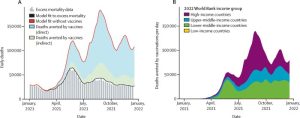
Starting with Impact of COVID-19 vaccination programs on public health, this topic delves into the significance of vaccination programs in safeguarding community well-being and preventing the spread of COVID-19.
As we explore the effectiveness of vaccinations in reducing hospitalizations, building herd immunity, and contributing to overall public health, it becomes evident how crucial these programs are in combating the pandemic.
Impact of COVID-19 vaccination programs on public health
Vaccination programs play a crucial role in preventing the spread of COVID-19 by providing immunity to individuals and reducing the transmission of the virus within communities. The effectiveness of vaccination in combating the virus has been evident in the significant reduction in hospitalizations and deaths among vaccinated individuals compared to those who are unvaccinated.
Reducing Hospitalizations and Deaths
Vaccination has shown to be highly effective in reducing the severity of COVID-19 symptoms, thereby lowering the number of hospitalizations and deaths associated with the virus. Studies have consistently demonstrated that vaccinated individuals are less likely to experience severe illness or require hospitalization, ultimately saving lives and reducing the burden on healthcare systems.
Building Herd Immunity
Vaccination programs contribute to the development of herd immunity within communities, where a sufficient proportion of the population is immune to the virus, making it harder for the virus to spread. By increasing vaccination coverage, communities can protect those who are unable to receive the vaccine due to medical reasons or age, creating a shield of protection that benefits the entire population.
Overall Well-being of the Public
The implementation of widespread vaccination programs not only helps in controlling the spread of COVID-19 but also has broader implications for the overall well-being of the public. By reducing the impact of the pandemic, vaccination programs enable societies to resume normal activities, support economic recovery, and alleviate the mental and emotional toll of prolonged public health crises.
Wellness Programs
Wellness programs play a crucial role in complementing COVID-19 vaccination efforts by focusing on promoting overall health and well-being. These programs encompass various initiatives aimed at improving physical, mental, and emotional health, which are essential during a pandemic.
Examples of Wellness Programs
- Yoga and meditation classes to reduce stress and anxiety.
- Nutrition workshops to educate individuals on maintaining a healthy diet.
- Virtual fitness sessions to encourage regular physical activity.
How Wellness Programs Support Public Health Initiatives
Wellness programs can support public health initiatives during a pandemic by fostering healthy behaviors, boosting immune systems, and reducing the risk of chronic diseases. These programs also promote social connectedness and emotional well-being, which are crucial for overall health.
Importance of Mental Health Components in Wellness Programs
-
Mental health components in wellness programs help individuals cope with stress, anxiety, and isolation, which have been heightened during the pandemic.
- Providing mental health support through counseling services, mindfulness practices, and peer support groups can enhance resilience and well-being.
Role of Physical Activity in Promoting Overall Wellness
- Regular physical activity is vital for maintaining a healthy immune system and reducing the risk of chronic illnesses.
- Engaging in physical activity can also improve mood, boost energy levels, and enhance overall quality of life.
Herbal Remedies
Herbal remedies have long been used as a natural way to support the immune system and overall health. In the context of COVID-19 vaccination programs, the role of herbal remedies in boosting immunity and potentially aiding in the prevention of viral infections has garnered attention.
Relationship between Herbal Remedies and Immune System Support
Herbal remedies are known to contain various active compounds that can help strengthen the immune system. Ingredients like echinacea, elderberry, and ginger have been traditionally used to support the body’s defense mechanisms against pathogens.
Benefits of Incorporating Herbal Remedies Alongside Vaccination Programs
By incorporating herbal remedies alongside vaccination programs, individuals may benefit from an additional layer of immune support. While vaccines work by triggering the immune system to produce an immune response, herbal remedies can provide supplementary support to help the body combat infections.
- Herbal remedies can offer natural antioxidant and anti-inflammatory properties that may help reduce the severity of symptoms in case of infection.
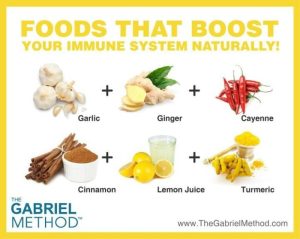
- Some herbs like garlic and turmeric have antimicrobial properties that can help fight off pathogens.
- Using herbal remedies can also promote overall wellness and balance within the body, contributing to better immune function.
Comparison between Traditional Herbal Remedies and Modern Medical Practices for COVID-19 Prevention
Traditional herbal remedies and modern medical practices both play a role in COVID-19 prevention, but they operate in different ways. Vaccines provide targeted immunity against specific pathogens, while herbal remedies offer a holistic approach to supporting overall health and immune function.
Safety and Efficacy of Herbal Remedies in Combating Viral Infections
The safety and efficacy of herbal remedies in combating viral infections vary depending on the herb and its preparation. While some herbal remedies have shown potential in supporting immune health and reducing the risk of infections, it is essential to consult with healthcare professionals before incorporating them into your routine, especially if you have underlying health conditions or are taking medications that may interact with herbs.
- Research on specific herbs like astragalus, licorice root, and ginseng has shown promising results in enhancing immune function and combating viral infections.
- However, it is crucial to use herbal remedies responsibly and follow recommended dosages to avoid adverse effects.
- Herbal remedies should complement, not replace, conventional medical treatments, including vaccination, in the context of viral infections like COVID-19.
Skin Health
Vaccination programs play a significant role in impacting the overall health of individuals, including their skin health. The immune response triggered by vaccines can have both positive and negative effects on the skin.
Potential Side Effects on Skin Conditions
- Vaccinations may sometimes cause mild skin reactions such as redness, swelling, or soreness at the injection site. These are usually temporary and resolve on their own.
- In rare cases, individuals may experience more severe skin reactions like hives, rash, or blistering. It is important to consult a healthcare provider if such reactions occur.
- Some vaccines, like the smallpox vaccine, can lead to a skin condition called eczema vaccinatum in susceptible individuals.
Tips for Maintaining Healthy Skin Post-Vaccination
- Stay hydrated by drinking plenty of water to keep your skin moisturized and healthy.
- Follow a gentle skincare routine to cleanse and moisturize your skin regularly.
- Avoid scratching or picking at any skin reactions that may occur post-vaccination to prevent infection.
- Eat a balanced diet rich in vitamins and antioxidants to support skin health and overall immunity.
Correlation Between Vaccination Status and Skin Immunity
Vaccination status can impact skin immunity by boosting the body’s ability to fight off infections and diseases, including those that affect the skin. By building immunity through vaccines, individuals can potentially reduce the risk of developing skin conditions caused by infectious agents.
Bone Density
The impact of COVID-19 vaccination programs on bone density is a topic of interest as we explore the broader effects of these initiatives on public health. Vaccination programs, while essential in combating the spread of the virus, may have implications for bone health that need to be considered.When it comes to bone density, vaccination programs can influence individuals of all age groups differently.
Older adults, who may already be at risk of osteoporosis or other bone-related conditions, could potentially experience changes in bone density post-vaccination. On the other hand, younger individuals may not see as significant impacts on bone health but should still be mindful of maintaining optimal bone density during the pandemic.To ensure optimal bone density during a pandemic, it is crucial to focus on strategies that promote overall bone health.
This includes regular exercise, a balanced diet rich in calcium and vitamin D, and avoiding factors that can contribute to bone loss. Additionally, staying active and maintaining a healthy lifestyle can help mitigate any potential negative effects on bone density that may arise from vaccination programs.Analyzing the relationship between vaccination status and bone-related conditions is essential for understanding the broader implications of COVID-19 vaccination on bone health.
Monitoring bone density levels in individuals who have been vaccinated can provide valuable insights into any potential changes or risks associated with vaccination programs.
Impact on Older Adults
As individuals age, they naturally experience a decrease in bone density, making them more susceptible to fractures and osteoporosis. COVID-19 vaccination programs may further impact bone health in older adults, especially if they are already at risk of bone-related conditions.
It is essential for healthcare providers to closely monitor bone density levels in this population post-vaccination to ensure early intervention if needed.
Maintaining Optimal Bone Density
To maintain optimal bone density during a pandemic, individuals should focus on incorporating bone-healthy habits into their daily routine. This includes engaging in weight-bearing exercises, consuming a diet rich in calcium and vitamin D, and avoiding smoking and excessive alcohol consumption.
By prioritizing bone health, individuals can mitigate the potential impacts of vaccination programs on bone density.
Muscle Mass
The impact of COVID-19 vaccination programs on muscle mass is a topic of interest due to the potential effects of the vaccine on muscle health. Vaccination may have implications for muscle strength and recovery, which are crucial for overall physical well-being.
Effect on Muscle Strength
- Some individuals may experience mild muscle soreness or fatigue as a side effect of the COVID-19 vaccine. This temporary discomfort should not significantly impact muscle strength in the long term.
- It is important to stay hydrated, maintain a balanced diet, and get adequate rest to support muscle recovery post-vaccination.
Exercise Routines for Muscle Health
- Engaging in regular strength training exercises, such as weightlifting or bodyweight exercises, can help maintain and improve muscle mass.
- Incorporating flexibility and mobility exercises into your routine can help prevent muscle stiffness and enhance overall muscle function.
- Consulting with a fitness professional or physical therapist can provide personalized exercise recommendations based on individual health and fitness goals.
Connection to Muscle-Related Issues
- Research is ongoing to understand the potential links between vaccination status and muscle-related issues, such as myalgia or muscle inflammation.
- Individuals experiencing persistent muscle pain or weakness post-vaccination should consult with a healthcare provider to address any concerns and explore appropriate treatment options.
Dental Care: Impact Of COVID-19 Vaccination Programs On Public Health
The relationship between COVID-19 vaccination and dental health is an important aspect to consider in public health. Maintaining good oral hygiene is crucial, especially during vaccination programs, as it can impact overall health outcomes. Here are some tips for taking care of your dental health while following vaccination schedules:
Importance of Oral Hygiene
- Brush your teeth at least twice a day and floss regularly to prevent plaque buildup and maintain healthy gums.
- Stay hydrated and avoid sugary drinks or snacks that can contribute to tooth decay.
- Visit your dentist for regular check-ups and cleanings to detect any issues early on.
Effects of Vaccination on Oral Health
Vaccination programs can have indirect effects on oral health outcomes. For example, individuals who are vaccinated against COVID-19 may experience side effects such as dry mouth or changes in taste, which can affect oral health. It’s important to stay vigilant and address any dental concerns that may arise during or after vaccination.
Eye Health
The impact of COVID-19 vaccination programs on eye health is a crucial aspect to consider in public health discussions. Vaccination can have indirect effects on eye health due to the overall improvement in public health and the prevention of severe COVID-19 cases that could lead to complications affecting the eyes.
It is important to understand how vaccination programs may influence vision and eye conditions and to provide recommendations for maintaining optimal eye health during a pandemic.
Effects of Vaccination on Eye Health
Vaccination programs can indirectly impact eye health by reducing the risk of severe COVID-19 cases that could lead to complications affecting the eyes. For example, COVID-19 patients with severe symptoms may experience inflammation of the eyes, which can lead to vision problems and other eye conditions.
By reducing the overall spread of the virus through vaccination, the risk of such complications can be minimized.
Recommendations for Optimal Eye Health
- Maintain good hygiene practices, such as washing hands frequently and avoiding touching the eyes with unwashed hands.
- Follow a healthy diet rich in nutrients that support eye health, such as vitamin A, C, and E.
- Take breaks from screen time to reduce eye strain and prevent digital eye fatigue.
- Get regular eye check-ups to monitor any changes in vision or eye health.
Correlation Between Vaccination Status and Eye Conditions
Studies have shown that vaccination status may be correlated with a lower risk of developing certain eye conditions that can be triggered by viral infections. By reducing the risk of severe COVID-19 cases through vaccination, individuals may also lower their chances of experiencing eye-related complications associated with the virus.
Mental Clarity
COVID-19 vaccination plays a crucial role in promoting mental clarity and cognitive function. By reducing the risk of severe illness and hospitalization, vaccines can help individuals maintain focus and mental acuity during the pandemic.
Relationship between COVID-19 vaccination and mental clarity
Receiving the COVID-19 vaccine can alleviate anxiety and stress related to the virus, allowing individuals to think more clearly and make informed decisions. The sense of protection provided by vaccination can contribute to improved mental well-being and overall cognitive function.
Influence of vaccination programs on cognitive function
Vaccination programs can positively influence cognitive function by reducing the burden of illness and preventing long-term complications associated with COVID-19. Enhanced physical health resulting from vaccination can also support mental clarity and focus.
Strategies for enhancing mental clarity post-vaccination
- Prioritize self-care activities such as exercise, meditation, and adequate sleep to support mental well-being.
- Engage in activities that stimulate the mind, such as puzzles, reading, or learning new skills.
- Stay connected with loved ones and seek professional support if experiencing mental health challenges.
Connection between vaccination status and mental well-being
Individuals who are fully vaccinated may experience a sense of relief and security, leading to improved mental well-being and reduced stress levels. Knowing that they are protected against severe illness can positively impact their overall mental clarity and focus.
Joint Flexibility
COVID-19 vaccination programs have had a significant impact on joint flexibility in individuals. As people receive their vaccinations, there may be various effects on joint health and mobility that can influence overall physical well-being. It is crucial to understand these implications and take proactive measures to maintain or improve joint flexibility post-vaccination.
Exercises and Stretches for Improved Joint Flexibility
- Regular stretching exercises can help increase flexibility in joints such as the shoulders, hips, and knees. These exercises can include shoulder rolls, hip flexor stretches, and quad stretches.
- Yoga poses like downward dog, child’s pose, and pigeon pose can also be beneficial for enhancing joint mobility and flexibility.
- Strength training exercises focusing on the muscles surrounding the joints can help provide support and stability, contributing to improved flexibility.
Correlation Between Vaccination Status and Joint Health
Vaccination status may play a role in the development or exacerbation of joint-related conditions such as arthritis or inflammation. It is important for individuals to stay active, maintain a healthy weight, and follow a balanced diet to support joint health, regardless of vaccination status.
Digestive Health
The impact of COVID-19 vaccination programs on digestive health is a topic of interest due to the potential effects of vaccinations on the digestive system. It is essential to understand how vaccination status can relate to digestive issues and what dietary recommendations can support digestive health during this time.
Effects on Digestive Health
Vaccinations can sometimes lead to mild gastrointestinal symptoms such as nausea, diarrhea, or abdominal discomfort. These side effects are usually temporary and resolve on their own as the body builds immunity. However, in some cases, individuals may experience more severe digestive issues post-vaccination, which should be monitored and reported to healthcare providers.
Dietary Recommendations
To support digestive health during vaccination, individuals can focus on consuming a well-balanced diet rich in fiber, probiotics, and hydration. Foods like fruits, vegetables, whole grains, yogurt, and plenty of water can help maintain a healthy gut and alleviate any potential digestive discomfort.
It is important to avoid foods that may trigger digestive issues or exacerbate symptoms during this time.
Relationship between Vaccination Status and Digestive Issues
Research suggests that there may be a link between vaccination status and the development or exacerbation of certain digestive conditions. Some studies have indicated that vaccinations could potentially impact the gut microbiome, leading to changes in digestive health. It is crucial for healthcare professionals to monitor and address any digestive symptoms that arise post-vaccination to ensure overall well-being.
Detox Process
Detoxification is a crucial process that helps the body eliminate toxins and waste, promoting overall health and well-being. In the context of COVID-19 vaccination programs, understanding how vaccinations may impact the body’s detox processes is essential.
Influence of Vaccination Programs on Detox Processes
Vaccinations work by stimulating the immune system to produce an immune response against specific pathogens. This immune response can sometimes result in the release of toxins as the body eliminates the targeted pathogens. While this process is necessary for building immunity, it can also put additional strain on the body’s detoxification pathways.
- Vaccinations may temporarily increase the body’s toxic load, requiring extra support for the detox organs such as the liver, kidneys, and lymphatic system.
- The inflammatory response triggered by vaccines can also impact detox processes, as inflammation is closely linked to the body’s ability to eliminate toxins.
- Supporting the body’s detox pathways post-vaccination through hydration, healthy diet, and targeted supplements can help optimize the detox process and reduce potential side effects.
Natural Ways to Support Detoxification Post-Vaccination
After receiving a vaccination, it’s important to support the body’s detox processes to minimize any adverse effects and aid recovery. Here are some natural ways to promote detoxification post-vaccination:
- Stay hydrated by drinking plenty of water to help flush out toxins and support kidney function.
- Eat a nutrient-dense diet rich in fruits, vegetables, and whole grains to provide essential vitamins and minerals for detox pathways.
- Engage in regular exercise to promote circulation and lymphatic flow, aiding in toxin removal.
- Consider incorporating detoxifying herbs and supplements such as milk thistle, dandelion root, and glutathione to support liver function.
Effects of Vaccination on Detox Process and Overall Health
While vaccinations play a crucial role in protecting against infectious diseases, it’s important to be mindful of their potential impacts on the body’s detox processes. Understanding how vaccinations may influence detoxification can help individuals take proactive steps to support their overall health and well-being.
- Monitoring and supporting the body’s detox pathways post-vaccination can help reduce the risk of adverse reactions and optimize immune response.
- By promoting detoxification through lifestyle choices and natural remedies, individuals can enhance their body’s ability to eliminate toxins and maintain optimal health.
- Consulting with a healthcare provider or holistic practitioner can provide personalized guidance on supporting detox processes before and after vaccination.
Blood Pressure
The impact of COVID-19 vaccination programs on blood pressure levels is a crucial aspect to consider when evaluating public health outcomes. Understanding how vaccination can affect blood pressure regulation and identifying lifestyle modifications to manage blood pressure during vaccination are essential for overall well-being.
Let’s delve deeper into the relationship between COVID-19 vaccination and blood pressure.
Relationship between COVID-19 Vaccination and Blood Pressure Levels
- COVID-19 vaccination can potentially lead to temporary fluctuations in blood pressure levels in some individuals.
- Studies have shown that certain individuals may experience a slight increase in blood pressure following vaccination, which is often a short-term response to the immune system activation.
- It is important for individuals with pre-existing hypertension or cardiovascular conditions to monitor their blood pressure closely before and after vaccination.
Impact of Vaccination Programs on Blood Pressure Regulation
- Vaccination programs play a significant role in promoting overall health and well-being, which can indirectly impact blood pressure regulation.
- By reducing the risk of severe COVID-19 infection through vaccination, individuals may experience lower levels of stress and anxiety, which can have a positive effect on blood pressure.
- Improved overall health and immunity from vaccination can contribute to better cardiovascular health and potentially lower blood pressure levels in the long run.
Lifestyle Modifications to Manage Blood Pressure during Vaccination
- Stay hydrated and maintain a balanced diet rich in fruits, vegetables, and whole grains to support overall cardiovascular health.
- Engage in regular physical activity and manage stress through relaxation techniques such as deep breathing or meditation.
- Avoid excessive consumption of alcohol and limit intake of sodium and processed foods to help regulate blood pressure levels.
Correlation between Vaccination Status and Blood Pressure Fluctuations
- Monitoring blood pressure levels before and after vaccination can help identify any potential fluctuations that may occur as a response to the vaccine.
- Individuals with a history of blood pressure issues should communicate with their healthcare provider about any concerns regarding vaccination and blood pressure management.
- Overall, maintaining a healthy lifestyle and staying informed about vaccination guidelines can contribute to better blood pressure regulation and overall well-being.
Heart Rate
The impact of COVID-19 vaccination on heart rate is a topic of interest as vaccination programs continue to roll out globally. Understanding how vaccination can influence heart rate and heart rate variability is crucial for monitoring the health effects post-vaccination.
Effects of COVID-19 Vaccination on Heart Rate
- Vaccination programs may lead to temporary increases in heart rate as the body mounts an immune response.
- Some individuals may experience changes in heart rate variability post-vaccination, which can be monitored for any abnormal patterns.
- It is important to note that these changes are usually transient and resolve on their own.
Tips for Monitoring Heart Rate Changes Post-Vaccination
- Use a reliable heart rate monitor to track any fluctuations in heart rate after receiving the COVID-19 vaccine.
- Consult with a healthcare provider if you notice persistent or concerning changes in your heart rate.
- Stay hydrated and practice stress-reducing techniques to support overall heart health during the vaccination period.
Connection Between Vaccination Status and Heart Rate Patterns
- Research is ongoing to determine if there is a direct correlation between vaccination status and long-term heart rate patterns.
- Preliminary studies suggest that the temporary changes in heart rate post-vaccination do not have a significant impact on overall heart health.
- Individuals with pre-existing heart conditions should consult their healthcare provider for personalized guidance on monitoring heart rate after vaccination.
Health Screenings
Health screenings play a crucial role in the overall effectiveness of vaccination programs, especially in the context of COVID-19. These screenings help identify underlying health conditions, assess risk factors, and monitor the impact of vaccinations on individuals’ health.
Importance of Health Screenings
Regular health screenings are essential to detect any potential health issues before they escalate, allowing for timely intervention and treatment. In the case of vaccination programs, screenings help ensure that individuals are in optimal health condition to receive the vaccine and monitor any adverse reactions post-vaccination.
- Examples of screenings recommended before vaccination:
- Blood tests to check for immunity levels
- Physical examinations to assess overall health
- Screening for chronic conditions like diabetes or heart disease
- Examples of screenings recommended after vaccination:
- Monitoring for vaccine side effects
- Regular check-ups to assess vaccine efficacy
- Testing for antibodies post-vaccination
Impact of Vaccination on Health Screenings
Vaccination programs can lead to changes in the frequency and results of health screenings. With successful vaccination efforts, the risk of certain infectious diseases may decrease, leading to a shift in focus towards other health concerns. Additionally, vaccinations can impact the immune response and antibody levels in individuals, influencing the interpretation of screening results.
Vaccination Programs
Vaccination programs for COVID-19 have been crucial in the fight against the pandemic, aiming to achieve widespread immunity and reduce transmission rates within communities. These programs involve the distribution and administration of vaccines to target populations, following specific guidelines and protocols.
Types of Vaccination Programs, Impact of COVID-19 vaccination programs on public health
- Mass Vaccination Campaigns: Organized events in large venues to vaccinate a significant number of people efficiently.
- Mobile Vaccination Units: Bringing vaccines directly to underserved or remote areas to ensure accessibility.
- Drive-through Vaccination Sites: Offering convenience and safety by administering vaccines to individuals in their vehicles.
- Pharmacy and Healthcare Provider Vaccination: Utilizing pharmacies and healthcare facilities to reach the general population.
Distribution and Administration of Vaccines
- Vaccines are distributed to various vaccination sites based on population density and risk factors.
- Healthcare workers and volunteers play a crucial role in administering vaccines and monitoring recipients for any adverse reactions.
- Efforts are made to ensure equitable distribution to vulnerable populations and communities with limited access to healthcare services.
Challenges and Successes of Vaccination Campaigns
- Challenges: Vaccine hesitancy, logistics of cold chain storage, misinformation, and inequitable access to vaccines.
- Successes: High vaccination rates leading to decreased cases, hospitalizations, and mortality rates in vaccinated populations.
- Collaboration between government agencies, healthcare providers, and community organizations has been key to successful vaccination campaigns.
Long-Term Implications of COVID-19 Vaccination Programs
- Building immunity within the population can lead to herd immunity, reducing the overall spread of the virus.
- Continued monitoring of vaccine efficacy and safety is essential for long-term public health outcomes.
- Lessons learned from COVID-19 vaccination programs can inform future pandemic preparedness and response strategies.
Healthy Habits
Adopting healthy habits alongside COVID-19 vaccination is crucial for overall well-being and maximizing the effectiveness of the vaccine. Lifestyle choices play a significant role in maintaining a strong immune system and promoting overall health. Here are some tips for maintaining healthy habits during and after vaccination, as well as the synergy between vaccination programs and healthy lifestyle practices.
Importance of Healthy Habits
Healthy habits such as regular exercise, balanced diet, and adequate sleep are essential for supporting the immune system and enhancing the body’s response to vaccines. By incorporating these habits into daily routines, individuals can improve their overall health and well-being, leading to better outcomes post-vaccination.
Lifestyle Choices and Vaccine Effectiveness
Unhealthy lifestyle choices such as smoking, excessive alcohol consumption, and poor nutrition can weaken the immune system and reduce the effectiveness of vaccines. It is important to prioritize healthy habits to ensure that the body is in optimal condition to respond to the vaccine and build immunity effectively.
Tips for Maintaining Healthy Habits
- Aim for at least 30 minutes of moderate exercise daily to boost immunity.
- Eat a balanced diet rich in fruits, vegetables, whole grains, and lean proteins to provide essential nutrients for the body.
- Stay hydrated by drinking plenty of water throughout the day to support overall health.
- Get an adequate amount of sleep each night to allow the body to rest and recover.
- Avoid smoking and limit alcohol intake to protect the immune system and promote vaccine efficacy.
Synergy between Vaccination Programs and Healthy Lifestyle
When vaccination programs are combined with healthy lifestyle practices, individuals can experience enhanced protection against diseases and infections. Vaccines work more effectively in bodies that are well-nourished, physically active, and well-rested. By maintaining healthy habits, individuals can support the immune system and optimize the benefits of vaccination.
Balanced Hormones
Maintaining balanced hormones is crucial for supporting the immune response to vaccination. Hormones play a significant role in regulating the body’s immune system and can impact how well vaccines work and the likelihood of experiencing side effects.
Role of Hormonal Balance in Vaccine Efficacy
Balanced hormones help ensure that the immune system functions optimally, allowing the body to mount a robust response to vaccines. Hormonal imbalances, such as low levels of estrogen or testosterone, can weaken the immune system’s ability to generate a strong response to vaccination, potentially reducing its effectiveness.
Impact of Hormonal Balance on Vaccine Side Effects
Fluctuations in hormone levels can also influence the occurrence and severity of vaccine side effects. For example, women may experience more pronounced side effects during certain phases of their menstrual cycle due to hormonal changes. Maintaining hormonal balance can help mitigate the risk of adverse reactions to vaccines.
Recommendations for Optimizing Hormone Levels During Vaccination
To optimize hormone levels during vaccination, individuals can focus on maintaining a healthy lifestyle that includes regular exercise, adequate sleep, stress management, and a balanced diet. Consulting with a healthcare provider or endocrinologist can also help identify and address any hormonal imbalances that may affect vaccine response.
Interplay Between Vaccination Status and Hormonal Health
The relationship between vaccination status and hormonal health is complex and multifaceted. Vaccines can influence hormone levels in the body, while hormonal imbalances can impact the efficacy of vaccines. It is essential to consider both factors when assessing overall health and wellness.
Health Coaching
Health coaching plays a crucial role in enhancing COVID-19 vaccination outcomes by providing guidance and support to individuals before and after vaccination. Coaches can offer personalized strategies to help individuals navigate the vaccination process, address concerns, and promote overall health and well-being.
Benefits of Health Coaching in Vaccination Programs
- Health coaches can help individuals understand the importance of vaccination and address any concerns or misconceptions they may have.
- Coaches can provide tailored strategies to support individuals in maintaining a healthy lifestyle that complements the vaccination process.
- By offering ongoing support and motivation, health coaches can improve adherence to vaccination schedules and promote better overall health outcomes.
Examples of Coaching Strategies for Vaccination Programs
- Developing personalized vaccination schedules based on individual health needs and preferences.
- Providing education on the benefits and potential side effects of vaccines to help individuals make informed decisions.
- Offering emotional support and guidance to address anxiety or fear related to vaccination.
Impact of Health Coaching on Post-Vaccination Adherence
- Studies have shown that individuals who receive health coaching are more likely to adhere to vaccination schedules and follow recommended health guidelines.
- Health coaching can lead to improved health outcomes post-vaccination, including reduced risk of infection and better overall well-being.
- By empowering individuals to take control of their health, health coaching can contribute to a more successful vaccination program and a healthier community.
Fitness Goals
COVID-19 vaccination programs play a crucial role in impacting fitness goals by ensuring individuals can maintain their physical health and well-being.
Impact on Physical Performance
- Being vaccinated can help individuals recover faster from workouts and prevent potential setbacks due to illness.
- Vaccination status can contribute to overall immune system health, allowing for consistent training and better performance.
- Reduced risk of infection post-vaccination enables individuals to stay on track with their fitness routines without interruptions.
Exercise Routines to Support Fitness Goals
- Cardiovascular exercises like running, cycling, or swimming can help improve heart health and endurance post-vaccination.
- Strength training routines focusing on different muscle groups can enhance overall strength and support fitness goals.
- Incorporating flexibility exercises like yoga or stretching can aid in preventing injuries and improving mobility.
Connection to Achieving Fitness Milestones
- By staying consistent with vaccination programs, individuals can maintain their fitness routines and work towards reaching their goals.
- Improved immune response post-vaccination allows for more intense workouts and faster recovery times, aiding in achieving fitness milestones.
- Regular vaccinations can help in reducing the risk of illness or infections, ensuring individuals can stay committed to their fitness journey.
Diet Planning
When it comes to COVID-19 vaccination, diet planning plays a crucial role in enhancing the effectiveness of the vaccine and supporting overall immunity. A well-balanced diet can provide essential nutrients that are vital for the body’s immune response and can help optimize the benefits of vaccination.
Significance of Nutrition in Vaccine Effectiveness
Nutrition plays a key role in influencing vaccine effectiveness by ensuring that the body has all the necessary nutrients to mount a robust immune response. Adequate intake of vitamins, minerals, and antioxidants can help strengthen the immune system, making it more responsive to the vaccine and increasing the likelihood of developing immunity.
- Include a variety of fruits and vegetables rich in vitamin C, vitamin D, zinc, and antioxidants to support immune function.
- Ensure adequate protein intake to help build antibodies and support immune cell function.
- Incorporate whole grains, healthy fats, and probiotics to maintain gut health, which is closely linked to immune function.
Dietary Guidelines for Optimal Vaccination Benefits
To optimize the benefits of vaccination, it is essential to follow certain dietary guidelines that can support the immune system and overall health outcomes post-vaccination.
Stay hydrated by drinking plenty of water and avoiding excessive intake of sugary beverages.
- Avoid processed foods, sugary snacks, and excessive alcohol consumption, as they can weaken the immune system and hinder vaccine response.
- Focus on a nutrient-dense diet that includes a variety of foods from all food groups to ensure adequate intake of essential nutrients.
- Limit intake of unhealthy fats and sugars, which can contribute to inflammation and compromise immune function.
Role of Diet in Supporting Overall Health Post-Vaccination
After receiving the COVID-19 vaccine, maintaining a healthy diet is crucial for supporting overall health outcomes and maximizing the immune response.
- Continue to prioritize nutrient-rich foods to support immune function and recovery after vaccination.
- Include foods that are rich in antioxidants, such as berries, nuts, and leafy greens, to help reduce inflammation and support overall health.
- Stay consistent with healthy eating habits to maintain a strong immune system and promote long-term health benefits.
Health Supplements
Health supplements play a vital role in supporting overall health and wellness, especially during the COVID-19 pandemic. When used in conjunction with COVID-19 vaccination, supplements can potentially enhance the immune response to vaccines, leading to better protection against the virus.
It is essential to understand the benefits of supplementation and how it can positively impact vaccination outcomes and overall health.
Benefits of Health Supplements
- Supplements containing vitamin C, vitamin D, zinc, and probiotics can help boost the immune system and improve vaccine effectiveness.
- Omega-3 fatty acids and antioxidants like vitamin E can reduce inflammation and support the body’s recovery after vaccination.
- Herbal supplements such as echinacea and elderberry may provide additional immune-boosting benefits.
Recommendations for Safe Supplement Usage
- Consult with a healthcare provider or a registered dietitian before starting any new supplement regimen, especially during vaccination.
- Avoid mega-dosing or consuming excessive amounts of supplements, as it can have adverse effects on health.
- Choose high-quality supplements from reputable brands to ensure purity and potency.
Impact of Supplementation on Vaccination Outcomes
- Studies suggest that individuals with adequate levels of key nutrients may have a more robust immune response to vaccines.
- Proper supplementation can potentially reduce the risk of vaccine side effects and enhance overall vaccine efficacy.
- Long-term use of certain supplements may contribute to better immune function and overall health, leading to improved vaccination outcomes.
Breathing Techniques
Breathing techniques play a crucial role in supporting the immune system during vaccination and can aid in managing stress and anxiety post-vaccination. Proper breathing not only helps in improving respiratory health but also contributes to overall well-being.
Benefits of Proper Breathing
- Enhances oxygen flow to the cells, promoting better immune function.
- Reduces stress and anxiety levels, supporting mental health post-vaccination.
- Improves lung capacity and efficiency, aiding in respiratory health.
Examples of Breathing Exercises
- Diaphragmatic Breathing:Inhale deeply through your nose, expanding your diaphragm, hold for a few seconds, and exhale slowly through your mouth.
- 4-7-8 Technique:Inhale for a count of 4, hold for 7, and exhale for 8, promoting relaxation and stress relief.
- Alternate Nostril Breathing:Close one nostril, inhale through the other, switch, and exhale through the opposite nostril, balancing energy and reducing anxiety.
Connection Between Vaccination and Respiratory Well-being
Proper vaccination status can contribute to improved respiratory well-being by reducing the risk of respiratory infections and complications. Combined with effective breathing techniques, individuals can enhance their lung function and overall health, supporting a strong immune system post-vaccination.
Disease Prevention
The role of COVID-19 vaccination in preventing the spread of infectious diseases is crucial. Vaccination programs play a significant role in overall disease prevention strategies by building immunity within populations, reducing the risk of outbreaks, and protecting vulnerable individuals.
Contribution to Disease Prevention
- Vaccination programs help create herd immunity, making it harder for diseases to spread within communities.
- They reduce the likelihood of outbreaks by decreasing the number of susceptible individuals.
- Vaccines protect those who cannot be vaccinated due to medical reasons, such as allergies or compromised immune systems.
Complementary Preventive Measures
- Practicing good hygiene, such as handwashing and covering coughs, can complement vaccination efforts by preventing the spread of diseases.
- Quarantine measures and isolation protocols can help contain outbreaks and prevent further transmission.
- Educating the public about disease prevention and the importance of vaccinations can increase vaccination rates and overall immunity.
Effectiveness of Vaccination
Vaccination has proven to be highly effective in reducing disease transmission rates. For example, diseases like measles and polio have been nearly eradicated in many countries due to successful vaccination programs. Vaccines have the power to save lives, prevent the spread of infectious diseases, and protect public health on a global scale.
Pain Management
The impact of COVID-19 vaccination on pain management is a crucial aspect to consider in public health discussions. Vaccines can sometimes lead to side effects that include pain and discomfort, affecting individuals differently based on various factors.Common side effects of vaccines, such as pain at the injection site, mild fever, fatigue, and body aches, are usually temporary and subside within a few days.
However, it is essential to address these discomforts effectively to ensure individuals continue to participate in vaccination programs without hesitation.
Strategies for Alleviating Discomfort
- Apply a cold compress or ice pack to the injection site to reduce pain and swelling.
- Keep the body well-hydrated by drinking plenty of fluids to help flush out toxins and reduce inflammation.
- Engage in gentle movement or stretching exercises to improve blood circulation and alleviate muscle soreness.
- Take over-the-counter pain relievers, following the recommended dosage, to manage fever and body aches.
Managing Vaccination-Related Pain and Inflammation
- Practice relaxation techniques such as deep breathing or meditation to reduce stress and promote healing.
- Eat a balanced diet rich in anti-inflammatory foods like fruits, vegetables, and omega-3 fatty acids to support the body’s recovery process.
- Avoid strenuous activities that may exacerbate pain and discomfort, allowing the body to rest and recuperate.
- Consult healthcare professionals for personalized advice on managing vaccination-related pain, especially for individuals with pre-existing conditions.
Correlation between Vaccination Status and Pain Perception
- Studies have shown that individuals who receive vaccinations may experience varying levels of pain perception based on factors like age, gender, and overall health.
- Regular communication and education about potential side effects of vaccines can help individuals better prepare for and cope with any discomfort they may experience.
- Monitoring pain levels and seeking medical attention if symptoms persist or worsen can ensure proper management and prevent any complications related to vaccination.
Holistic Treatments
Holistic treatments encompass a wide range of natural therapies and approaches that focus on treating the whole person, including physical, mental, emotional, and spiritual aspects. These treatments can play a significant role in supporting individuals undergoing COVID-19 vaccination by enhancing overall well-being and immune response.
Complementary Therapies for Enhanced Immune Response
- Acupuncture: This traditional Chinese medicine practice involves the insertion of thin needles into specific points on the body to promote balance and stimulate the immune system.
- Herbal Medicine: Certain herbs and botanicals have immune-boosting properties that can complement the effects of vaccines and help strengthen the body’s defenses.
- Mind-Body Techniques: Practices like meditation, yoga, and deep breathing exercises can reduce stress, improve mental clarity, and support immune function.
Examples of Holistic Approaches Post-Vaccination
- Healthy Diet: Eating a nutrient-rich diet with plenty of fruits, vegetables, and whole grains can provide essential vitamins and minerals to support overall health.
- Regular Exercise: Physical activity not only boosts immunity but also helps maintain a healthy weight, reduce inflammation, and improve cardiovascular health.
- Stress Management: Techniques such as mindfulness, relaxation, and spending time in nature can reduce stress levels and enhance immune function.
Integration of Holistic Treatments with Conventional Vaccination Programs
- Collaborative Care: Integrating holistic treatments with conventional vaccination programs can offer a comprehensive approach to health and wellness, addressing both physical and emotional needs.
- Individualized Plans: Tailoring holistic treatments to individual preferences and health goals can enhance the effectiveness of vaccines and promote long-term well-being.
Mental Resilience
Mental resilience plays a crucial role in helping individuals navigate the challenges associated with COVID-19 vaccination programs. It enables people to cope with stress, uncertainty, and anxiety that may arise during the vaccination process.
Importance of Mental Resilience
Building and maintaining mental resilience is essential for individuals facing vaccination-related stress. It helps in managing fears, worries, and concerns that may arise before, during, or after receiving the vaccine. By developing resilience, individuals can enhance their ability to adapt to changes, overcome obstacles, and maintain a positive outlook during the vaccination process.
- Practice mindfulness and meditation techniques to reduce stress and anxiety.
- Engage in regular physical activity to boost mood and overall well-being.
- Seek support from friends, family, or mental health professionals if needed.
- Focus on maintaining a healthy lifestyle with proper nutrition, sleep, and self-care practices.
- Stay informed about the vaccination process to alleviate uncertainties and fears.
Relationship Between Mental Resilience and Vaccination Outcomes
Research has shown that individuals with higher levels of mental resilience tend to have better vaccination outcomes. By managing stress and anxiety effectively, resilient individuals are more likely to follow through with the vaccination process, adhere to post-vaccination guidelines, and experience fewer side effects.
This highlights the importance of mental well-being in achieving successful vaccination outcomes.
Summary
In conclusion, the impact of COVID-19 vaccination programs on public health cannot be understated. From reducing disease transmission to promoting community well-being, vaccinations play a pivotal role in shaping a healthier future for all.
Questions and Answers
How do vaccination programs help prevent the spread of COVID-19?
Vaccination programs create immunity within communities, reducing the transmission of the virus and protecting individuals from severe illness.
What is the significance of building herd immunity through vaccinations?
Building herd immunity through vaccinations helps protect vulnerable populations who may not be able to receive the vaccine, contributing to overall public health.
Do vaccinations only reduce hospitalizations and deaths?
While a primary focus is on reducing severe outcomes, vaccinations also play a crucial role in minimizing the spread of the virus and preventing long-term health complications.