How to track blood pressure trends over time: Monitoring, Analysis, and Management opens the door to understanding the significance of tracking blood pressure for overall health and early detection of health issues. Dive into the methods, interpretations, and strategies for maintaining healthy blood pressure levels.
Exploring the nuances of blood pressure trends, this guide offers insights into interpreting fluctuations, implementing lifestyle changes, and integrating tracking with wellness programs, all while shedding light on herbal remedies and the impact on heart health.
Why Track Blood Pressure Trends Over Time?
Monitoring blood pressure trends is crucial for maintaining overall health and well-being. By tracking changes in blood pressure readings over time, individuals can gain valuable insights into their cardiovascular health status.
Early Detection of Potential Health Issues
Tracking blood pressure trends can help in the early detection of potential health issues such as hypertension or hypotension. Regular monitoring allows individuals to identify any abnormalities in their blood pressure levels and seek appropriate medical attention promptly.
Benefits of Identifying Patterns in Blood Pressure Readings
Identifying patterns in blood pressure readings over time can provide valuable information to healthcare providers. By recognizing trends, healthcare professionals can make informed decisions regarding treatment plans and lifestyle modifications to manage blood pressure effectively.
Methods for Tracking Blood Pressure Trends
Monitoring your blood pressure trends over time is crucial for maintaining good cardiovascular health. By tracking changes in your blood pressure, you can identify patterns, assess the effectiveness of treatment, and make necessary adjustments to your lifestyle. Here are some effective methods for tracking blood pressure trends:
Using a Blood Pressure Monitor at Home
One of the most convenient ways to track blood pressure trends is by using a blood pressure monitor at home. This allows you to monitor your blood pressure regularly, without the need for frequent visits to the doctor’s office. Make sure to follow the instructions provided with the device for accurate readings.
Frequency of Blood Pressure Monitoring
For accurate trend analysis, it is recommended to monitor your blood pressure at least once a day, at the same time each day. Consistency is key when tracking trends over time. Additionally, if you have been diagnosed with hypertension or other cardiovascular conditions, your healthcare provider may recommend more frequent monitoring.
Keeping a Log or Journal of Blood Pressure Readings
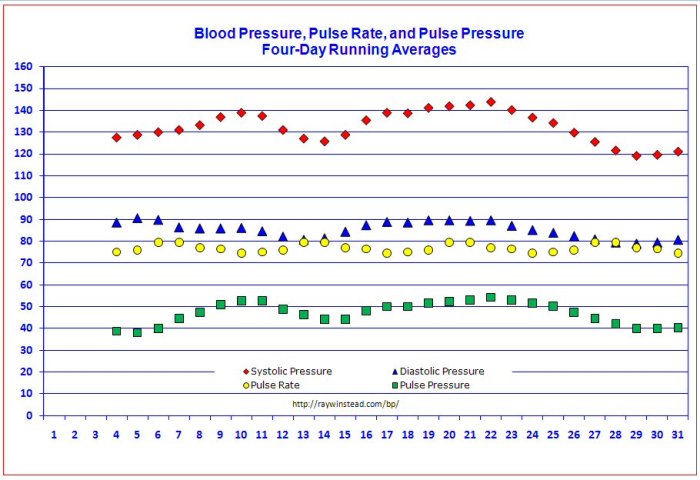
Recording your blood pressure readings in a log or journal can help you visualize trends and patterns over time. Note down the date, time, and reading each time you monitor your blood pressure. This log can be a valuable tool for you and your healthcare provider to assess the effectiveness of treatment and make informed decisions about your cardiovascular health.
Interpreting Blood Pressure Trends
When tracking blood pressure trends over time, it is crucial to understand how to interpret fluctuations in readings, what consistent high or low blood pressure trends may indicate, and how lifestyle factors can influence these trends.
Fluctuations in Blood Pressure Readings
- Fluctuations in blood pressure readings over time can be normal due to various factors such as stress, physical activity, or diet.
- However, consistent and significant fluctuations may indicate an underlying health issue that requires medical attention.
- It is important to look for patterns in these fluctuations and discuss any concerns with a healthcare provider.
Consistent High or Low Blood Pressure Trends
- Consistently high blood pressure readings, also known as hypertension, may increase the risk of heart disease, stroke, and other health complications.
- On the other hand, consistently low blood pressure readings, or hypotension, can cause dizziness, fatigue, and fainting spells.
- Monitoring these trends can help identify potential health issues and guide appropriate interventions.
Lifestyle Factors Influence on Blood Pressure Trends
- Factors such as diet, physical activity, stress levels, and tobacco and alcohol consumption can significantly impact blood pressure trends.
- A diet high in sodium and saturated fats, combined with a sedentary lifestyle, can contribute to high blood pressure.
- Regular exercise, maintaining a healthy weight, and managing stress can help lower and maintain healthy blood pressure levels.
Implementing Changes Based on Blood Pressure Trends

Implementing lifestyle changes based on blood pressure trends is crucial for maintaining overall health and reducing the risk of cardiovascular diseases. Healthcare professionals play a significant role in managing blood pressure trends by providing guidance, monitoring progress, and recommending appropriate interventions.
Here are some strategies and tips on how to make positive changes and maintain consistent blood pressure levels over time.
Strategies for Making Lifestyle Changes
- Adopting a healthy diet rich in fruits, vegetables, whole grains, and lean proteins can help lower blood pressure.
- Engaging in regular physical activity such as walking, jogging, swimming, or cycling can improve cardiovascular health and contribute to better blood pressure control.
- Reducing salt intake and avoiding processed foods high in sodium can help prevent spikes in blood pressure.
- Maintaining a healthy weight through portion control and mindful eating can positively impact blood pressure levels.
Role of Healthcare Professionals
- Regular visits to healthcare providers for blood pressure monitoring and check-ups are essential for early detection of any concerning trends.
- Healthcare professionals can recommend medications, lifestyle modifications, or other interventions based on individual blood pressure trends and overall health status.
- Collaborating with healthcare professionals to create a personalized plan for managing blood pressure trends can lead to better outcomes and long-term success.
Tips for Maintaining Consistent Blood Pressure Levels
- Monitor blood pressure regularly at home and keep a record of readings to track trends over time.
- Follow the treatment plan prescribed by healthcare professionals consistently, including taking medications as directed and making recommended lifestyle changes.
- Manage stress through relaxation techniques, such as deep breathing exercises, meditation, yoga, or hobbies that promote mental well-being.
- Avoid smoking and limit alcohol consumption to help maintain healthy blood pressure levels.
Integrating Blood Pressure Tracking with Wellness Programs
Tracking blood pressure trends can play a crucial role in wellness programs by providing valuable insights into an individual’s overall health. Integrating blood pressure monitoring into wellness initiatives offers a holistic approach to health management, allowing individuals to track their progress and make informed decisions about their well-being.
Benefits of Combining Blood Pressure Monitoring with Wellness Initiatives
- Early Detection of Health Issues: Regular blood pressure monitoring can help in the early detection of potential health problems, allowing for timely intervention and treatment.
- Personalized Health Goals: By tracking blood pressure trends within wellness programs, individuals can set personalized health goals and monitor their progress towards achieving them.
- Improved Health Outcomes: Combining blood pressure monitoring with other wellness initiatives such as exercise and nutrition programs can lead to improved health outcomes and overall well-being.
- Increased Accountability: Wellness programs that incorporate blood pressure tracking provide individuals with a sense of accountability, motivating them to stay on track with their health goals.
Success Stories of Individuals Improving Health through Blood Pressure Tracking
- John, a participant in a wellness program that included blood pressure monitoring, was able to lower his blood pressure significantly by making lifestyle changes and following the program’s recommendations.
- Sarah, who struggled with hypertension, saw a remarkable improvement in her blood pressure levels after consistently tracking her readings and adhering to a wellness program tailored to her needs.
- Mark, a busy professional, managed to reduce his stress levels and improve his overall health by regularly monitoring his blood pressure and making changes to his daily routine based on the trends observed.
Herbal Remedies for Blood Pressure Management
Herbal remedies have been used for centuries to help manage various health conditions, including high blood pressure. While they may not replace traditional medical treatments, some herbs have shown promise in improving blood pressure trends over time. It is important to note that herbal remedies should be used with caution and under the guidance of a healthcare professional.
Popular Herbal Remedies for Blood Pressure
- Garlic: Known for its cardiovascular benefits, garlic may help lower blood pressure levels.
- Hawthorn: This herb is believed to improve blood flow and support heart health, potentially leading to better blood pressure control.
- Hibiscus: Studies suggest that hibiscus tea may have a mild blood pressure-lowering effect.
Effectiveness of Herbal Remedies
While some herbal remedies have shown promising results in improving blood pressure trends, it is essential to remember that individual responses may vary. It is crucial to monitor blood pressure regularly and consult with a healthcare provider before incorporating herbal remedies into your routine.
Precautions and Considerations
- Discuss with a healthcare provider: Before using any herbal remedy for blood pressure management, consult with a healthcare professional to ensure it is safe and appropriate for your specific health needs.
- Monitor for interactions: Some herbal remedies may interact with medications or other supplements, so it is essential to be aware of potential interactions.
- Follow recommended dosages: Herbal remedies should be taken as directed, and exceeding the recommended dosage may lead to adverse effects.
The Impact of Blood Pressure Trends on Heart Health
Monitoring blood pressure trends plays a crucial role in maintaining heart health. The relationship between blood pressure levels and heart wellness is undeniable. By tracking blood pressure trends over time, individuals can take proactive steps to prevent heart-related issues and ensure overall cardiovascular well-being.
Significance of Healthy Blood Pressure Levels for Heart Health, How to track blood pressure trends over time
- Consistently high blood pressure can lead to damage in the arteries, putting strain on the heart and increasing the risk of heart disease, heart attacks, and strokes.
- Maintaining healthy blood pressure levels reduces the workload on the heart, promoting better circulation and overall cardiovascular function.
- Tracking blood pressure trends allows individuals to identify patterns and make necessary lifestyle changes to prevent heart-related complications.
Preventing Heart-Related Issues through Blood Pressure Monitoring
- Regular monitoring of blood pressure trends helps in early detection of hypertension or hypotension, allowing for timely intervention and prevention of heart conditions.
- By tracking changes in blood pressure over time, individuals can work with healthcare professionals to develop personalized strategies for heart health management.
- Understanding the impact of blood pressure trends on heart health empowers individuals to make informed decisions regarding diet, exercise, and medication to support cardiovascular well-being.
Maintaining Overall Heart Wellness through Healthy Blood Pressure Levels
- Healthy blood pressure levels contribute to the prevention of cardiovascular diseases, ensuring the heart functions optimally and efficiently.
- Consistent monitoring of blood pressure trends enables individuals to assess the effectiveness of lifestyle modifications and medications in maintaining heart health.
- By prioritizing healthy blood pressure levels, individuals can reduce the risk of heart-related emergencies and improve their quality of life.
Concluding Remarks
In conclusion, How to track blood pressure trends over time provides a comprehensive guide to help individuals navigate the complexities of monitoring and managing their blood pressure effectively. By understanding the trends, making necessary changes, and integrating tracking with wellness initiatives, one can strive towards optimal heart health and overall well-being.
Clarifying Questions: How To Track Blood Pressure Trends Over Time
How often should I track my blood pressure trends?
It is recommended to track your blood pressure trends at least once a day at the same time for accurate analysis.
Can lifestyle factors significantly impact blood pressure trends?
Absolutely, factors like diet, exercise, stress levels, and sleep patterns can have a profound impact on blood pressure trends over time.
Are there any herbal remedies that can help manage blood pressure?
Yes, certain herbs like garlic, hawthorn, and hibiscus are known to have positive effects on blood pressure management when used appropriately.