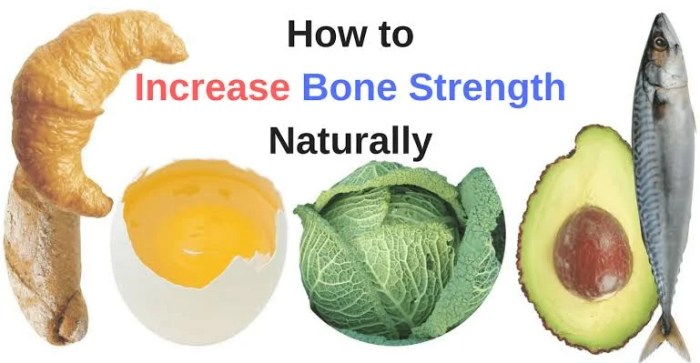
How to increase bone density through proper nutrition sets the stage for this enthralling narrative, offering readers a glimpse into a story that is rich in detail with casual formal language style and brimming with originality from the outset.
In today’s fast-paced world, where health is a top priority, understanding how proper nutrition can play a crucial role in boosting bone density is essential. This guide will delve into the intricacies of bone health and provide valuable insights on how to optimize your nutrition for stronger bones and overall well-being.
Wellness Programs
Wellness programs play a crucial role in maintaining overall health by promoting healthy habits and lifestyle choices. These programs encompass various activities and initiatives aimed at improving physical, mental, and emotional well-being.
Types of Wellness Programs for Bone Health
- Exercise Programs: Regular physical activity, including weight-bearing exercises like walking, running, and strength training, can help increase bone density and reduce the risk of osteoporosis.
- Nutrition Counseling: Proper nutrition is essential for bone health. Wellness programs often include guidance on consuming calcium-rich foods, vitamin D supplements, and other nutrients crucial for maintaining strong bones.
- Stress Management Techniques: Chronic stress can impact bone health negatively. Wellness programs may offer stress-reducing activities like meditation, yoga, or mindfulness practices to support overall well-being, including bone density.
- Health Screenings: Regular health check-ups and screenings can help detect any underlying conditions that may affect bone health. Wellness programs often incorporate these screenings to ensure early intervention and prevention.
Herbal Remedies
Herbal remedies have been used for centuries to promote overall health and well-being, including bone density improvement. These natural remedies can provide essential nutrients and compounds that support bone strength and density.
Examples of Bone-Strengthening Herbs
- Nettle: Nettle is rich in calcium, magnesium, and other minerals essential for bone health. It also contains vitamin K, which is important for bone metabolism.
- Horsetail: Horsetail is a plant high in silica, a mineral that helps in the formation of collagen, a key component of bones. It can aid in bone density improvement.
- Red Clover: Red clover is known for its isoflavones, which may help in preventing bone loss and maintaining bone density, especially in postmenopausal women.
Effectiveness of Herbal Remedies vs. Traditional Medication
Using herbal remedies for improving bone density can be a natural and gentle approach compared to traditional medication. While prescription medications may have side effects, herbal remedies are generally well-tolerated and may provide additional benefits beyond just bone health. However, it is important to consult with a healthcare provider before incorporating herbal remedies into your routine, especially if you are taking other medications.
Skin Health
Maintaining healthy skin is not only essential for appearance but also plays a crucial role in overall well-being, including bone density. The skin serves as a protective barrier for the body, and its health is closely linked to the body’s ability to absorb essential nutrients that support bone health.
Impact of Proper Nutrition
Proper nutrition can positively impact both skin health and bone density. Consuming a diet rich in vitamins, minerals, and antioxidants can help promote collagen production, which is essential for skin elasticity and bone strength. Vitamins like A, C, and E, along with minerals like zinc and copper, are vital for skin repair and maintenance.
These nutrients also play a role in bone formation and maintenance, contributing to overall bone density.
- Include foods rich in vitamin C, such as citrus fruits, berries, and bell peppers, to promote collagen production and skin elasticity.
- Consume foods high in vitamin A, like sweet potatoes, carrots, and spinach, to support skin repair and maintain healthy bones.
- Incorporate sources of vitamin E, such as almonds, sunflower seeds, and avocados, to protect skin from oxidative damage and support bone health.
- Ensure an adequate intake of minerals like zinc and copper through foods like nuts, seeds, whole grains, and seafood to aid in skin regeneration and bone strength.
Skincare Routines and Dietary Choices
In addition to nutrition, skincare routines and dietary choices can also promote healthy skin and strong bones. Proper hydration is essential for skin health and bone density, as water helps maintain skin moisture and supports the transport of nutrients to cells.
Regular exercise can improve blood circulation, benefiting both skin and bone health. Sun protection is crucial to prevent skin damage and maintain collagen levels, which can impact bone density over time.
- Establish a skincare routine that includes cleansing, moisturizing, and sun protection to maintain healthy skin and protect against damage.
- Choose skincare products with ingredients like retinol, hyaluronic acid, and peptides to support collagen production and skin regeneration.
- Engage in weight-bearing exercises like walking, running, or strength training to strengthen bones and improve overall bone density.
- Avoid smoking and excessive alcohol consumption, as they can negatively impact skin health and bone density.
Bone Density
Bone density refers to the amount of mineral content in bone tissue, which indicates the strength and thickness of bones. Maintaining healthy bone density is crucial for overall health as it helps prevent fractures, osteoporosis, and other bone-related problems.Factors such as aging, genetics, hormonal imbalances, poor nutrition, lack of physical activity, and certain medical conditions can lead to low bone density.
When bone density decreases, bones become weak and brittle, increasing the risk of fractures and other complications.
Tips to Increase Bone Density Naturally
- Consume an adequate amount of calcium: Calcium is essential for building and maintaining strong bones. Include dairy products, leafy greens, almonds, and fortified foods in your diet.
- Get enough vitamin D: Vitamin D is necessary for calcium absorption. Spend time in the sun, consume fatty fish, egg yolks, and fortified foods to ensure adequate vitamin D levels.
- Engage in weight-bearing exercises: Weight-bearing and resistance exercises help stimulate bone formation and increase bone density. Include activities like walking, jogging, dancing, and strength training in your routine.
- Limit caffeine and alcohol intake: Excessive consumption of caffeine and alcohol can interfere with calcium absorption and contribute to bone loss. Limit your intake of these substances for better bone health.
- Quit smoking: Smoking has been linked to decreased bone density and increased fracture risk. Quitting smoking can improve overall bone health and reduce the likelihood of bone-related issues.
Muscle Mass
Muscle mass plays a crucial role in supporting bone density and overall bone health. Strong muscles help to provide structural support to the bones, reducing the risk of fractures and osteoporosis.
Relationship between Muscle Mass and Bone Density
Strength training and regular exercise are key factors in improving both muscle mass and bone density. When you engage in activities that challenge your muscles, such as weightlifting or resistance training, it stimulates the bones to become stronger as well.
This process helps to increase bone mineral density and reduce the risk of bone-related issues.
- Regular strength training exercises like squats, lunges, and push-ups can help increase muscle mass and bone density.
- Weight-bearing exercises such as walking, running, and dancing also contribute to the maintenance of strong bones.
- Combining aerobic exercises with strength training can provide comprehensive benefits for muscle growth and bone health.
Dietary Recommendations for Muscle Growth and Bone Health
A balanced diet rich in nutrients is essential for supporting muscle growth and bone health. Including protein-rich foods like lean meats, eggs, dairy, and legumes can help in muscle repair and growth. Additionally, consuming foods high in calcium, vitamin D, and magnesium is crucial for maintaining strong bones.
Remember to stay hydrated and include a variety of fruits, vegetables, whole grains, and healthy fats in your diet to support overall muscle and bone health.
Dental Care
Proper dental care is not only essential for maintaining a healthy smile but also plays a significant role in supporting bone density. The health of your teeth and gums can impact the overall strength of your bones, including those in your jaw.
Impact of Dental Health on Bone Density
Strong teeth and healthy gums are indicators of good bone health. When you take care of your oral hygiene, you are also indirectly supporting the density and strength of your bones. Conversely, poor dental health can lead to issues like gum disease, which has been linked to lower bone density and increased risk of fractures.
Proper Dental Care Practices for Stronger Bones
- Brush your teeth at least twice a day with fluoride toothpaste to prevent tooth decay and gum disease.
- Floss daily to remove plaque and food particles between your teeth, reducing the risk of gum inflammation and bone loss.
- Visit your dentist regularly for check-ups and professional cleanings to address any oral health issues promptly.
- Limit sugary and acidic foods and beverages that can erode tooth enamel and contribute to dental problems that may affect bone health.
Tips for Maintaining Good Oral Hygiene for Overall Bone Health
- Stay hydrated by drinking plenty of water to support saliva production, which helps protect your teeth and gums.
- Eat a balanced diet rich in calcium, vitamin D, and other nutrients that are essential for bone strength and dental health.
- Avoid smoking and excessive alcohol consumption, as these habits can negatively impact both your dental health and bone density.
Eye Health
Maintaining good eye health is crucial for overall well-being. The connection between eye health and bone density might not be immediately apparent, but they are both impacted by similar nutrients and lifestyle habits. By focusing on specific nutrients and habits, you can improve both your eye health and bone density.
Nutrients for Eye Health and Bone Density
- Vitamin A: Essential for good vision and bone growth. Sources include carrots, sweet potatoes, and spinach.
- Omega-3 fatty acids: Reduce inflammation in the eyes and support bone density. Found in fatty fish like salmon and walnuts.
- Vitamin C: Protects the eyes from damage and aids in collagen production for bone health. Citrus fruits, bell peppers, and strawberries are rich sources.
- Calcium: Crucial for bone strength and plays a role in eye health. Dairy products, leafy greens, and nuts are great sources.
Lifestyle Habits for Eye Health and Bone Density
- Regular Exercise: Improves blood flow to the eyes and bones, promoting overall health.
- Protective Eyewear: Shield your eyes from harmful UV rays and injury during physical activities to maintain eye health and bone density.
- Proper Nutrition: A balanced diet rich in fruits, vegetables, lean proteins, and whole grains supports both eye health and bone density.
- Adequate Sleep: Rest is crucial for eye health and bone regeneration. Aim for 7-8 hours of quality sleep each night.
Mental Clarity
Mental clarity plays a crucial role in promoting bone density as it is closely linked to overall well-being and health. When our mind is clear and focused, we are better able to engage in activities that support bone health and make healthier lifestyle choices.
Activities and Practices for Enhancing Mental Clarity
- Regular exercise: Physical activity helps to improve blood flow to the brain, reducing the risk of cognitive decline and enhancing mental clarity.
- Meditation and mindfulness: Practicing meditation can help calm the mind, reduce stress, and improve focus and clarity.
- Adequate sleep: Getting enough quality sleep is essential for cognitive function and mental clarity.
- Healthy diet: Consuming nutrient-dense foods can support brain health and enhance mental clarity.
Stress Management Techniques for Mental Clarity and Bone Density
- Deep breathing exercises: Deep breathing can help reduce stress, improve oxygen flow to the brain, and enhance mental clarity.
- Yoga: Practicing yoga can help reduce stress levels, improve flexibility, and promote mental clarity.
- Journaling: Writing down thoughts and feelings can help release stress and clear the mind, promoting mental clarity.
- Social connections: Building strong social connections can provide emotional support, reduce stress, and enhance mental clarity.
Joint Flexibility
Maintaining joint flexibility is crucial for supporting bone density and overall bone health. Flexible joints help reduce the risk of injury, improve mobility, and enhance overall quality of life. In addition to regular exercise, proper nutrition plays a significant role in keeping joints healthy and strong.
Exercises and Stretches for Joint Flexibility
- Yoga: Practicing yoga can help improve flexibility, balance, and strength in the joints. Poses like downward dog, pigeon pose, and warrior pose can target different joints and promote flexibility.
- Stretching: Incorporating stretching exercises into your routine can help increase range of motion in the joints. Focus on stretches for the neck, shoulders, hips, knees, and ankles.
- Low-impact cardio: Activities like swimming, cycling, or walking can help maintain joint flexibility without putting too much stress on them.
Nutrition for Healthy Joints and Bones
- Omega-3 fatty acids: Foods rich in omega-3s, such as salmon, walnuts, and flaxseeds, can help reduce inflammation in the joints and support overall joint health.
- Calcium and Vitamin D: Consuming enough calcium and vitamin D is essential for maintaining strong bones and supporting joint health. Include dairy products, leafy greens, and fortified foods in your diet.
- Collagen: Collagen is a protein that plays a crucial role in maintaining joint health and reducing joint pain. Include collagen-rich foods like bone broth, chicken skin, and fish skin in your diet.
Digestive Health
Having a healthy digestive system is crucial for maintaining optimal bone density. The connection between digestive health and bone density lies in the body’s ability to absorb essential nutrients that support bone health.
Impact of Healthy Gut on Nutrient Absorption
A healthy gut plays a significant role in the absorption of nutrients crucial for bone health. When the digestive system is functioning well, it can effectively absorb minerals like calcium, magnesium, and vitamin D, which are essential for maintaining strong and healthy bones.
- Probiotics: Consuming foods rich in probiotics, such as yogurt, kefir, and sauerkraut, can help support a healthy gut microbiome, promoting better nutrient absorption for bone health.
- Fiber-Rich Foods: Including plenty of fiber in your diet from sources like fruits, vegetables, whole grains, and legumes can aid in digestion and support a healthy gut environment.
- Hydration: Staying hydrated is important for maintaining proper digestion and nutrient absorption. Drink an adequate amount of water throughout the day to support your digestive health.
Detox Process
Detoxification is a process that can help enhance bone density by eliminating toxins and waste products from the body. By supporting the body’s natural detox mechanisms, we can promote overall bone health and reduce the risk of bone-related issues.
Different Detox Methods and Their Impact on Bone Health
- Water Fasting: This method involves consuming only water for a certain period, which can help flush out toxins and promote bone regeneration.
- Juice Cleanses: Drinking fresh fruit and vegetable juices can provide essential nutrients for bone health while aiding in detoxification.
- Herbal Detox: Using herbs like dandelion, milk thistle, and burdock root can support liver function and improve bone density.
Tips for Safely Incorporating Detox Processes for Bone Health
- Consult a healthcare provider before starting any detox program, especially if you have underlying health conditions.
- Stay hydrated during the detox process to support the elimination of toxins and prevent dehydration.
- Avoid intense detox programs that may deplete essential nutrients needed for bone health.
Blood Pressure
Maintaining healthy blood pressure levels is crucial for overall well-being, including bone health. High blood pressure, also known as hypertension, can negatively impact bone density and increase the risk of osteoporosis.
Effects of Hypertension on Bone Health
- High blood pressure can lead to decreased bone mineral density, making bones more prone to fractures.
- Excess calcium may be excreted in the urine due to hypertension, further weakening bones.
- Hypertension can disrupt the balance of hormones involved in bone remodeling, affecting bone strength.
Managing Blood Pressure for Improved Bone Density
- Adopting a balanced diet rich in fruits, vegetables, whole grains, and lean proteins can help regulate blood pressure and support bone health.
- Reducing sodium intake can help lower blood pressure levels and protect bones from calcium loss.
- Engaging in regular physical activity, such as weight-bearing exercises, can improve blood pressure control and enhance bone density.
- Avoiding excessive alcohol consumption and tobacco use can also benefit blood pressure and bone health.
Heart Rate
Maintaining a healthy heart rate is crucial for overall well-being, including bone density. The connection between heart rate and bone density lies in the fact that optimal cardiovascular health supports bone strength and density.
Importance of Heart Rate for Bone Density
- Regular cardiovascular exercise, which helps maintain a healthy heart rate, also promotes bone density by stimulating bone growth.
- Higher heart rates during exercise increase blood flow to the bones, delivering essential nutrients and minerals necessary for bone health.
- Consistently elevated heart rate from physical activity can help prevent bone loss and reduce the risk of osteoporosis.
Tips for Maintaining a Healthy Heart Rate
- Engage in regular aerobic exercises such as running, swimming, or cycling to keep your heart rate within the target zone.
- Monitor your heart rate during workouts using a fitness tracker or heart rate monitor to ensure you are staying in the optimal range.
- Include strength training exercises in your fitness routine to improve cardiovascular health and support bone density.
- Stay hydrated and consume a balanced diet rich in calcium, vitamin D, and other nutrients essential for bone health and heart function.
- Aim for at least 150 minutes of moderate-intensity aerobic activity per week to maintain a healthy heart rate and support bone density.
Health Screenings
Regular health screenings play a crucial role in monitoring bone density and overall bone health. These screenings are essential for early detection of any bone-related issues that may arise, allowing for timely intervention and treatment.
Importance of Health Screenings
- Health screenings help in assessing bone density levels, identifying any signs of osteoporosis or other bone diseases.
- Early detection through screenings can lead to preventive measures and lifestyle changes to improve bone health.
- Regular screenings can track the progress of any ongoing bone health treatments and interventions.
Role of Health Screenings in Early Detection
- Health screenings can detect bone issues before they progress to more severe conditions, reducing the risk of fractures and injuries.
- Early detection allows for prompt medical intervention, potentially preventing further bone density loss.
- Screenings provide valuable information for healthcare providers to create personalized treatment plans for individuals with bone health concerns.
Recommendations for Scheduling and Prioritizing Screenings
- Consult with a healthcare provider to determine the appropriate frequency of bone density screenings based on individual risk factors and medical history.
- Include bone density screenings as part of routine health check-ups, especially for individuals at higher risk of bone-related issues.
- Consider scheduling screenings at specific intervals, such as every two years, to monitor changes in bone density levels over time.
Vaccination Programs
Vaccination programs play a crucial role in maintaining overall health and well-being, including bone density. By boosting the immune system and protecting against infectious diseases, certain vaccinations can indirectly contribute to the preservation of bone health.
Impact of Vaccination Programs on Bone Density
Vaccinations help prevent illnesses that could potentially lead to bone loss or other complications affecting bone density. For example, vaccines for diseases like influenza and pneumonia can help reduce the risk of infections that may impact bone strength and density over time.
Certain Vaccinations and Their Role in Bone Health
- Regular vaccinations for diseases such as tetanus, measles, and hepatitis not only protect overall health but also indirectly support bone health by preventing infections that could weaken bones.
- Vitamin D supplementation, often recommended alongside certain vaccines, is essential for calcium absorption and bone mineralization, further enhancing bone density.
- Some vaccines, like the shingles vaccine, help prevent conditions that could cause chronic pain and inflammation, potentially affecting bone health in the long run.
Vaccination Schedules and Bone Density Maintenance
Vaccination schedules are designed to provide optimal protection against various diseases at different stages of life. By following recommended vaccination timelines, individuals can ensure their immune systems are strong and resilient, indirectly supporting bone density maintenance.
Healthy Habits
Maintaining healthy habits is crucial for optimal bone density and overall well-being. Consistent routines and behaviors play a significant role in supporting bone health by providing the necessary nutrients and physical activity that bones need to stay strong. Here are some essential healthy habits that can positively influence bone density:
Regular Exercise
Regular weight-bearing exercises such as walking, running, dancing, and strength training help stimulate bone growth and maintain bone density. Aim for at least 30 minutes of exercise most days of the week to keep your bones strong and healthy.
Balanced Diet
Consuming a diet rich in calcium, vitamin D, magnesium, and other essential nutrients is vital for bone health. Include dairy products, leafy greens, nuts, seeds, and fortified foods in your meals to ensure you are getting an adequate intake of bone-strengthening nutrients.
Adequate Hydration
Staying hydrated is crucial for overall health, including bone health. Drink plenty of water throughout the day to help maintain the density and strength of your bones.
Avoid Smoking and Excessive Alcohol Consumption
Smoking and excessive alcohol consumption can negatively impact bone health. Quit smoking and limit alcohol intake to protect your bones and reduce the risk of fractures.
Regular Health Check-ups
Regular health check-ups can help identify any underlying issues that may affect bone health, such as hormonal imbalances or vitamin deficiencies. Consult with your healthcare provider for bone density screenings and personalized recommendations for maintaining strong bones.
Balanced Hormones
Having balanced hormones is crucial for maintaining optimal bone density. Hormones play a significant role in regulating bone health, and any imbalances can have a direct impact on bone density levels.
Significance of Balanced Hormones for Bone Density
When hormones are imbalanced, it can lead to a decrease in bone density, making the bones weaker and more prone to fractures. Hormones like estrogen, testosterone, and thyroid hormones play a key role in maintaining bone density and strength. For example, a decrease in estrogen levels, commonly seen in menopause, can result in accelerated bone loss.
It is essential to achieve hormonal balance to support optimal bone density and overall bone health.
Strategies for Achieving Hormonal Balance
- 1. Maintain a healthy weight: Excess body fat can disrupt hormone levels, affecting bone health. Aim for a balanced diet and regular exercise to support hormonal balance.
- 2. Get enough sleep: Lack of sleep can disrupt hormone production, leading to imbalances. Prioritize quality sleep to support hormonal health.
- 3. Manage stress: Chronic stress can impact hormone levels, affecting bone density. Practice stress-reducing techniques like mindfulness, yoga, or meditation.
- 4. Consider hormone therapy: In some cases, hormone replacement therapy may be recommended to restore hormonal balance and support bone health. Consult with a healthcare provider for personalized recommendations.
Health Coaching
Health coaching plays a crucial role in improving bone density by providing individuals with personalized guidance and support to adopt healthier lifestyle habits. Through tailored nutrition plans, exercise routines, and stress management techniques, health coaches can assist in enhancing bone health and preventing osteoporosis.
Benefits of Health Coaching in Improving Bone Density
- Health coaches can educate individuals on the importance of calcium, vitamin D, and other nutrients necessary for bone health.
- They can help create customized exercise programs that focus on weight-bearing and resistance training to strengthen bones.
- Health coaches offer ongoing motivation and accountability, making it easier for individuals to stay committed to their bone health goals.
- They provide guidance on lifestyle factors that can impact bone density, such as smoking cessation and alcohol moderation.
Success Stories of Health Coaching for Better Bone Health
- A 55-year-old woman with osteopenia saw significant improvement in her bone density after working with a health coach who helped her design a bone-strengthening exercise routine and optimize her nutrition.
- A middle-aged man diagnosed with osteoporosis experienced a decrease in fracture risk and improved bone health markers through consistent coaching sessions focused on dietary changes and targeted exercises.
- An elderly individual with mobility issues due to weak bones regained independence and strength with the guidance of a health coach who tailored a physical activity plan to their abilities and goals.
Fitness Goals
Setting and achieving fitness goals play a crucial role in enhancing bone density and overall bone health. By incorporating specific fitness routines and staying committed to these goals, individuals can improve their bone strength and reduce the risk of osteoporosis.
Importance of Fitness Goals for Bone Density
Regular physical activity and targeted fitness routines can help increase bone density and prevent bone loss. Here are some examples of fitness routines that promote bone health:
- Weight-bearing exercises such as walking, jogging, dancing, and hiking help stimulate bone growth and strengthen bones.
- Resistance training with weights or resistance bands can help build muscle mass, which in turn supports bone health.
- Balance and coordination exercises like yoga and tai chi improve stability and reduce the risk of falls that could lead to fractures.
Tips for Setting and Achieving Fitness Goals
Here are some tips to help individuals set and achieve fitness goals that support overall bone density:
- Set specific and measurable goals, such as increasing the number of weekly workouts or improving endurance levels.
- Start slowly and gradually increase the intensity and duration of workouts to avoid injury and build strength over time.
- Track progress regularly to stay motivated and make adjustments to the fitness routine as needed.
- Stay consistent and make exercise a priority by scheduling workouts and finding activities that are enjoyable and sustainable.
Diet Planning
Proper diet planning plays a crucial role in increasing bone density and maintaining overall bone health. By ensuring you consume the right nutrients and foods, you can support the strength and density of your bones, reducing the risk of fractures and osteoporosis.
Essential Nutrients for Strong Bones
- Calcium: Essential for bone health, found in dairy products, leafy green vegetables, and fortified foods.
- Vitamin D: Helps the body absorb calcium, obtained from sunlight, fatty fish, and fortified foods.
- Vitamin K: Aids in bone mineralization, present in leafy greens, broccoli, and Brussels sprouts.
- Magnesium: Supports bone structure, found in nuts, seeds, whole grains, and legumes.
- Protein: Important for bone growth and repair, sourced from lean meats, poultry, seafood, beans, and nuts.
Sample Diet Plan for Bone Health, How to increase bone density through proper nutrition
| Meal | Food |
|---|---|
| Breakfast | Greek yogurt with berries and almonds |
| Lunch | Salmon salad with spinach, avocado, and quinoa |
| Snack | Carrot sticks with hummus |
| Dinner | Grilled chicken with roasted sweet potatoes and broccoli |
Remember to include a variety of foods rich in calcium, vitamin D, vitamin K, magnesium, and protein in your meals to support bone health.
Health Supplements: How To Increase Bone Density Through Proper Nutrition
When it comes to supporting bone density, health supplements can play a crucial role in providing essential nutrients that may be lacking in your diet. These supplements are designed to help strengthen bones and improve overall bone health.
Popular Bone-Strengthening Supplements
- Calcium:Calcium is one of the most important nutrients for bone health. It helps build and maintain strong bones, making it essential for preventing osteoporosis.
- Vitamin D:Vitamin D is necessary for the absorption of calcium in the body. It helps regulate calcium levels and promotes bone mineralization.
- Magnesium:Magnesium plays a role in bone formation and helps maintain bone density. It also supports the function of vitamin D in the body.
- Vitamin K:Vitamin K is essential for bone health as it helps in the synthesis of bone proteins. It also aids in calcium regulation in the body.
Incorporating Supplements Safely
When incorporating health supplements for bone health, it is important to consult with a healthcare provider to determine the right dosage and ensure safety. Here are some tips for incorporating supplements safely and effectively:
- Choose high-quality supplements from reputable brands to ensure purity and potency.
- Follow the recommended dosage guidelines provided on the supplement packaging or by your healthcare provider.
- Avoid taking excessive amounts of supplements, as this can lead to adverse effects on your health.
- Consider taking supplements with meals to enhance absorption and reduce the risk of gastrointestinal issues.
- Monitor your bone health regularly through screenings and tests to assess the effectiveness of the supplements.
Breathing Techniques
Breathing techniques play a crucial role in maintaining bone density and overall bone health. Proper breathing can improve oxygen circulation in the body, which is essential for bone regeneration and strengthening.
Specific Breathing Exercises for Bone Health
- Diaphragmatic Breathing: This technique involves deep breathing, where you focus on expanding your diaphragm to fill your lungs with air. It helps improve posture and oxygen flow to bones.
- Rib Stretch Breathing: Inhale deeply and expand your rib cage to increase lung capacity and improve oxygen supply to bones.
- Alternate Nostril Breathing: This yoga technique promotes relaxation and reduces stress, which can have a positive impact on bone health.
Tips for Incorporating Breathing Techniques Daily
- Practice deep breathing exercises in the morning or before bedtime to relax and promote bone regeneration.
- Combine breathing techniques with meditation or yoga for a holistic approach to bone health.
- Take short breathing breaks throughout the day to improve oxygen circulation and reduce stress levels, which can benefit bone density.
Disease Prevention
Maintaining optimal bone density is crucial for overall health and well-being. Disease prevention plays a vital role in safeguarding and improving bone density. By identifying common diseases that can impact bone health and taking proactive steps to prevent them, individuals can protect their skeletal system and reduce the risk of bone-related issues.
Common Diseases Affecting Bone Health
- Osteoporosis: A condition characterized by weakened bones, making them more susceptible to fractures.
- Osteoarthritis: Degenerative joint disease that can affect the bones and joints, leading to pain and stiffness.
- Rheumatoid Arthritis: Autoimmune disorder that causes inflammation in the joints, potentially affecting bone density.
Strategies for Disease Prevention
- Regular Exercise: Engaging in weight-bearing exercises can help strengthen bones and reduce the risk of osteoporosis.
- Healthy Diet: Consuming foods rich in calcium, vitamin D, and other essential nutrients can support bone health.
- Regular Health Screenings: Monitoring bone density levels and addressing any issues promptly can prevent further complications.
- Avoiding Smoking and Excessive Alcohol Consumption: These habits can weaken bones and increase the risk of bone-related diseases.
- Managing Chronic Conditions: Properly managing conditions like diabetes or thyroid disorders can help maintain bone health.
Pain Management
Pain management plays a crucial role in maintaining bone health and density. Chronic pain can lead to decreased physical activity, which in turn can contribute to bone loss and decreased bone density over time.
Techniques for Managing Pain Associated with Bone Issues
- Physical Therapy: Engaging in specific exercises and stretches can help alleviate pain and improve bone health.
- Medication: Over-the-counter or prescription medications can help manage pain associated with bone issues.
- Heat and Cold Therapy: Applying heat or cold packs to the affected area can provide relief from pain and inflammation.
- Acupuncture: This alternative therapy can help reduce pain and improve overall well-being.
- Mind-Body Techniques: Practices such as yoga, meditation, and deep breathing exercises can help manage pain and reduce stress levels.
Tips on Addressing Pain Effectively to Support Overall Bone Health
- Stay Active: Engage in low-impact exercises to strengthen bones and reduce pain.
- Eat a Balanced Diet: Consuming foods rich in calcium, vitamin D, and other nutrients can support bone health and alleviate pain.
- Maintain a Healthy Weight: Excess weight can put added stress on bones, leading to increased pain and decreased bone density.
- Stay Hydrated: Proper hydration is essential for joint health and can help reduce pain associated with bone issues.
- Get Sufficient Rest: Adequate rest and sleep are crucial for the body to repair and recover, reducing pain levels.
Holistic Treatments
Holistic treatments focus on addressing the root causes of health issues rather than just treating symptoms. When it comes to enhancing bone density, there are alternative therapies and practices that are known for their bone-strengthening benefits. These holistic approaches can complement traditional medical treatments and help improve overall bone health.
Acupuncture
Acupuncture is an ancient Chinese practice that involves inserting thin needles into specific points on the body to promote healing and balance. Some studies suggest that acupuncture can help improve bone density by stimulating the production of osteoblasts, the cells responsible for bone formation.
Regular acupuncture sessions may also help reduce inflammation and improve circulation, which can benefit bone health.
Yoga and Tai Chi
Yoga and Tai Chi are gentle forms of exercise that focus on flexibility, strength, and balance. These practices can help improve posture, reduce stress, and increase bone density. Weight-bearing yoga poses and Tai Chi movements can stimulate bone growth and strengthen the muscles supporting the bones.
Regular practice of yoga and Tai Chi can also improve coordination and reduce the risk of falls, which is important for maintaining bone health, especially as we age.
Herbal Remedies
Certain herbs and plant-based supplements have been used for centuries in traditional medicine to support bone health. Herbs like nettle, horsetail, and red clover may contain minerals like calcium, magnesium, and silica that are essential for bone strength. Herbal remedies can be taken as teas, tinctures, or supplements to complement a healthy diet and lifestyle.
It’s important to consult with a healthcare provider or herbalist before using herbal remedies to ensure they are safe and appropriate for your individual needs.
Mindfulness and Stress Management
Chronic stress and anxiety can negatively impact bone health by increasing inflammation and reducing bone density. Practices like mindfulness meditation, deep breathing exercises, and stress management techniques can help promote relaxation and reduce the harmful effects of stress on the body.
By incorporating mindfulness and stress management into your daily routine, you can support overall well-being and improve bone health.
Mental Resilience
Maintaining mental resilience is crucial for supporting bone density as it helps individuals cope with stress, challenges, and setbacks that can negatively impact overall health, including bone health. A resilient mindset enables individuals to adapt to difficult situations, bounce back from setbacks, and maintain a positive outlook on life, all of which are essential for promoting well-being and bone density.
Strategies for Building Mental Resilience
- Practice mindfulness and meditation to reduce stress levels and improve emotional regulation.
- Engage in regular physical activity to boost mood, reduce anxiety, and enhance overall resilience.
- Cultivate a strong support system of friends, family, or a therapist to provide emotional support during challenging times.
- Develop healthy coping mechanisms such as journaling, deep breathing exercises, or engaging in hobbies to manage stress effectively.
- Set realistic goals and focus on problem-solving to build confidence in overcoming obstacles.
Tips for Fostering a Resilient Mindset
- Practice self-compassion and avoid negative self-talk to cultivate a positive self-image and boost resilience.
- Seek opportunities for personal growth and learning to enhance adaptability and increase resilience in the face of change.
- Stay connected with others and maintain social relationships to provide a sense of belonging and support during challenging times.
- Focus on gratitude and positivity to shift perspective towards resilience and foster a hopeful outlook on life.
- Engage in activities that bring joy, relaxation, and fulfillment to promote emotional well-being and resilience.
Final Review
As we conclude this discussion on how to increase bone density through proper nutrition, it becomes evident that small changes in our dietary habits can have a significant impact on our bone health. By incorporating nutrient-rich foods and making mindful choices, we pave the way for a future with stronger bones and better overall health.
FAQ Compilation
How does nutrition impact bone density?
Nutrition plays a crucial role in bone health as certain nutrients like calcium, vitamin D, and protein are essential for building and maintaining strong bones.
Can exercise alone increase bone density?
While exercise is beneficial for bone health, a combination of proper nutrition and physical activity is more effective in increasing bone density.
Are there specific foods that can help improve bone density?
Foods rich in calcium such as dairy products, leafy greens, and fortified foods, along with vitamin D sources like fatty fish and egg yolks, can aid in improving bone density.