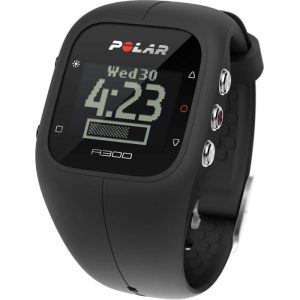
Kicking off with Heart rate monitor reviews for fitness tracking, this article delves into the world of fitness tracking devices, exploring the top options available for monitoring your heart rate with precision and accuracy.
Whether you’re a seasoned athlete or just starting your fitness journey, finding the right heart rate monitor can make all the difference in achieving your health and wellness goals.
Heart Rate Monitor Reviews for Fitness Tracking
Heart rate monitors are essential tools for individuals looking to track and improve their fitness levels. By monitoring your heart rate during exercise, you can ensure that you are working out at the right intensity to achieve your fitness goals effectively.
Types of Heart Rate Monitors
- Chest strap monitors: These are worn around the chest and provide accurate heart rate measurements.
- Wrist-based monitors: These are worn on the wrist and are convenient for everyday use but may be less accurate during high-intensity workouts.
- Smartwatch monitors: These combine heart rate monitoring with other smart features, making them versatile for fitness tracking.
Key Features to Consider
- Accuracy: Look for a monitor with reliable heart rate tracking to ensure precise measurements.
- Battery life: Consider how long the monitor can last on a single charge, especially for long workout sessions.
- Compatibility: Check if the monitor is compatible with your smartphone or fitness apps for seamless data tracking.
Real-Life Experiences
Many fitness enthusiasts have shared positive experiences using heart rate monitors to optimize their workouts. By tracking their heart rate in real-time, they have been able to make adjustments to their training intensity and see improvements in their overall fitness levels.
Wellness Programs
Wellness programs are initiatives designed to improve and maintain overall health and well-being by promoting healthy habits, preventing illness, and managing chronic conditions. These programs often include a combination of physical activity, nutrition education, stress management, and health screenings.
Popular Wellness Programs Incorporating Heart Rate Monitoring
- Fitbit Wellness Program: Fitbit offers corporate wellness programs that include activity challenges, virtual coaching, and heart rate monitoring through their wearable devices.
- Garmin Health: Garmin Health provides wellness programs for employers and health plans that utilize heart rate data from Garmin devices to track employee fitness levels and promote healthy habits.
- Apple Fitness+: Apple Fitness+ integrates heart rate monitoring into its online workout platform, allowing users to track their intensity levels and optimize their training sessions.
Benefits of Integrating Heart Rate Monitors into Wellness Programs, Heart rate monitor reviews for fitness tracking
- Personalized Training: Heart rate monitors provide real-time feedback on workout intensity, helping individuals tailor their exercise routines to achieve optimal results.
- Improved Motivation: Tracking heart rate data can motivate individuals to push themselves harder during workouts and stay committed to their fitness goals.
- Health Monitoring: By monitoring heart rate patterns over time, individuals and healthcare providers can identify potential health issues and make informed decisions about lifestyle changes.
Herbal Remedies
When it comes to maintaining heart health during fitness activities, some individuals may consider incorporating herbal remedies or natural supplements into their routine. These remedies are believed to provide additional support for overall well-being and heart function.
Specific Herbs for Heart Health
- Motherwort: Known for its calming properties, motherwort may help reduce stress and anxiety during workouts, potentially benefiting heart health.
- Hawthorn: This herb is commonly used to support cardiovascular health and may help regulate blood pressure and improve circulation.
- Ginger: In addition to aiding digestion, ginger has anti-inflammatory properties that could benefit heart health and overall performance during physical activities.
Potential Interactions with Heart Rate Monitors
While herbal remedies are generally considered safe, it is essential to be aware of potential interactions with heart rate monitors. Some herbs may affect heart rate or blood pressure, which could impact the accuracy of heart rate readings obtained from fitness trackers.
Skin Health
Maintaining skin health is crucial, especially when engaging in fitness routines that involve the use of a heart rate monitor. The connection between heart rate monitoring and skin health is important to understand in order to ensure overall well-being.
Impact of Heart Rate Monitoring on Skin Health
- Increased sweating: During intense workouts, heart rate monitoring can lead to increased sweating, which can clog pores and potentially cause breakouts. It is essential to cleanse the skin before and after workouts to prevent any skin issues.
- Skin irritation: Wearing a heart rate monitor strap or device for an extended period of time can sometimes cause skin irritation or chafing. To avoid this, ensure that the device is not too tight and that the skin is clean and dry before putting it on.
- Sun protection: If you are exercising outdoors while using a heart rate monitor, it is important to protect your skin from harmful UV rays. Apply sunscreen before heading out to prevent sun damage and premature aging.
Bone Density
Regular monitoring of heart rate can play a crucial role in maintaining healthy bone density. The relationship between cardiovascular exercise, heart rate, and bone health is intricate and significant. By utilizing a heart rate monitor during fitness tracking activities, individuals can optimize their bone density and overall bone health.
Impact of Cardiovascular Exercise on Bone Health
Cardiovascular exercises, such as running, cycling, or swimming, have been proven to have a positive impact on bone density. These weight-bearing exercises help in stimulating bone growth, strength, and density. Monitoring heart rate during these activities can ensure that the intensity is appropriate for maximizing bone health benefits.
Recommended Heart Rate Zones for Optimal Bone Density
- Target Heart Rate Zone: Maintaining a heart rate within the target zone during cardiovascular exercises is crucial for optimizing bone density. This zone typically ranges from 50-85% of your maximum heart rate.
- High-Intensity Interval Training (HIIT): Incorporating HIIT workouts can also be beneficial for bone health, as it involves alternating between periods of high-intensity exercise and rest, which can help in building bone density.
- Strength Training: In addition to cardiovascular exercises, incorporating strength training into your fitness routine is essential for improving bone density. Monitoring heart rate during strength training sessions can ensure proper intensity and effectiveness.
Muscle Mass
When it comes to fitness goals, building muscle mass is a common objective for many individuals. Tracking muscle development during workouts is crucial for progress and improvement. Heart rate monitors play a significant role in this process by providing valuable insights into how our bodies respond to different exercise routines.
Role of Heart Rate Monitors
- Heart rate monitors help individuals gauge the intensity of their workouts, which is essential for muscle growth. By tracking heart rate zones, users can ensure they are pushing themselves enough to stimulate muscle growth without overexerting.
- Monitoring heart rate during strength training sessions can also help individuals maintain proper form and technique, preventing injuries and ensuring effective muscle engagement.
- Heart rate data can be used to adjust rest periods between sets, optimize recovery time, and tailor workout plans to individual fitness levels for maximum muscle mass development.
Tips for Optimal Muscle Growth
- Utilize heart rate monitors with built-in tracking features specifically designed for strength training, such as rep counting and calorie burn estimation, to monitor progress and set achievable goals.
- Experiment with different workout intensities and durations while tracking heart rate to identify the most effective routines for muscle building.
- Combine strength training with cardiovascular exercises and track heart rate variability to ensure overall fitness and endurance, which can support muscle growth.
Dental Care
Regular use of heart rate monitors during fitness activities can indirectly impact dental care due to increased breathing through the mouth, which can lead to dry mouth. Dry mouth reduces saliva production, increasing the risk of dental issues such as tooth decay and gum disease.
It is important to take extra care of oral hygiene when using a heart rate monitor to maintain overall health.
Maintaining Oral Hygiene During Fitness Activities
- Avoid sugary sports drinks and opt for water to stay hydrated without exposing teeth to sugars that can cause decay.
- Carry a small bottle of mouthwash or water to rinse your mouth during breaks in your workout to keep your mouth moist.
- Brush your teeth before and after workouts to remove any food particles and bacteria that can lead to dental problems.
- Consider using a mouth guard if you clench your jaw during intense exercise to prevent damage to teeth and jaw muscles.
Connections Between Heart Rate Monitoring and Dental Health
- Research suggests that regular exercise, which often involves the use of heart rate monitors, can improve overall health, including oral health.
- Increased blood flow during exercise can promote gum health by delivering more oxygen and nutrients to the gums.
- Maintaining a healthy heart rate through exercise can reduce stress, which is a contributing factor to conditions like teeth grinding and jaw clenching.
Eye Health
Regular physical exercise is essential for maintaining overall health and wellness, but it’s also important to consider the impact on eye health when using a heart rate monitor for fitness tracking. Here, we will explore the relationship between heart rate monitoring and eye health during workouts, as well as ways to protect your eyes and tips for individuals with pre-existing eye conditions.
Impact of Heart Rate Monitoring on Eye Health
- Increased blood flow to the eyes during exercise can help improve eye health by delivering more oxygen and nutrients.
- Rigorous physical activity can sometimes lead to changes in intraocular pressure, affecting individuals with conditions like glaucoma.
- Extended periods of staring at digital screens on heart rate monitors may contribute to eye strain and discomfort.
Ways to Protect Eye Health While Using a Heart Rate Monitor
- Take regular breaks from looking at the heart rate monitor screen to reduce eye strain.
- Ensure proper lighting and positioning of the monitor to minimize glare and optimize visibility.
- Stay hydrated to maintain adequate tear production and prevent dry eyes during workouts.
Tips for Individuals with Pre-existing Eye Conditions
- Consult with an eye care professional before engaging in strenuous physical activities to assess potential risks.
- Use specialized eyewear or protective gear to shield the eyes from external elements during workouts.
- Consider alternative forms of exercise that are gentler on the eyes, such as yoga or swimming.
Mental Clarity
In the realm of fitness tracking and heart rate monitoring, mental clarity plays a crucial role in ensuring optimal performance and focus during workouts. By understanding the relationship between heart rate monitoring and mental clarity, individuals can enhance their cognitive function and overall well-being.
Improving Focus and Cognitive Function
When tracking heart rate during workouts, individuals can gain valuable insights into their physical exertion levels and overall performance. By maintaining an optimal heart rate zone, they can ensure that their body is working efficiently without overexertion. This balance not only benefits physical health but also has a direct impact on mental clarity.
Monitoring heart rate can help individuals stay in the ‘zone’ where they are most focused and mentally sharp, optimizing their workout sessions for maximum benefit.
- Utilize heart rate monitors to track and maintain an appropriate heart rate zone during workouts.
- Practice mindfulness techniques such as deep breathing and visualization to enhance focus and mental clarity.
- Incorporate interval training into workout routines to challenge cognitive function and improve mental acuity.
Joint Flexibility
Regular monitoring of heart rate can play a crucial role in improving joint flexibility and mobility. By tracking your heart rate during exercise, you can ensure that you are working out at the right intensity to promote joint health and flexibility.
Preventing Injuries and Improving Joint Health
- Heart rate monitors help individuals maintain a safe and effective workout intensity, reducing the risk of overexertion and potential joint injuries.
- By staying within your target heart rate zone, you can optimize your workouts to enhance joint health and flexibility over time.
- Consistent monitoring with a heart rate monitor can also help you identify any potential issues or imbalances in your workout routine that may be affecting your joint health.
Tips for Enhancing Joint Flexibility
- Utilize your heart rate monitor to ensure you are engaging in proper warm-up and cool-down routines before and after workouts to prevent stiffness and improve joint flexibility.
- Focus on low-impact exercises like swimming or cycling that are gentle on the joints while still providing an effective workout.
- Incorporate flexibility and stretching exercises into your routine, monitoring your heart rate to ensure you are maintaining a safe and effective intensity for improving joint flexibility.
Digestive Health
Maintaining digestive health is crucial for overall well-being, especially when engaging in physical activities with a heart rate monitor. The connection between heart rate monitoring and digestion can impact how efficiently nutrients are absorbed, energy is produced, and waste is eliminated.
Impact of Exercise Intensity
Different exercise intensities can have varying effects on digestion and heart rate. Low to moderate-intensity exercises like walking or yoga can promote digestion by increasing blood flow to the digestive system, aiding in nutrient absorption. However, high-intensity workouts may divert blood flow away from the digestive tract to working muscles, potentially causing digestive issues like cramping or bloating.
- Low to moderate-intensity exercises can promote digestion by increasing blood flow to the digestive system.
- High-intensity workouts may divert blood flow away from the digestive tract, potentially causing digestive issues.
- Listening to your body’s cues during exercise can help maintain optimal digestive health.
It’s essential to strike a balance between exercise intensity and digestive health to support overall wellness.
Detox Process
When it comes to detoxing the body, incorporating heart rate monitoring into your fitness routine can be a valuable tool. By tracking your heart rate during workouts, you can ensure that you are pushing your body enough to stimulate detoxification processes.
Role of Hydration in Detoxification
Hydration plays a crucial role in the body’s detox process. Drinking an adequate amount of water helps flush out toxins and waste products, ensuring that your organs can function optimally. Monitoring your heart rate can remind you to stay hydrated during workouts to support the detoxification process.
Heart Rate and Detoxification
During exercise, your heart rate increases to deliver oxygen and nutrients to your muscles. This increased circulation also helps remove waste products from your cells, supporting the body’s natural detox mechanisms. By monitoring your heart rate, you can ensure that you are engaging in activities that promote detoxification.
Tips for Incorporating Heart Rate Monitors into Detox Routines
- Choose workouts that elevate your heart rate to a level that promotes detoxification.
- Stay hydrated before, during, and after exercise to support the body’s detox processes.
- Monitor your heart rate to ensure you are working at an intensity that stimulates detoxification.
- Consider incorporating high-intensity interval training (HIIT) to maximize detox benefits.
Blood Pressure: Heart Rate Monitor Reviews For Fitness Tracking
Regular monitoring of blood pressure is crucial for maintaining overall health, especially during exercise when the heart is working harder. Heart rate monitors can help individuals keep track of their blood pressure levels in real-time, providing valuable insights into their cardiovascular health.
Relationship between Heart Rate, Blood Pressure, and Cardiovascular Health
- Heart Rate: The number of times the heart beats per minute, which increases during physical activity to meet the body’s demand for oxygen.
- Blood Pressure: The force of blood against the walls of the arteries, influenced by the amount of blood pumped by the heart and the resistance in the arteries.
- Cardiovascular Health: Refers to the overall well-being of the heart and blood vessels, impacted by factors like heart rate, blood pressure, cholesterol levels, and more.
Tips for Using Heart Rate Monitors to Maintain Healthy Blood Pressure
- Aim for Target Heart Rate: Monitor your heart rate to ensure it stays within the target zone based on your age and fitness level, which can help regulate blood pressure.
- Stay Hydrated: Drink an adequate amount of water before, during, and after exercise to support healthy blood flow and maintain blood pressure levels.
- Monitor Recovery Time: Pay attention to how quickly your heart rate returns to normal after exercise, as a faster recovery time indicates better cardiovascular fitness and blood pressure control.
- Listen to Your Body: If you experience any unusual symptoms like dizziness, chest pain, or shortness of breath, stop exercising immediately and seek medical attention.
Health Screenings
Regular health screenings are crucial for early detection of potential health issues and maintaining overall well-being. By integrating heart rate monitoring into these routines, individuals can gain valuable insights into their cardiovascular health and overall fitness levels.
Complementing Health Screenings with Heart Rate Monitors
Heart rate monitors can provide continuous data on heart rate variability, resting heart rate, and recovery heart rate, which can offer valuable information to healthcare providers during health screenings. This data can help in assessing cardiovascular health, identifying potential risk factors, and monitoring the effectiveness of wellness programs.
- Heart rate variability: Monitoring changes in heart rate variability can indicate stress levels, fatigue, and overall autonomic nervous system function. Abnormalities in heart rate variability can be an early indicator of potential health issues.
- Resting heart rate: A higher resting heart rate may indicate poor cardiovascular fitness or health conditions such as hypertension or heart disease. Tracking resting heart rate over time can help individuals and healthcare providers assess progress and make necessary adjustments to lifestyle habits.
- Recovery heart rate: Monitoring how quickly the heart rate returns to baseline after physical activity can provide insights into cardiovascular fitness. A slower recovery heart rate may indicate insufficient fitness levels or potential health risks.
Vaccination Programs
When it comes to vaccination programs, monitoring your heart rate can play a crucial role in maintaining overall health and wellness. Integrating heart rate monitors into vaccination schedules can provide valuable insights into how your body is responding to the vaccinations and help track any potential side effects.
Connection Between Heart Rate Monitoring and Vaccination Programs
Heart rate monitors can help individuals track any changes in their heart rate before and after receiving vaccinations, providing important data on how their body is responding to the vaccine.
Integration of Heart Rate Monitors into Vaccination Schedules
- Monitor your resting heart rate before and after vaccinations to detect any abnormal changes.
- Use heart rate variability measurements to assess your body’s stress response to vaccinations.
- Track your heart rate during physical activity post-vaccination to ensure your body is recovering well.
Tips for Individuals on Vaccination Programs Using Heart Rate Monitors
- Stay hydrated before and after vaccinations to support your cardiovascular system.
- Get enough rest and sleep to help your body recover and respond effectively to the vaccine.
- Consult with your healthcare provider on how to best utilize your heart rate monitor in conjunction with your vaccination schedule.
Healthy Habits
Developing healthy habits is essential for overall well-being and fitness. Heart rate monitoring can play a significant role in encouraging individuals to adopt and maintain these habits.
Role of Consistency and Discipline
- Consistency is key when it comes to achieving fitness goals. By tracking heart rate regularly, individuals can stay motivated and accountable for their progress.
- Discipline is necessary to stick to a fitness routine. With a heart rate monitor, individuals have tangible data to assess their efforts and make necessary adjustments.
- Setting specific goals and tracking progress over time can help individuals stay focused and committed to their fitness journey.
Strategies for Cultivating Healthy Habits
- Use heart rate zones to optimize workouts and ensure efficient calorie burn.
- Set reminders to monitor heart rate during exercise to maintain intensity levels and avoid overexertion.
- Utilize heart rate data to adjust workout routines, rest periods, and recovery strategies for better overall fitness results.
- Share heart rate data with fitness trainers or healthcare professionals for personalized guidance and support.
Balanced Hormones
Monitoring your heart rate can have a significant impact on balancing hormones and improving overall well-being. By understanding how heart rate monitors can help regulate stress hormones during workouts, individuals can optimize their fitness routine for better hormone balance.
Impact of Heart Rate Monitoring on Hormone Balance
Heart rate monitoring allows individuals to track their stress levels during exercise, which can help regulate cortisol levels. By maintaining an optimal heart rate zone, individuals can prevent spikes in cortisol that can negatively impact hormone balance.
Additionally, monitoring heart rate variability can provide insights into the autonomic nervous system, which plays a crucial role in hormone regulation. By tracking HRV, individuals can better understand their body’s response to stress and adjust their workouts accordingly for improved hormone balance.
Tips for Promoting Balanced Hormones through Fitness Tracking
- Stay within your target heart rate zone during workouts to prevent excessive stress on the body and avoid spikes in cortisol levels.
- Use heart rate data to optimize rest and recovery periods, allowing your body to recover properly and maintain hormone balance.
- Track your heart rate variability to monitor changes in stress levels and adjust your workout intensity or duration accordingly.
- Combine heart rate monitoring with other wellness practices such as meditation, adequate sleep, and a balanced diet to support overall hormone balance.
Health Coaching
Health coaching plays a vital role in conjunction with heart rate monitoring for fitness tracking. By combining the insights from heart rate data with personalized guidance and support from a health coach, individuals can optimize their fitness routines and overall well-being.
Personalized Fitness Plans
Health coaches can utilize the data obtained from heart rate monitors to tailor personalized fitness plans for their clients. By analyzing heart rate trends during different activities, coaches can identify optimal exercise intensities, recovery periods, and overall training strategies to help individuals meet their health and fitness goals effectively.
- Health coaches can adjust workout intensity based on heart rate zones to ensure clients are training at the appropriate level for their fitness level and goals.
- Heart rate data can also help coaches track improvements in cardiovascular fitness over time and make necessary adjustments to workout routines.
- By monitoring heart rate variability, coaches can assess an individual’s stress levels and recovery capacity, allowing for better management of overall health and well-being.
Success Stories
There are numerous success stories of individuals who have benefited from the combination of health coaching and heart rate monitoring. Clients have reported significant improvements in fitness levels, weight management, stress reduction, and overall health by following personalized fitness plans developed in collaboration with their health coaches.
“With the guidance of my health coach and the insights from my heart rate monitor, I was able to achieve my fitness goals faster and more efficiently than I ever thought possible.”
“The personalized approach to fitness planning based on my heart rate data helped me to stay motivated, accountable, and on track towards a healthier lifestyle.”
Fitness Goals
Setting specific fitness goals is crucial for progress and motivation in any fitness journey. By utilizing a heart rate monitor, individuals can enhance their goal-setting process by gaining valuable insights into their performance and overall health.
Importance of Heart Rate Monitoring
Heart rate monitoring provides real-time feedback on the intensity of workouts, allowing individuals to adjust their efforts accordingly. By tracking heart rate data during exercise, individuals can ensure they are working within their target heart rate zones to maximize the effectiveness of their workouts.
- Monitoring heart rate can help individuals set achievable fitness goals based on their current fitness level and desired outcomes.
- Tracking progress through heart rate data enables individuals to make informed decisions about adjusting their goals to continue challenging themselves.
- Heart rate monitoring can also prevent individuals from overtraining or undertraining, leading to more efficient and effective workouts.
Examples of Achievable Fitness Goals
Using a heart rate monitor, individuals can set and monitor a variety of fitness goals, such as:
- Increasing cardiovascular endurance by maintaining a target heart rate during aerobic activities like running or cycling.
- Improving anaerobic fitness by tracking heart rate recovery time after high-intensity intervals.
- Enhancing overall fitness levels by gradually increasing workout intensity to reach higher heart rate zones over time.
Diet Planning
When it comes to optimizing your health and fitness goals, diet planning plays a crucial role in ensuring you fuel your body with the right nutrients. By integrating heart rate monitoring into your routine, you can make informed decisions about your dietary choices and meal timing for enhanced performance.
Relationship between Heart Rate Monitoring, Fitness Tracking, and Diet Planning
Heart rate monitoring can provide valuable insights into how your body responds to different types of exercise and intensity levels. By tracking your heart rate during workouts, you can determine the most effective ways to burn calories, improve endurance, and achieve your fitness goals.
This data can then be used to tailor your diet plan to support your specific needs and optimize your performance.
- Monitor your heart rate zones: By understanding your target heart rate zones, you can adjust your dietary intake to fuel your body appropriately before, during, and after workouts. For example, consuming carbohydrates before high-intensity exercise can help sustain energy levels, while protein-rich meals post-workout support muscle recovery.
- Meal timing: Pay attention to your heart rate data to plan your meals around your workout schedule. Eating a balanced meal or snack with a combination of macronutrients before and after exercise can help maximize your performance and recovery.
- Stay hydrated: Proper hydration is essential for maintaining optimal heart rate levels during exercise. Monitoring your heart rate can remind you to drink enough water throughout the day to support your workouts and overall health.
Health Supplements
When it comes to fitness tracking with heart rate monitors, incorporating health supplements into your routine can play a significant role in enhancing your overall performance and well-being. These supplements can provide essential nutrients that support your heart health and fitness goals.
Impact of Health Supplements on Heart Rate and Fitness Performance
Health supplements can have varying effects on heart rate and fitness performance, depending on the specific ingredients and their intended benefits. Here are some key points to consider:
- Omega-3 fatty acids: Omega-3 supplements are known for their anti-inflammatory properties, which can help reduce heart rate and improve cardiovascular health.
- Coenzyme Q10: CoQ10 is a powerful antioxidant that may increase energy production in cells, leading to improved exercise performance and potentially lower heart rate during workouts.
- Iron: Iron supplements can help prevent anemia, which can cause fatigue and affect overall fitness performance. Adequate iron levels are essential for oxygen transport in the body, including to the muscles during exercise.
- Vitamin D: Vitamin D plays a crucial role in muscle function and overall health. Supplementing with vitamin D may improve muscle strength and endurance, contributing to better fitness performance.
Recommendations for Using Health Supplements with Heart Rate Monitors
Before incorporating health supplements into your fitness routine, it’s essential to consult with a healthcare professional or a nutritionist to determine the right supplements for your individual needs. Here are some recommendations to consider:
- Choose high-quality supplements from reputable brands to ensure safety and effectiveness.
- Follow recommended dosages and guidelines provided by healthcare professionals or on the supplement packaging.
- Monitor your heart rate and fitness performance regularly to assess any changes or improvements after taking supplements.
- Avoid relying solely on supplements and prioritize a balanced diet and regular exercise for overall health and fitness benefits.
Breathing Techniques
Proper breathing techniques play a crucial role in maximizing the benefits of fitness activities when using a heart rate monitor. By focusing on your breathing patterns, you can enhance the effectiveness of your workouts and optimize your performance.
Importance of Breathing Techniques
- Proper breathing ensures that your muscles receive an adequate supply of oxygen during exercise, improving endurance and reducing fatigue.
- Controlled breathing can help you maintain a steady heart rate, allowing you to push yourself harder while staying within your target zone.
- Deep breathing promotes relaxation and reduces stress, enhancing overall well-being and mental clarity during workouts.
Incorporating Breathing Exercises
- Practice diaphragmatic breathing by inhaling deeply through your nose, allowing your belly to expand, and exhaling slowly through your mouth to release tension.
- Sync your breathing with your movements during exercises, such as inhaling on the eccentric phase and exhaling on the concentric phase of each repetition.
- Use your heart rate monitor as a guide to ensure that you maintain a consistent breathing rhythm throughout your workout sessions.
Disease Prevention
Monitoring your heart rate can play a crucial role in disease prevention by helping you stay active and maintain overall well-being. Regular physical activity has been shown to reduce the risk of various chronic diseases, and heart rate monitors can assist in tracking your progress.
Role of Heart Rate Data in Disease Prevention
Heart rate data obtained from monitoring devices can provide valuable insights into your health status and help identify potential health risks or early warning signs of conditions such as hypertension, cardiovascular diseases, and diabetes. By keeping track of your heart rate during different activities, you can better understand your fitness level and make informed decisions to prevent future health issues.
Recommendations for Using Heart Rate Monitors for Disease Prevention
- Set target heart rate zones based on your fitness goals and health status to ensure you are exercising at the right intensity for maximum benefits.
- Monitor your heart rate regularly during workouts to avoid overexertion and prevent injuries.
- Use heart rate data to track improvements in cardiovascular fitness over time and adjust your exercise routine accordingly.
- Consult with a healthcare provider or fitness professional to understand how to interpret your heart rate data and make appropriate lifestyle changes for disease prevention.
Pain Management
When it comes to managing pain during workouts or physical activities, heart rate monitoring can play a crucial role in helping individuals understand their body’s response to exercise intensity. By tracking heart rate data, individuals can better gauge their pain thresholds and make informed adjustments to their workout routines to ensure effective pain management.
Utilizing Heart Rate Monitors for Pain Management
- Monitor heart rate zones: Heart rate monitors can help individuals stay within their target heart rate zones, preventing them from pushing themselves too hard and causing unnecessary pain.
- Customize workout intensity: By carefully monitoring heart rate data, individuals can tailor their exercise intensity to avoid exacerbating existing pain conditions.
- Track recovery periods: Heart rate monitors can also assist in tracking recovery periods between intervals, ensuring that individuals allow their bodies enough time to rest and prevent overexertion.
- Utilize biofeedback: Heart rate data can serve as biofeedback, allowing individuals to connect their physical sensations of pain with their heart rate responses, helping them better manage discomfort during workouts.
Holistic Treatments

Holistic treatments focus on treating the whole person, including physical, mental, and emotional aspects, rather than just the symptoms. When combined with heart rate monitoring, these practices can offer a more comprehensive approach to overall well-being.
Acupuncture
Acupuncture is an ancient Chinese healing technique that involves inserting thin needles into specific points on the body to promote energy flow. When paired with heart rate monitoring, acupuncture can help reduce stress, improve circulation, and enhance relaxation responses. This combination can lead to better overall health and fitness outcomes.
Massage Therapy
Massage therapy involves manipulating the body’s soft tissues to improve circulation, reduce muscle tension, and promote relaxation. When integrated with heart rate monitoring, massage therapy can help athletes recover faster from workouts, reduce muscle soreness, and improve overall performance. Monitoring heart rate during and after massage sessions can provide valuable data on the body’s response to treatment.
Meditation
Meditation is a mindfulness practice that involves focusing on the present moment to reduce stress and promote mental clarity. When combined with heart rate monitoring, meditation can help regulate heart rate variability, improve emotional well-being, and enhance overall fitness levels.
Tracking heart rate during meditation sessions can provide insights into the body’s stress response and relaxation patterns.
Mental Resilience
Maintaining mental resilience is crucial during challenging fitness routines, as it helps individuals push through obstacles and stay motivated. Heart rate monitoring can play a significant role in building mental resilience by providing insights into how the body responds to stress and exertion.
Relationship between Heart Rate Variability and Stress Management
Heart rate variability (HRV) refers to the variation in time intervals between heartbeats, which can be influenced by stress levels. By tracking HRV through a heart rate monitor, individuals can gain a better understanding of their body’s response to stress and learn to manage it effectively.
Consistent monitoring of HRV can help individuals identify patterns and implement strategies to improve stress management, ultimately enhancing mental resilience.
Techniques for Enhancing Mental Resilience
- Practice deep breathing exercises: Deep breathing can help calm the mind and reduce stress levels, improving overall mental resilience.
- Set achievable fitness goals: Establishing realistic fitness goals and tracking progress through heart rate monitoring can boost confidence and mental strength.
- Utilize mindfulness techniques: Incorporating mindfulness practices, such as meditation or yoga, can enhance focus and resilience during challenging workouts.
- Monitor recovery and rest periods: Adequate rest and recovery are essential for mental resilience, so tracking heart rate variability during rest can help optimize recovery time.
Final Conclusion
In conclusion, selecting the perfect heart rate monitor can be a game-changer for your fitness regimen. With a wide array of features and benefits to consider, it’s essential to choose a device that aligns with your specific needs and preferences.
Dive into the world of heart rate monitors and take your fitness tracking to the next level today.
FAQ Overview
What should I look for when choosing a heart rate monitor?
When selecting a heart rate monitor for fitness tracking, consider factors like accuracy, comfort, battery life, connectivity options, and additional features like GPS or workout tracking capabilities.
Are heart rate monitors waterproof?
Not all heart rate monitors are waterproof, so it’s essential to check the specifications of the device before using it in water-based activities like swimming.
Can I wear a heart rate monitor all day?
While some heart rate monitors are designed for all-day wear, others may be more suitable for use during specific activities or workouts. Be sure to follow the manufacturer’s guidelines for optimal usage.
Do heart rate monitors work for all fitness levels?
Heart rate monitors can be beneficial for individuals at various fitness levels, from beginners to advanced athletes. They provide valuable insights into heart rate zones and intensity levels during exercise, helping users optimize their workouts.