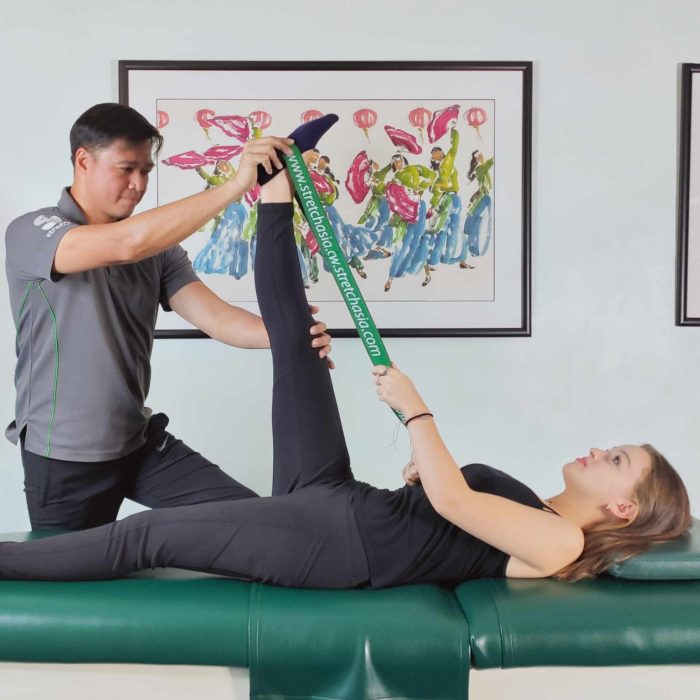
Benefits of active isolated stretching for joint flexibility: Enhancing Physical Health sets the stage for a deep dive into the world of joint flexibility and its impact on overall well-being. From improved athletic performance to better joint health, this topic explores the numerous benefits of incorporating active isolated stretching into your routine.
Active isolated stretching offers a unique approach to enhancing joint flexibility, allowing individuals to target specific muscle groups and improve overall physical health. Through a combination of targeted stretches and exercises, this method can lead to increased mobility, reduced risk of injury, and enhanced performance in various activities.
Benefits of Active Isolated Stretching for Joint Flexibility
Active Isolated Stretching (AIS) is a stretching technique that involves holding each stretch for only 1-2 seconds and repeating it multiple times. This method differs from traditional static stretching, as it allows for more targeted and effective stretching of specific muscles and joints.
Specific Stretches for Joint Flexibility
- Hamstring Stretch: Lift one leg straight out in front of you and gently lean forward, keeping your back straight, to target the hamstrings.
- Quadriceps Stretch: Stand on one leg, bend the other knee, and bring your foot towards your glutes to stretch the quadriceps.
- Shoulder Stretch: Bring one arm across your body and gently press it towards your chest to stretch the shoulder joint.
Role of Joint Flexibility in Overall Physical Health
Joint flexibility plays a crucial role in maintaining overall physical health. Improved joint flexibility can help prevent injuries, reduce muscle tension, and enhance range of motion. It also promotes better posture and alignment, which can alleviate joint pain and discomfort.
Benefits for Athletic Performance
- Enhanced Range of Motion: Improved joint flexibility allows athletes to move more freely and efficiently, leading to better performance in various sports.
- Reduced Risk of Injury: Flexible joints are less prone to strains, sprains, and other injuries commonly associated with physical activity.
- Improved Muscle Coordination: Flexible joints contribute to better muscle coordination and balance, essential for optimal athletic performance.
Wellness Programs
Wellness programs are designed to help individuals improve their overall health and well-being through a combination of strategies and activities.
Common Components of Wellness Programs
- Physical fitness activities such as exercise classes, yoga, or group workouts.
- Nutritional guidance and meal planning to promote healthy eating habits.
- Mental health resources like counseling, stress management techniques, and mindfulness practices.
- Health screenings and assessments to monitor progress and identify potential health risks.
How Wellness Programs Promote Overall Health and Well-being
Wellness programs encourage individuals to adopt healthy habits and make positive lifestyle choices. By incorporating physical activity, nutritious eating, and stress management techniques, these programs help improve physical fitness, mental well-being, and overall quality of life.
Importance of Incorporating Wellness Programs into Daily Routines
- Regular participation in wellness programs can reduce the risk of chronic diseases such as heart disease, diabetes, and obesity.
- By integrating wellness activities into daily routines, individuals can boost their energy levels, enhance their mood, and improve their productivity.
- Wellness programs provide a supportive community and accountability, making it easier for individuals to stay motivated and committed to their health goals.
Examples of Successful Wellness Programs and Their Impact on Individuals
- Company-sponsored wellness programs that offer incentives for employees to engage in healthy behaviors have been shown to reduce healthcare costs and absenteeism rates.
- Community-based wellness initiatives such as free fitness classes in public parks have helped increase physical activity levels and promote social connections among participants.
- School wellness programs that provide nutritious meals, physical education classes, and mental health resources have improved student performance and overall well-being.
Herbal Remedies
Herbal remedies have been used for centuries to promote health and wellness, offering natural alternatives to traditional medicine. These remedies are derived from plants and herbs, harnessing their healing properties to support overall well-being.
When it comes to joint flexibility and physical health, herbal remedies can play a significant role in reducing inflammation, relieving pain, and promoting relaxation. They can also support the body’s natural healing processes, making them a valuable addition to your daily routine.
Popular Herbal Remedies for Health Conditions
- Turmeric: Known for its anti-inflammatory properties, turmeric can help reduce joint pain and stiffness.
- Ginger: Ginger is another powerful anti-inflammatory herb that can alleviate muscle soreness and improve circulation.
- Arnica: This herb is commonly used to relieve muscle and joint pain, making it a popular choice for athletes and those with arthritis.
Incorporating Herbal Remedies Safely
- Consult a Professional: Before adding any herbal remedies to your routine, it’s essential to consult with a healthcare provider or herbalist to ensure they are safe and appropriate for you.
- Start Slowly: Begin with small doses of herbal remedies to assess your body’s reaction and adjust accordingly.
- Quality Matters: Choose high-quality herbal products from reputable sources to ensure their effectiveness and safety.
Skin Health
Maintaining healthy skin is not just about appearance but also plays a significant role in our overall well-being. The skin acts as a protective barrier against external factors and helps regulate body temperature. Therefore, it is essential to take care of our skin to support our health.
Impact of Joint Flexibility on Skin Health
Joint flexibility plays a crucial role in skin health as it promotes better blood circulation and oxygen flow throughout the body. Improved joint flexibility through activities like active isolated stretching can help reduce stress levels, which in turn can prevent skin issues such as acne and eczema.
- Regular stretching exercises can help release tension in muscles, leading to improved circulation and nutrient delivery to the skin cells.
- Enhanced joint flexibility can also improve lymphatic drainage, helping to remove toxins from the body and reduce inflammation that may affect the skin.
Tips for Maintaining Healthy Skin Through Lifestyle Choices
Making conscious lifestyle choices can greatly impact skin health. Here are some tips to maintain healthy skin:
- Stay hydrated by drinking plenty of water throughout the day to keep your skin hydrated and supple.
- Eat a balanced diet rich in fruits, vegetables, and lean proteins to provide essential nutrients for skin health.
- Get an adequate amount of sleep to allow your skin to repair and regenerate overnight.
- Protect your skin from the sun by using sunscreen and wearing protective clothing to prevent premature aging and skin damage.
Benefits of Regular Exercise on Skin Health
Engaging in regular exercise not only benefits your overall health but also positively impacts your skin health. Here are some benefits of regular exercise on skin health:
- Exercise helps increase blood flow, delivering more oxygen and nutrients to the skin cells, promoting a healthy glow.
- Sweating during exercise helps unclog pores and eliminate toxins from the skin, reducing the risk of breakouts.
- Regular physical activity can also reduce stress levels, which can contribute to clearer skin and a more radiant complexion.
Bone Density
Maintaining healthy bone density is crucial for overall health and well-being. Strong bones provide structural support, protect internal organs, and help in the production of red and white blood cells. As we age, it becomes increasingly important to focus on activities that can help improve and maintain bone density.Active isolated stretching can be beneficial for improving bone density by promoting blood flow to the bones and stimulating bone-building cells.
This form of stretching can help increase bone strength and reduce the risk of fractures or osteoporosis.
Exercises to Support Bone Density
- Weight-bearing exercises such as walking, jogging, dancing, and strength training can help increase bone density.
- Yoga and pilates, which involve bodyweight resistance and gentle stretching, can also support bone health.
- Jumping rope, stair climbing, and hiking are high-impact activities that can aid in building bone density.
Tips for Maintaining Healthy Bones
- Ensure an adequate intake of calcium and vitamin D through diet or supplements to support bone health.
- Avoid smoking and limit alcohol consumption, as these habits can weaken bones over time.
- Engage in regular physical activity to promote bone strength and overall health.
- Consult with a healthcare provider for regular bone density screenings and follow their recommendations for bone health maintenance.
Muscle Mass: Benefits Of Active Isolated Stretching For Joint Flexibility
Muscle mass plays a crucial role in overall health, metabolism, and physical performance. It is closely related to joint flexibility, as tight muscles can restrict movement and lead to joint stiffness. Active isolated stretching can help maintain and increase muscle mass by promoting blood flow, reducing muscle tension, and improving muscle elasticity.
Benefits of Active Isolated Stretching for Muscle Mass
Active isolated stretching targets specific muscle groups, allowing for a deeper stretch and increased muscle activation. This can help improve muscle tone, strength, and size. By regularly incorporating stretches that focus on different muscle groups, individuals can preserve and build muscle mass effectively.
- Hamstring Stretch: This stretch targets the muscles at the back of the thighs, promoting flexibility and strength.
- Chest Stretch: By stretching the chest muscles, individuals can improve posture and prevent muscle imbalances.
- Quadriceps Stretch: Stretching the quadriceps can help reduce muscle tightness and enhance lower body strength.
- Shoulder Stretch: This stretch can alleviate tension in the shoulders and upper back, promoting better range of motion and muscle growth.
Maintaining muscle mass is essential for overall health and function. It helps support joint stability, improve metabolism, and prevent age-related muscle loss. By incorporating active isolated stretching into a regular routine, individuals can optimize muscle health and enhance their physical performance in various activities.
Dental Care
The health of our joints, including the jaw joint, is closely connected to our overall well-being, including our dental health. Proper joint flexibility can contribute to better oral health by reducing tension in the jaw muscles and promoting proper alignment of the teeth.
Improving Jaw Flexibility
Stretching techniques focused on the jaw area can help improve flexibility and reduce tension in the muscles surrounding the joint. Gentle movements like opening and closing the mouth, side-to-side motions, and chin tucks can help maintain optimal range of motion in the jaw joint.
- Perform gentle jaw stretches daily to prevent stiffness and promote relaxation in the muscles.
- Use your fingers to apply light pressure to the jaw joint while performing stretches for added resistance.
- Remember to breathe deeply and relax your facial muscles during jaw stretching exercises.
Benefits of a Healthy Mouth
A healthy mouth is not only essential for proper chewing and speaking but also plays a significant role in our overall well-being. Maintaining good oral health through stretching exercises can prevent issues such as temporomandibular joint (TMJ) disorders, teeth grinding, and jaw pain.
- Healthy gums and teeth can reduce the risk of systemic conditions like heart disease and diabetes.
- Regular stretching can help promote blood flow to the jaw muscles, improving nutrient delivery and waste removal.
- Proper jaw alignment can prevent headaches, neck pain, and other discomforts associated with jaw tension.
Eye Health
Stretching exercises not only benefit joint flexibility but also play a crucial role in maintaining good eye health. The eye muscles, like any other muscle in the body, can benefit from regular stretching to improve flexibility and overall vision. By incorporating specific eye exercises into your routine, you can help prevent eye strain, improve focus, and maintain optimal eye health.
Impact of Joint Flexibility on Eye Health
Regular stretching to improve joint flexibility can indirectly benefit eye health by reducing tension in the neck and shoulder muscles. This tension often contributes to eye strain and can lead to discomfort or headaches. By keeping the muscles around the eyes relaxed and flexible, you can reduce the risk of experiencing these symptoms and maintain better eye health overall.
Benefits of Stretching Exercises for Eye Muscles
Stretching exercises that target the eye muscles can help improve blood circulation, reduce eye fatigue, and enhance focus. Some examples of eye exercises that can benefit eye muscles include:
Palming
Rub your hands together to generate heat and place them gently over your closed eyes.
Eye rotations
Slowly move your eyes in a circular motion, both clockwise and counterclockwise.
Focus shifting
Focus on an object in the distance, then shift your focus to an object closer to you.
Tips for Maintaining Good Eye Health through Regular Stretching
Incorporate eye exercises into your daily routine, especially if you spend long hours staring at screens or performing tasks that require intense focus. Remember to take regular breaks to rest your eyes and perform stretching exercises to keep the eye muscles flexible and healthy.
Additionally, ensure proper lighting and minimize glare to reduce eye strain and maintain good eye health.
Mental Clarity
Stretching is not just beneficial for physical health, but also plays a crucial role in enhancing mental clarity. The connection between joint flexibility and mental clarity is quite significant. When our muscles are tense and stiff, it can lead to a foggy mind and lack of focus.
By improving joint flexibility through stretching, we can promote better blood flow and oxygen circulation to the brain, which can help sharpen cognitive function and boost mental clarity.
Stretching for Improved Focus and Cognitive Function
Stretching can help improve focus and cognitive function by reducing stress and tension in the body. When we engage in stretching exercises, endorphins are released, helping to alleviate anxiety and promote a sense of well-being. This can lead to improved concentration and mental acuity.
Some stretches that are particularly beneficial for enhancing mental clarity include neck stretches, shoulder rolls, and spinal twists.
Benefits of a Clear Mind for Overall Well-being
A clear mind is essential for overall well-being as it can positively impact various aspects of our lives. When we have mental clarity, decision-making becomes easier, productivity increases, and we are better able to handle stress and challenges. Additionally, a clear mind can lead to better relationships, improved communication, and a greater sense of fulfillment and happiness in life.
Digestive Health
Stretching is not only beneficial for joint flexibility but also plays a role in promoting digestive health. The connection between the two may not be immediately obvious, but regular stretching exercises can actually support a healthy digestive system in various ways.
Stretching for Digestive Health
- Twisting stretches, such as seated spinal twists or supine spinal twists, can help massage the internal organs in the abdomen, improving digestion.
- Forward bends, like seated forward fold or standing forward bend, can help relieve bloating and gas by compressing the digestive organs gently.
- Child’s pose is another stretch that can help relax the abdominal muscles and aid in digestion by reducing stress in the body.
Tips for Improving Digestive Health through Stretching
- Try to incorporate stretching into your daily routine, even if it’s just a few minutes each day.
- Focus on deep breathing while stretching to help relax the body and promote better digestion.
- Listen to your body and avoid overstretching, as this can cause strain and hinder the benefits for your digestive system.
Detox Process
Stretching not only enhances joint flexibility but also plays a crucial role in supporting the body’s detoxification processes. By incorporating specific stretching exercises into your routine, you can help your body rid itself of toxins more effectively.
Impact of Joint Flexibility on Detoxification
Improved joint flexibility allows for better circulation and lymphatic drainage, which are essential for eliminating toxins from the body. When the joints are more mobile and flexible, the body can efficiently remove waste and harmful substances that may accumulate in the tissues.
Stretching to Support Detox Mechanisms
- Forward bends: Poses like Uttanasana in yoga can compress the abdomen and stimulate the digestive organs, aiding in detoxification.
- Twists: Twisting poses like Ardha Matsyendrasana help wring out toxins from the organs and improve digestion.
- Lunges: Lunging stretches like Anjaneyasana can help open up the hip flexors and improve circulation for detoxification.
Tips for Enhancing Detox Process through Stretching
- Stay hydrated: Drink plenty of water before and after stretching to flush out toxins more effectively.
- Incorporate deep breathing: Deep breathing techniques during stretching can help oxygenate the cells and support detoxification.
- Combine with other detox methods: Pair stretching exercises with practices like dry brushing or sauna sessions for a more comprehensive detox experience.
Blood Pressure
Stretching exercises not only benefit joint flexibility but also play a crucial role in regulating blood pressure levels. By incorporating specific stretches into your routine, you can help manage and improve your blood pressure.
Relationship Between Joint Flexibility and Blood Pressure
- Improved joint flexibility through stretching can enhance blood circulation throughout the body.
- Enhanced circulation aids in reducing the workload on the heart, thus helping to regulate blood pressure.
- Increased flexibility also promotes relaxation and stress reduction, which can contribute to maintaining healthy blood pressure levels.
Stretching Exercises for Healthy Blood Pressure
- Forward Fold: This stretch helps release tension in the back and neck, promoting relaxation and reducing stress.
- Chest Opener: Opening up the chest can improve breathing and circulation, supporting healthy blood pressure.
- Seated Spinal Twist: This stretch can aid in reducing tension in the spine and promoting overall relaxation.
Tips for Managing Blood Pressure through Regular Stretching
- Consistency is key – aim to incorporate stretching exercises into your daily routine.
- Focus on deep breathing while stretching to enhance relaxation and stress reduction.
- Consult with a fitness or healthcare professional to determine the most suitable stretches for your specific needs and abilities.
Heart Rate
Stretching plays a significant role in maintaining a healthy heart rate by promoting better circulation, reducing stress on the cardiovascular system, and improving overall cardiovascular health.
Impact of Joint Flexibility on Heart Rate
Joint flexibility directly impacts heart rate as tight or stiff muscles can lead to increased strain on the heart during physical activity. By improving joint flexibility through stretching, the heart can efficiently pump blood throughout the body, reducing the risk of high heart rate or other cardiovascular issues.
Stretching for a Healthy Heart Rate
- Cardiovascular stretches such as arm circles, leg swings, and torso twists can help increase blood flow and circulation, promoting a healthy heart rate.
- Dynamic stretches like jumping jacks or high knees can elevate the heart rate gradually, improving cardiovascular endurance over time.
Stretches for Cardiovascular Health
- Arm Circles:Stand with arms extended to the sides and rotate them in circular motions to increase blood flow to the heart.
- Leg Swings:Hold onto a stable surface and swing one leg forward and backward to improve circulation and heart health.
- Torso Twists:Sit or stand with feet hip-width apart and twist the torso from side to side to engage the core and stimulate the heart.
Tips for Supporting Heart Health through Stretching
- Include stretching exercises in your daily routine to improve flexibility and reduce the risk of cardiovascular issues.
- Focus on deep breathing during stretches to enhance oxygen intake and support heart function.
- Consult with a fitness professional to create a tailored stretching routine that targets heart health and overall well-being.
Health Screenings
Regular health screenings are crucial for early detection of potential health issues, allowing for timely intervention and treatment. Joint flexibility plays a significant role in the accuracy and effectiveness of these screenings, as limited range of motion can affect the results.
By maintaining good joint flexibility through stretching and flexibility exercises, individuals can optimize the outcomes of their health screenings.
Impact of Joint Flexibility on Health Screenings
- Joint flexibility can influence screenings like bone density tests, as limited flexibility may affect the accuracy of results related to bone health.
- Range of motion tests, such as those assessing shoulder or hip flexibility, can also be impacted by joint flexibility, potentially leading to misinterpretation of results.
- Screenings for conditions like arthritis or musculoskeletal disorders may be affected by joint flexibility, highlighting the importance of maintaining optimal range of motion.
Tips for Preparing for Health Screenings
- Engage in regular stretching exercises to improve joint flexibility and range of motion before health screenings to ensure accurate results.
- Focus on specific stretches targeting areas relevant to the screenings, such as spine flexibility exercises before a spinal health assessment.
- Consult with a healthcare provider or a fitness professional to develop a personalized stretching routine tailored to your screening needs.
Vaccination Programs
Vaccination programs play a crucial role in preventing the spread of infectious diseases by boosting the body’s immune response to specific pathogens. By introducing a weakened or inactive form of a virus or bacteria, vaccines train the immune system to recognize and fight off these pathogens, providing immunity and protection against future infections.
Impact of Joint Flexibility on Vaccination Effectiveness
Maintaining good joint flexibility is essential for optimizing the effectiveness of vaccinations. Proper joint flexibility ensures that the body can respond effectively to the vaccine by allowing for better circulation of blood and lymphatic fluid, which helps in transporting immune cells to the site of infection.
Poor flexibility, on the other hand, can hinder the body’s ability to mount a robust immune response, potentially reducing the efficacy of the vaccine.
- Improved flexibility in the shoulder joint can enhance the effectiveness of vaccines administered in the deltoid muscle, such as the flu vaccine.
- Enhanced hip flexibility can aid in the effectiveness of vaccines administered in the gluteal muscle, like the tetanus vaccine.
Tips for Optimizing Vaccination Outcomes through Stretching Exercises
Stretching exercises can help improve joint flexibility, thereby optimizing the outcomes of vaccinations. Here are some tips to enhance the effectiveness of vaccines through stretching:
- Regularly perform dynamic stretches to warm up the muscles and joints before vaccination to ensure better circulation and immune response.
- Incorporate yoga or Pilates into your routine to improve overall flexibility, which can positively impact vaccine efficacy.
- Focusing on specific stretches for targeted muscle groups can enhance the delivery and effectiveness of vaccines administered in those areas.
Healthy Habits
Maintaining overall well-being involves developing key healthy habits that contribute to a healthy lifestyle. Joint flexibility plays a crucial role in supporting these habits as it allows for easier movement, reduces the risk of injuries, and improves overall physical function.
By incorporating flexibility exercises into daily routines, individuals can enhance their overall health and well-being.
Key Healthy Habits for Maintaining Overall Well-being
- Regular Exercise: Engaging in physical activity on a regular basis helps improve cardiovascular health, muscle strength, and flexibility.
- Healthy Eating: Consuming a balanced diet rich in fruits, vegetables, whole grains, and lean proteins provides essential nutrients for overall health.
- Adequate Sleep: Getting enough quality sleep is crucial for physical and mental well-being, as it allows the body to rest and recharge.
- Stress Management: Practicing stress-relieving activities such as meditation, yoga, or deep breathing exercises can help reduce stress levels and improve overall health.
Examples of Healthy Habits Supported by Improved Flexibility
- Yoga or Pilates: These exercises focus on flexibility, strength, and balance, promoting overall well-being.
- Daily Stretching Routine: Incorporating stretching exercises into daily routines can help improve flexibility and prevent muscle tightness or injuries.
- Proper Posture: Maintaining good posture is essential for overall health and well-being, and flexibility plays a key role in achieving and maintaining proper posture.
Tips for Incorporating Flexibility Exercises into Daily Routines
- Set aside a specific time each day for stretching exercises, such as in the morning or before bedtime.
- Start with gentle stretches and gradually increase the intensity to avoid injury.
- Combine flexibility exercises with other forms of physical activity, such as walking or cycling, to enhance overall fitness.
Balanced Hormones
Stretching exercises play a crucial role not only in improving joint flexibility but also in regulating hormone levels in the body. When our muscles are tight and tense, it can lead to imbalances in hormone production. By incorporating regular stretching routines into our wellness practices, we can promote hormonal balance and overall well-being.
Connection between Joint Flexibility and Hormonal Balance
Stretching exercises help reduce stress levels in the body, which in turn can positively impact hormone regulation. When we stretch our muscles, it signals the brain to release endorphins, also known as the “feel-good” hormones, which can help combat the effects of cortisol, the stress hormone.
By keeping our muscles flexible and relaxed, we can support a more balanced hormonal environment.
How Stretching Exercises Support Hormonal Health
- Stretching promotes blood flow to the muscles, which can aid in the removal of toxins and waste products that may disrupt hormone production.
- Certain stretches, like yoga poses that involve twisting or backbends, can stimulate the endocrine system and support the healthy functioning of glands responsible for hormone secretion.
- Dynamic stretching techniques, such as Active Isolated Stretching, can help improve circulation and oxygen delivery to tissues, supporting overall hormone balance.
Tips for Achieving Balanced Hormones through Regular Stretching
- Make stretching a daily habit, incorporating both static and dynamic stretches into your routine to target different muscle groups.
- Focus on deep breathing during stretches to enhance relaxation and reduce stress, which can positively impact hormonal health.
- Consult with a fitness or wellness expert to create a personalized stretching plan that addresses your specific hormonal concerns and goals.
Health Coaching
Health coaching plays a crucial role in promoting overall well-being by providing individuals with personalized guidance and support to achieve their health goals. This involves empowering individuals to make positive lifestyle changes, manage stress, improve nutrition, and enhance physical activity.
Integration of Joint Flexibility in Health Coaching Programs
Joint flexibility is an essential component of health coaching programs as it allows individuals to move freely without pain or discomfort. Coaches can incorporate stretching exercises, mobility drills, and yoga poses to improve joint flexibility and range of motion. By focusing on enhancing flexibility, health coaches help clients prevent injuries, reduce muscle tension, and improve overall physical performance.
- Encouraging clients to perform dynamic stretching routines before and after workouts to increase joint mobility.
- Incorporating foam rolling exercises to release muscle tightness and improve flexibility.
- Guiding clients through yoga sequences that target specific areas of the body to enhance overall flexibility.
Benefits of Personalized Health Coaching
Personalized health coaching offers a range of benefits for overall health and well-being. By tailoring coaching strategies to meet individual needs and goals, clients can experience improved physical fitness, better stress management, enhanced nutrition habits, and increased energy levels.
- Increased accountability and motivation to stay committed to healthy lifestyle changes.
- Customized exercise plans that focus on improving flexibility and mobility for better joint health.
- Educational support on proper nutrition, hydration, and recovery strategies to optimize overall health.
- Emotional support and guidance to address mental health challenges and improve overall well-being.
Fitness Goals
Setting and achieving fitness goals is crucial for maintaining motivation and progress in your fitness journey. Whether your goal is to lose weight, build muscle, improve endurance, or enhance overall health, having specific targets to work towards can keep you focused and accountable.Joint flexibility plays a vital role in reaching fitness milestones as it allows for a full range of motion during exercise, reducing the risk of injury and enhancing performance.
Flexibility training can improve posture, balance, and coordination, making it easier to perform various exercises with proper form.
Importance of Flexibility Goals
- Flexibility goals can help improve overall mobility and prevent muscle stiffness.
- Setting flexibility goals can enhance workout efficiency and effectiveness.
- Improved joint flexibility can lead to better athletic performance and reduced muscle soreness.
Examples of Flexibility Goals
- Touching your toes without bending your knees.
- Increasing shoulder flexibility to perform overhead presses with ease.
- Improving hip flexibility for better squat depth and form.
Tips for Flexibility Training
- Include dynamic stretching in your warm-up routine to prepare your muscles for exercise.
- Practice static stretching after your workouts to improve flexibility and reduce muscle tightness.
- Incorporate yoga or Pilates classes into your fitness regimen to focus on flexibility and mobility.
Diet Planning
Proper diet planning plays a crucial role in maintaining overall health and well-being. A well-rounded diet provides essential nutrients, vitamins, and minerals that support various bodily functions, including joint flexibility and mobility.
Impact of Joint Flexibility on Dietary Choices and Digestion
Joint flexibility can influence dietary choices and digestion in several ways. When joints are stiff or lack mobility, it can limit physical activity and lead to a sedentary lifestyle. This, in turn, can affect metabolism and digestion, making it important to consume foods that support joint health.
- Incorporate foods rich in omega-3 fatty acids, such as salmon, flaxseeds, and walnuts, to reduce inflammation and support joint flexibility.
- Include vitamin C-rich foods like bell peppers, oranges, and strawberries to promote collagen formation and maintain healthy joints.
- Consuming lean proteins like chicken, turkey, and tofu can help build and repair tissues, including those in the joints.
- Add colorful fruits and vegetables to your diet to benefit from antioxidants that protect joint tissues and reduce oxidative stress.
Tips for Creating a Well-Rounded Diet Plan for Flexibility
When planning your diet to support joint flexibility, consider the following tips:
- Aim for a balanced diet that includes a variety of nutrient-dense foods from all food groups.
- Incorporate whole grains, lean proteins, healthy fats, and plenty of fruits and vegetables into your meals.
- Stay hydrated by drinking an adequate amount of water throughout the day to maintain joint lubrication and support digestion.
- Limit processed foods, sugary snacks, and high-fat meals that can contribute to inflammation and joint stiffness.
Health Supplements
Health supplements play a crucial role in supporting overall well-being by providing essential nutrients that may be lacking in our diets. They can help fill nutritional gaps and support various bodily functions, including joint health and flexibility.
Importance of Joint Flexibility in Supplement Effectiveness
Joint flexibility is essential for the effectiveness of supplements targeting joint health. Flexible joints allow for better absorption of nutrients and efficient delivery of those nutrients to the areas that need them the most.
Examples of Supplements for Joint Health
- Glucosamine:Helps support joint health and may reduce inflammation.
- Chondroitin:Often taken with glucosamine to support joint function and flexibility.
- Omega-3 Fatty Acids:Known for their anti-inflammatory properties that can benefit joint health.
- Turmeric/Curcumin:Has antioxidant and anti-inflammatory properties that may help with joint pain and stiffness.
Tips for Choosing and Integrating Supplements
- Consult with a healthcare provider or nutritionist to determine the right supplements for your needs.
- Look for high-quality supplements from reputable brands to ensure safety and efficacy.
- Follow the recommended dosage instructions and monitor how your body responds to the supplements.
- Integrate supplements into a balanced diet and active lifestyle for optimal results.
Breathing Techniques
Proper breathing techniques are crucial for overall health and well-being. They help oxygenate the body, reduce stress, and improve focus and energy levels. Incorporating breathing exercises into your daily routine can have a profound impact on your physical and mental health.Joint flexibility plays a significant role in enhancing breathing exercises.
When your joints are more flexible, it allows for deeper and more efficient breathing patterns. This can help increase lung capacity, improve oxygen flow, and enhance overall respiratory function.
Examples of Breathing Techniques
- Diaphragmatic Breathing: This technique involves breathing deeply into your diaphragm, allowing your abdomen to expand as you inhale and contract as you exhale. It helps relax the body and reduce stress.
- Rib Cage Expansion: Focus on expanding your rib cage as you inhale, allowing the air to fill the sides and back of your lungs. This can improve lung capacity and flexibility in the chest area.
- Alternate Nostril Breathing: This technique involves breathing in through one nostril and out through the other, alternating between the two. It helps balance energy levels and improve focus.
Tips for Incorporating Breathwork into Stretching Routines, Benefits of active isolated stretching for joint flexibility
- Start and end your stretching routine with a few minutes of deep breathing to center yourself and prepare for the practice.
- Focus on syncing your breath with your movements during stretching exercises. Inhale as you lengthen the body and exhale as you release tension.
- Practice breath retention techniques, such as holding your breath for a few seconds at the peak of a stretch, to deepen the stretch and improve flexibility.
Disease Prevention
Joint flexibility plays a crucial role in disease prevention as it allows for better range of motion, reduces the risk of injuries, and improves overall physical performance. Stretching exercises can support the body’s immune system by promoting blood circulation, reducing stress, and enhancing lymphatic drainage, which helps in removing toxins from the body.
Benefits of Improved Flexibility in Disease Prevention
- Reduced risk of chronic conditions such as heart disease, diabetes, and hypertension.
- Improved joint health can prevent arthritis and other musculoskeletal disorders.
- Enhanced flexibility can lower the chances of injuries during physical activities or daily tasks.
- Better posture and alignment can alleviate back pain and reduce the risk of spinal issues.
Tips for Reducing Risk of Illness Through Regular Stretching
- Include stretching exercises in your daily routine to maintain flexibility and mobility.
- Focus on major muscle groups to improve overall body flexibility.
- Combine stretching with other forms of exercise like cardio and strength training for optimal health benefits.
- Stay hydrated and maintain a balanced diet to support muscle recovery and flexibility.
- Listen to your body and avoid overstretching to prevent injuries.
Pain Management
Joint flexibility plays a crucial role in pain management as it allows for better range of motion, reduces stiffness, and helps prevent injuries that can lead to chronic pain. Stretching is a key component in maintaining joint flexibility, as it helps to improve blood flow, reduce muscle tension, and increase overall mobility.
By incorporating stretching exercises into your routine, you can effectively alleviate various types of pain and improve your overall quality of life.
Role of Stretching in Alleviating Pain
Stretching can help alleviate joint and muscle pain by increasing flexibility, reducing muscle tightness, and improving blood circulation to the affected areas. It can also help reduce inflammation and promote healing in injured tissues. Some examples of stretches that are beneficial for pain management include:
- Hamstring stretch: Sit on the floor with one leg extended and the other bent. Lean forward from your hips to stretch the back of your thigh.
- Quadriceps stretch: Stand on one leg, bend your other knee, and grab your ankle to stretch the front of your thigh.
- Triceps stretch: Reach one arm overhead and bend at the elbow, placing your hand behind your neck. Use your other hand to gently push your elbow further back.
Tips for Managing Pain through Flexibility Exercises
Stretching regularly, especially after a workout or before bed, can help reduce muscle soreness and prevent stiffness. It is important to focus on proper form and technique when stretching to avoid injury and maximize the benefits. Incorporating yoga or Pilates into your routine can also be beneficial for improving flexibility and reducing pain.
Additionally, staying hydrated, getting enough rest, and listening to your body’s limits are essential when managing pain through flexibility exercises.
Holistic Treatments
Holistic treatments focus on treating the whole person, including the mind, body, and spirit, to achieve overall well-being. These approaches consider the interconnectedness of various aspects of health and aim to address the root causes of imbalances rather than just treating symptoms.Joint flexibility plays a crucial role in holistic health practices as it contributes to overall mobility, reduces the risk of injuries, and improves the flow of energy throughout the body.
Flexible joints are essential for maintaining proper posture, balance, and coordination, which are vital for overall wellness.
Examples of Holistic Treatments for Improving Flexibility
- Yoga: Yoga combines physical postures, breathing techniques, and meditation to improve flexibility, strength, and mental clarity.
- Acupuncture: Acupuncture involves the insertion of thin needles into specific points on the body to alleviate pain, reduce inflammation, and improve flexibility.
- Massage Therapy: Massage therapy helps release tension in muscles, improve circulation, and enhance flexibility by targeting specific areas of the body.
Benefits of Incorporating Holistic Approaches for Better Health Outcomes
- Improved overall well-being: Holistic treatments address the underlying causes of health issues, leading to long-term improvements in physical, mental, and emotional health.
- Enhanced flexibility and mobility: By focusing on improving flexibility through holistic approaches, individuals can experience increased range of motion, reduced stiffness, and better joint health.
- Reduced stress and anxiety: Holistic treatments often include relaxation techniques that help lower stress levels, promote relaxation, and improve mental clarity.
- Balanced energy flow: Holistic practices aim to balance the body’s energy flow, promoting harmony and vitality throughout the body.
Mental Resilience
Maintaining mental resilience is crucial for facing life’s challenges with strength and adaptability. It involves the ability to bounce back from setbacks, manage stress effectively, and stay focused on goals despite obstacles. Joint flexibility plays a significant role in enhancing mental resilience by promoting relaxation, reducing tension, and improving overall well-being.
Joint Flexibility and Mental Strength
Joint flexibility exercises, such as active isolated stretching, can help release physical tension and stress stored in the muscles, which in turn can positively impact mental health. By incorporating stretches that target key areas like the neck, shoulders, and lower back, individuals can experience a release of mental tension and feel more centered and focused.
- Neck Rolls: Gently roll your head in a circular motion to release tension in the neck and shoulders.
- Shoulder Stretch: Reach one arm across your body and gently press on the elbow to stretch the shoulder muscles.
- Lower Back Twist: Sit on the floor and twist your torso to one side, holding the stretch to relieve tension in the lower back.
Building Mental Resilience through Flexibility Exercises
Engaging in regular flexibility exercises not only improves physical well-being but also boosts mental resilience. To build mental strength through flexibility, it is essential to focus on deep breathing, mindfulness, and staying present during stretches. By incorporating these practices into a routine, individuals can cultivate a sense of calmness, clarity, and resilience in the face of challenges.
- Practice Deep Breathing: Take slow, deep breaths during stretches to calm the mind and enhance relaxation.
- Cultivate Mindfulness: Stay present and focused on the sensations in your body during each stretch to enhance mind-body connection.
- Set Intentions: Before starting a flexibility routine, set positive intentions for mental strength and resilience to carry through the practice.
Last Recap
In conclusion, the benefits of active isolated stretching for joint flexibility are vast and impactful. By incorporating this practice into your daily routine, you can experience improved athletic performance, better joint health, and overall physical well-being. Whether you’re a seasoned athlete or simply looking to enhance your flexibility, active isolated stretching is a valuable tool for promoting a healthy and active lifestyle.
FAQ Compilation
How does active isolated stretching differ from other stretching methods?
Active isolated stretching involves holding each stretch for only 1-2 seconds, which helps target specific muscles and improve flexibility more effectively than traditional static stretching.
What are some examples of stretches that target joint flexibility?
Examples include hamstring stretches, quadriceps stretches, and shoulder stretches, all of which focus on increasing range of motion and flexibility in key joints.
How does joint flexibility impact overall physical health?
Improved joint flexibility can lead to better posture, reduced risk of injury, and enhanced performance in various physical activities, contributing to overall well-being.