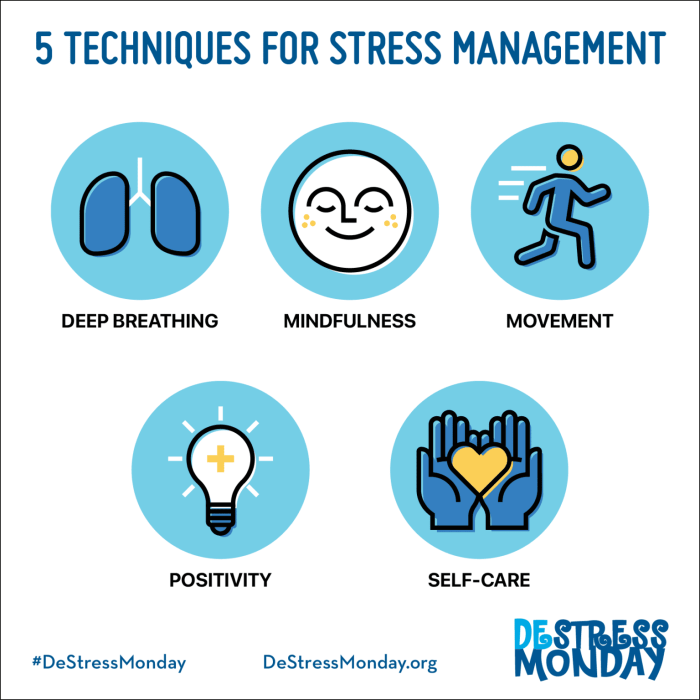
Stress management tips for mental resilience: Strategies to Boost Mental Strength begins by delving into the crucial aspects of maintaining mental resilience in the face of stress, offering practical advice and valuable insights to help readers navigate daily challenges with confidence and composure.
Stress Management Tips for Mental Resilience
Stress management is crucial for maintaining mental resilience in the face of life’s challenges. By effectively handling stress, individuals can improve their ability to bounce back from difficult situations, maintain a positive outlook, and protect their mental well-being.
Strategies for Coping with Stress in Daily Life
- Practice relaxation techniques such as deep breathing, meditation, or yoga to calm the mind and body.
- Engage in regular physical activity to release endorphins and reduce stress levels.
- Establish healthy boundaries to prioritize self-care and avoid overwhelming yourself.
- Seek social support from friends, family, or a therapist to talk through stressful situations.
The Connection Between Stress Management and Mental Health
Effective stress management is closely linked to mental health, as chronic stress can contribute to anxiety, depression, and other mental health disorders. By implementing stress management techniques, individuals can protect their mental well-being and improve their overall quality of life.
Practical Tips for Improving Mental Resilience Through Stress Management
- Practice mindfulness to stay present and focused on the present moment, reducing anxiety about the future.
- Challenge negative thought patterns and reframe them in a more positive light to build resilience.
- Take breaks and prioritize self-care activities to recharge and prevent burnout.
- Set realistic goals and expectations to reduce unnecessary stress and pressure on yourself.
Wellness Programs
Wellness programs are comprehensive initiatives designed to promote overall health and well-being by addressing various aspects of physical, mental, and emotional wellness. These programs typically include a range of activities, resources, and support systems aimed at improving individuals’ quality of life.
Components of a Comprehensive Wellness Program
A comprehensive wellness program may include components such as:
- Physical fitness activities, such as exercise classes, gym memberships, or sports leagues
- Nutritional counseling and healthy eating initiatives
- Mental health resources, such as counseling services or stress management workshops
- Health screenings and preventive care services
- Work-life balance programs, such as flexible work schedules or telecommuting options
- Financial wellness resources, including budgeting workshops and retirement planning seminars
How Wellness Programs Promote Overall Health and Well-being, Stress management tips for mental resilience
Wellness programs promote overall health and well-being by providing individuals with the tools and resources they need to make positive lifestyle changes. By addressing various aspects of wellness, these programs help individuals improve their physical fitness, mental health, and emotional well-being, leading to a higher quality of life.
Benefits of Participating in Wellness Programs
Participating in wellness programs can have numerous benefits, including:
- Improved physical health and fitness
- Reduced stress and anxiety levels
- Increased energy and productivity
- Enhanced mental clarity and focus
- Greater overall happiness and well-being
Examples of Successful Wellness Programs and Their Impact on Individuals
One example of a successful wellness program is the “Healthy Workplace Initiative” implemented by a large corporation. This program offers employees access to fitness classes, healthy eating options in the cafeteria, mental health resources, and work-life balance initiatives. As a result, employees have reported lower stress levels, improved physical fitness, and higher job satisfaction.Another example is the “Mindfulness and Meditation Program” offered by a community center.
This program provides participants with mindfulness training, meditation sessions, and stress management workshops. Participants have reported reduced anxiety, improved focus, and a greater sense of calm and well-being.Overall, successful wellness programs have a positive impact on individuals by empowering them to take control of their health and well-being, leading to happier, healthier, and more productive lives.
Herbal Remedies
When it comes to managing stress, herbal remedies have been used for centuries to promote relaxation and reduce anxiety. These natural remedies offer an alternative approach to traditional medication, providing a gentle way to support mental resilience and overall well-being.
Popular Herbs for Stress Relief
- Lavender: Known for its calming properties, lavender can help reduce stress and improve sleep quality.
- Chamomile: This herb is often used to alleviate anxiety and promote relaxation.
- Ashwagandha: An adaptogenic herb that helps the body manage stress and maintain balance.
Benefits and Risks of Herbal Remedies
Herbal remedies offer a more natural approach to stress management, with potential benefits such as reduced anxiety, improved sleep, and overall relaxation. However, it’s essential to be aware of the potential risks, including allergic reactions and interactions with other medications.
Incorporating Herbal Remedies Safely
- Consult a healthcare professional before starting any herbal remedy to ensure it’s safe for you.
- Start with a low dosage and monitor how your body responds to the herbal remedy.
- Choose high-quality, organic herbs to ensure effectiveness and minimize potential risks.
Skin Health
Stress can have a significant impact on skin health, leading to issues such as acne, eczema, psoriasis, and premature aging. When we are stressed, our body releases cortisol, which can increase oil production in the skin, leading to breakouts. Additionally, stress can weaken the skin’s barrier function, making it more susceptible to environmental damage and irritation.
Skincare Tips for Maintaining Healthy Skin During Stressful Periods
- Avoid harsh skincare products that can further irritate the skin. Opt for gentle, fragrance-free products.
- Stay hydrated by drinking plenty of water to keep the skin hydrated from within.
- Follow a consistent skincare routine, including cleansing, moisturizing, and protecting the skin from the sun.
- Practice stress-reducing activities such as yoga, meditation, or deep breathing exercises to calm the mind and body.
The Importance of Self-Care Routines in Promoting Skin Health
Self-care routines play a crucial role in promoting skin health by reducing stress levels and improving overall well-being. Taking time for yourself, getting enough sleep, eating a balanced diet, and engaging in activities you enjoy can all contribute to healthier skin.
Remember, self-care is not selfish but essential for maintaining a healthy mind and body.
Natural Remedies or Practices to Improve Skin Condition and Reduce Stress
- Use essential oils like lavender or chamomile in a diffuser or added to a bath to promote relaxation and reduce stress.
- Incorporate stress-relieving herbs like ashwagandha or holy basil into your diet or as supplements to help manage stress levels.
- Practice dry brushing to exfoliate the skin and stimulate circulation, promoting a healthy glow and reducing stress.
Bone Density
Maintaining healthy bone density is crucial for overall well-being as it helps prevent fractures, osteoporosis, and other bone-related issues. Stress management plays a significant role in supporting bone health by reducing the release of cortisol, a hormone that can weaken bones over time.
Exercise Recommendations
Regular weight-bearing exercises such as walking, running, dancing, and weightlifting can help strengthen bones and improve bone density. Incorporating resistance training and balance exercises can also contribute to maintaining healthy bones.
Dietary Tips
Eating a balanced diet rich in calcium, vitamin D, and other essential nutrients is essential for bone health. Include dairy products, leafy greens, nuts, seeds, and fortified foods in your meals to support bone density. Limiting caffeine, alcohol, and excessive salt intake can also benefit bone health.
Incorporating Bone-Strengthening Activities
To support bone density within a stress management plan, consider scheduling regular exercise sessions that focus on weight-bearing and resistance training. Make sure to include a variety of bone-strengthening activities throughout the week to promote overall bone health.
Muscle Mass
Stress can have a significant impact on muscle mass, as high levels of stress hormones like cortisol can lead to muscle breakdown and loss. This can result in decreased muscle strength and overall physical health.
Importance of Exercise in Preserving Muscle Mass
Regular exercise plays a crucial role in preserving muscle mass, especially during stressful times. Physical activity helps to stimulate muscle growth, improve muscle strength, and maintain flexibility. By engaging in regular exercise routines, individuals can counteract the negative effects of stress on muscle mass.
- Include both cardiovascular exercises like running or cycling and strength training exercises like weightlifting or bodyweight exercises to maintain muscle mass.
- Focus on compound exercises that target multiple muscle groups, such as squats, deadlifts, and push-ups, to maximize muscle growth and strength.
- Ensure adequate rest periods between workouts to allow muscles to recover and grow effectively.
Maintaining Muscle Strength and Flexibility through Stress Management
Incorporating stress management techniques into your daily routine can help maintain muscle strength and flexibility, even in challenging times. Practices like yoga, meditation, and deep breathing exercises can reduce stress levels and promote relaxation, which benefits overall muscle health.
- Practice mindfulness techniques to stay present and focused, reducing the impact of stress on muscle tension.
- Get an adequate amount of sleep each night to support muscle recovery and growth.
- Stay hydrated and maintain a balanced diet rich in protein, vitamins, and minerals to support muscle health.
Muscle-Building Exercises for Stress Relief
Engaging in specific muscle-building exercises can not only help relieve stress but also promote muscle growth and strength. These exercises can be a great way to unwind and relax while benefiting your physical health.
- Try exercises like bicep curls, tricep dips, or shoulder presses using dumbbells or resistance bands to target specific muscle groups.
- Incorporate bodyweight exercises like planks, lunges, or squats to engage multiple muscles and improve overall strength.
- Consider activities like swimming, hiking, or cycling to work different muscle groups and enjoy stress-relieving benefits.
Dental Care
Stress can have a significant impact on oral health and dental care practices. When under stress, individuals may neglect their oral hygiene routines, leading to issues such as gum disease, cavities, and bad breath. Additionally, stress can contribute to teeth grinding and jaw clenching, which can result in further dental problems.
Maintaining Good Dental Hygiene
- Brush your teeth at least twice a day and floss daily to remove plaque buildup.
- Use a fluoride toothpaste to strengthen tooth enamel and prevent decay.
- Visit your dentist regularly for check-ups and cleanings to catch any issues early.
- Avoid excessive consumption of sugary and acidic foods and drinks that can harm teeth.
Connection Between Stress Management and Oral Health
- Practicing stress management techniques like deep breathing, meditation, or yoga can reduce teeth grinding and jaw clenching.
- High stress levels can weaken the immune system, making it harder for the body to fight oral infections.
Recommendations for Stress-Relieving Activities
- Engage in physical exercise to release endorphins and reduce stress levels.
- Practice mindfulness or relaxation techniques to calm the mind and body.
- Spend time with loved ones or engage in hobbies that bring joy and relaxation.
- Avoid unhealthy coping mechanisms like smoking or excessive alcohol consumption that can harm oral health.
Eye Health
Stress can have a significant impact on eye health and vision. When we are stressed, we tend to strain our eyes more, leading to issues like dry eyes, blurred vision, and headaches. It is essential to take care of our eyes during stressful periods to prevent long-term damage.
Reducing Eye Strain
- Avoid staring at screens for prolonged periods. Follow the 20-20-20 rule: every 20 minutes, look at something 20 feet away for at least 20 seconds.
- Ensure proper lighting when working or reading to reduce eye strain.
- Blink frequently to keep your eyes lubricated and prevent dryness.
- Use artificial tears or eye drops to keep your eyes moist if needed.
Exercises for Eye Health
- Eye yoga exercises, such as palming, blinking, and eye rotations, can help relax the eye muscles and reduce strain.
- Focus on distant objects to give your eyes a break from close-up work.
- Massage your temples gently to relieve tension around the eyes.
- Practice deep breathing exercises to improve overall relaxation, which can benefit eye health.
Importance of Regular Eye Check-ups
Regular eye check-ups are crucial in managing stress-related eye issues. An eye exam can detect changes in your vision and identify potential problems early on. By addressing any issues promptly, you can prevent further complications and ensure optimal eye health.
Mental Clarity
Mental clarity is the state of having a focused and clear mind, free from distractions or mental fog. It is essential for overall well-being as it allows individuals to make decisions, solve problems, and maintain emotional balance effectively.
Enhancing Mental Clarity through Stress Management Techniques
Stress management techniques play a crucial role in enhancing mental clarity by reducing the impact of stressors on the mind. Techniques such as deep breathing, meditation, yoga, and mindfulness can help calm the mind and improve focus and concentration.
- Practice deep breathing exercises to calm the mind and reduce stress levels.
- Engage in regular physical activity to release endorphins and promote mental clarity.
- Establish a daily meditation or mindfulness practice to enhance focus and concentration.
- Adequate sleep and relaxation are essential for mental clarity and cognitive function.
Cognitive Exercises and Mindfulness Practices for Improved Mental Focus
Engaging in cognitive exercises and mindfulness practices can significantly improve mental focus and clarity. These practices help train the brain to stay present and focused, enhancing cognitive function and decision-making abilities.
- Practice mindfulness meditation to increase awareness of thoughts and improve focus.
- Engage in brain games or puzzles to challenge cognitive skills and enhance mental clarity.
- Try visualization techniques to reduce stress and enhance mental focus.
- Journaling can help organize thoughts, reduce mental clutter, and improve mental clarity.
Tips for Achieving Mental Clarity through Stress Reduction Strategies
Reducing stress is key to achieving mental clarity and maintaining overall well-being. By implementing stress reduction strategies, individuals can improve their cognitive function, emotional balance, and decision-making abilities.
Remember to take breaks throughout the day to recharge and refocus the mind.
- Practice time management to reduce feelings of overwhelm and improve mental clarity.
- Establish boundaries to protect your mental space and prioritize self-care.
- Seek social support and connect with others to reduce feelings of isolation and improve mental clarity.
- Engage in hobbies or activities that bring joy and relaxation to promote mental clarity.
Joint Flexibility
Stress can have a significant impact on joint flexibility and mobility. When we are stressed, our muscles tend to tense up, leading to stiffness in the joints. This can result in reduced range of motion and discomfort in daily activities.
Role of Stretching Exercises
Stretching exercises play a crucial role in maintaining joint health during stressful times. Regular stretching helps improve flexibility, increase blood flow to the muscles, and reduce tension in the joints. It can also help alleviate stress and promote relaxation.
- Include stretching exercises in your daily routine to keep your joints flexible and mobile.
- Focus on areas that are prone to stiffness, such as the neck, shoulders, back, hips, and knees.
- Practice gentle yoga or Pilates to improve flexibility and reduce stress levels.
Joint-Friendly Activities
There are various activities that promote relaxation and reduce stress while also being gentle on the joints. These activities can help improve joint flexibility and overall well-being.
- Swimming: A low-impact exercise that promotes relaxation and improves flexibility without putting undue stress on the joints.
- Walking: A simple and effective way to stay active, reduce stress, and maintain joint health.
- Cycling: A great cardiovascular workout that also helps improve joint flexibility and mobility.
Digestive Health
Stress can have a significant impact on digestive health, leading to issues such as bloating, indigestion, and irritable bowel syndrome. When we are stressed, our body releases hormones that can affect the functioning of the digestive system, causing discomfort and inflammation.
Dietary Recommendations for Supporting Digestive Health
- Avoid processed foods high in sugar and unhealthy fats, as they can exacerbate digestive issues.
- Incorporate fiber-rich foods like fruits, vegetables, and whole grains to support healthy digestion.
- Include probiotic-rich foods such as yogurt, kefir, and sauerkraut to promote a healthy gut microbiome.
Stay hydrated by drinking plenty of water throughout the day to aid in digestion.
Importance of Gut Health in Overall Well-being
Maintaining a healthy gut is essential for overall well-being as it plays a crucial role in digestion, nutrient absorption, and immune function. A balanced gut microbiome can help reduce inflammation and support mental health, contributing to better stress management.
Tips for Reducing Stress-Related Digestive Discomfort
- Practice relaxation techniques such as deep breathing, meditation, or yoga to reduce stress levels.
- Avoid overeating and prioritize mindful eating to prevent digestive issues caused by stress.
- Ensure an adequate amount of sleep to promote proper digestion and overall gut health.
Get regular exercise to improve digestion and reduce stress hormones in the body.
Detox Process
When it comes to stress management, understanding the body’s natural detoxification process is essential. This process plays a crucial role in eliminating toxins and waste products, which can accumulate in the body and contribute to feelings of stress and fatigue.
The Impact of Stress on Toxin Buildup
Stress can have a significant impact on toxin buildup in the body. When we are under stress, our bodies may not be able to efficiently eliminate toxins, leading to an increase in toxic load. This buildup can further exacerbate feelings of stress and anxiety, creating a vicious cycle.
Supporting Detox Process Through Healthy Habits
- Adequate hydration: Drinking plenty of water helps flush out toxins from the body.
- Healthy diet: Eating whole, nutrient-dense foods supports the body’s detoxification processes.
- Regular exercise: Physical activity helps stimulate circulation and the lymphatic system, aiding in detoxification.
- Limiting exposure to toxins: Avoiding environmental toxins and pollutants can reduce the body’s toxic burden.
Detoxifying Practices for Mental Resilience
- Deep breathing exercises: Deep breathing helps oxygenate the body and support detoxification at a cellular level.
- Yoga and meditation: These practices can help reduce stress levels and promote overall well-being, supporting the body’s detox processes.
- Herbal teas: Certain herbs like dandelion root or milk thistle can support liver function, aiding in detoxification.
- Sauna or steam room sessions: Sweating helps eliminate toxins through the skin, supporting the body’s natural detox pathways.
Blood Pressure
Stress can have a significant impact on blood pressure levels, potentially leading to hypertension if left unmanaged. It is essential to understand how stress affects blood pressure and the importance of monitoring it for overall health.
Managing Stress for Healthy Blood Pressure
- Practice relaxation techniques such as deep breathing, meditation, or yoga to reduce stress levels.
- Engage in regular physical activity to help lower blood pressure and manage stress.
- Ensure adequate sleep and establish a consistent sleep routine to support overall well-being.
- Limit caffeine and alcohol consumption, as they can contribute to increased blood pressure.
- Seek social support from friends, family, or a therapist to help cope with stress effectively.
Heart Rate
Stress can have a significant impact on heart rate and cardiovascular health. When we experience stress, our body goes into “fight or flight” mode, causing our heart rate to increase in order to pump more blood to our muscles. Prolonged periods of high stress can lead to chronic elevation of heart rate, which can put a strain on the heart and increase the risk of heart disease.
Impact of Stress Management on Heart Rate Variability
One key aspect of stress management is regulating heart rate variability, which refers to the variation in time intervals between heartbeats. High heart rate variability is associated with better cardiovascular health and overall resilience to stress. By practicing relaxation techniques such as deep breathing, meditation, or yoga, we can improve heart rate variability and reduce the negative impact of stress on our heart.
- Deep breathing exercises can help slow down the heart rate and promote relaxation.
- Mindfulness meditation has been shown to reduce stress and improve heart rate variability.
- Regular physical activity, such as aerobic exercise or yoga, can strengthen the heart and improve heart rate regulation.
Heart-Healthy Practices for Mental Resilience
In addition to stress management techniques, adopting heart-healthy practices can also enhance mental resilience and overall well-being. By maintaining a balanced diet, staying physically active, getting enough sleep, and managing other risk factors such as high blood pressure and cholesterol levels, we can support our heart health and build resilience to stress.
- Eating a diet rich in fruits, vegetables, whole grains, and lean proteins can support heart health and reduce the impact of stress on the body.
- Engaging in regular exercise, such as cardio and strength training, can strengthen the heart and improve overall cardiovascular fitness.
- Getting an adequate amount of quality sleep each night is crucial for heart health and stress management.
Health Screenings
Regular health screenings play a crucial role in early detection and prevention of various health conditions. These screenings can help identify potential issues before they become serious, allowing for timely intervention and treatment.
The Influence of Stress Management on Health Screenings
Stress management can significantly impact the results of health screenings. Chronic stress can affect our overall health and well-being, leading to changes in vital signs, blood pressure, and other health markers. By effectively managing stress through relaxation techniques, mindfulness practices, and a healthy lifestyle, individuals can improve the accuracy of their health screenings.
Tips for Scheduling and Prioritizing Health Screenings
- Make a list of recommended screenings based on age, gender, and family history.
- Set reminders or schedule screenings in advance to ensure you don’t miss any appointments.
- Prioritize screenings based on urgency and risk factors to address the most critical health concerns first.
- Consult with your healthcare provider to create a personalized screening schedule tailored to your specific needs.
Types of Health Screenings and Their Benefits
| Health Screening | Benefits |
|---|---|
| Blood Pressure Monitoring | Early detection of hypertension and cardiovascular risk. |
| Cholesterol Test | Assessment of heart health and risk of atherosclerosis. |
| Colonoscopy | Detection of colorectal cancer and precancerous polyps. |
| Mammogram | Screening for breast cancer in women. |
| Pap Smear | Early detection of cervical cancer in women. |
Vaccination Programs
Vaccination programs play a crucial role in maintaining overall health by protecting individuals from serious and potentially life-threatening diseases. Vaccines help the immune system recognize and fight off harmful pathogens, reducing the risk of infection and transmission within communities.
Significance of Vaccination Programs
Vaccination programs are essential for preventing outbreaks of infectious diseases, such as measles, influenza, and polio. By achieving herd immunity through widespread vaccination, vulnerable populations who cannot be vaccinated are also protected. Vaccines have successfully eradicated diseases like smallpox and significantly reduced the prevalence of others, saving countless lives.
Impact of Stress on Vaccination Effectiveness
Stress can weaken the immune system, potentially reducing the effectiveness of vaccines. Chronic stress may impair the body’s ability to mount a robust immune response to the vaccine, increasing the likelihood of infection or reduced immunity. It is crucial to manage stress levels to ensure optimal vaccine efficacy.
Tips for Staying Informed About Vaccination Programs
- Stay updated on vaccination recommendations from reputable health organizations like the CDC or WHO.
- Consult with healthcare providers to understand which vaccines are recommended based on age, health conditions, and travel plans.
- Utilize online resources and vaccination schedules to track when you or your family members are due for vaccines.
- Join local community health initiatives or awareness campaigns to learn more about the importance of vaccination.
Recommendations for Managing Vaccination-Related Stress
- Practice relaxation techniques like deep breathing, meditation, or yoga to reduce anxiety before and after vaccination.
- Seek support from friends, family, or healthcare professionals if you experience vaccine-related anxiety.
- Educate yourself about the safety and efficacy of vaccines to alleviate fears or misconceptions.
- Focus on the benefits of vaccination in protecting yourself and others from preventable diseases.
Healthy Habits
Maintaining healthy habits plays a crucial role in promoting mental resilience and overall well-being. These habits are essential for managing stress effectively and enhancing mental clarity. By incorporating healthy routines into your daily life, you can build a strong foundation for mental well-being.
Examples of Healthy Daily Routines
- Start your day with a nutritious breakfast to fuel your body and mind.
- Stay hydrated by drinking plenty of water throughout the day.
- Get regular exercise to boost your mood and reduce stress levels.
- Practice mindfulness or meditation to calm your mind and increase focus.
- Prioritize quality sleep by establishing a consistent bedtime routine.
Tips for Developing Healthy Habits
- Set specific, achievable goals for your health and well-being.
- Start small and gradually incorporate new habits into your routine.
- Track your progress and celebrate small victories along the way.
- Find activities that you enjoy and make them a regular part of your day.
- Stay consistent and make healthy choices a priority, especially during stressful times.
Benefits of Healthy Habits for Stress Management
- Healthy habits can reduce the impact of stress on your mental and physical health.
- Regular exercise and proper nutrition can boost your resilience to stressors.
- Quality sleep and relaxation techniques can help you cope with daily challenges.
- By maintaining healthy habits, you can improve your overall well-being and mental clarity.
- Consistent self-care practices contribute to long-term mental resilience and stress management.
Balanced Hormones
Having balanced hormones is crucial for both physical and mental health. Hormones play a key role in regulating various bodily functions, including mood, energy levels, metabolism, and stress response.
Impact of Stress on Hormone Levels
When we experience stress, our body releases hormones like cortisol and adrenaline to help us cope with the situation. However, chronic stress can disrupt the normal balance of hormones, leading to issues like anxiety, depression, weight gain, and insomnia.
Tips for Promoting Hormonal Balance
- Avoiding processed foods and sugar, and opting for a balanced diet rich in fruits, vegetables, lean proteins, and healthy fats.
- Incorporating regular exercise into your routine, such as yoga, walking, or strength training, to help regulate hormone levels.
- Getting an adequate amount of quality sleep each night to support hormone production and regulation.
- Practicing stress-reducing activities like meditation, deep breathing, or spending time in nature to lower cortisol levels.
Hormone-Balancing Practices for Mental Resilience
Adopting mindfulness techniques like journaling or gratitude practices can help balance hormones and improve mental well-being.
Seeking support from a therapist or counselor can also aid in managing stress and promoting hormonal balance for better mental resilience.
Health Coaching
Health coaching plays a crucial role in supporting individuals’ well-being by providing personalized guidance and motivation to achieve overall health goals. It focuses on empowering individuals to make positive lifestyle changes and take control of their health.
Benefits of Health Coaching
- Health coaching can help individuals better manage stress and build mental resilience by providing tools and strategies to cope with challenges effectively.
- It offers a supportive and non-judgmental environment for individuals to explore their health concerns and set achievable goals.
- Working with a health coach can lead to improved overall health outcomes, including better physical health, mental well-being, and quality of life.
- Health coaching encourages accountability and helps individuals stay motivated on their health journey through regular check-ins and progress assessments.
Finding a Qualified Health Coach
- When looking for a health coach, consider their credentials, experience, and approach to coaching to ensure they are a good fit for your needs.
- Seek recommendations from trusted sources or professional organizations to find a qualified health coach who aligns with your health goals and values.
- It’s essential to have a consultation with a potential health coach to discuss your expectations, preferences, and concerns before committing to a coaching program.
- Working with a qualified health coach can provide you with the personalized support and guidance needed to make lasting changes and improve your overall health and well-being.
Fitness Goals
Setting fitness goals is essential for both physical and mental well-being. These goals provide a clear direction and motivation to improve overall health and fitness levels. When combined with stress management techniques, achieving fitness goals becomes more attainable as stress can hinder progress and motivation.
Here are some tips for creating realistic and sustainable fitness goals during stressful periods:
Tips for Creating Realistic Fitness Goals
- Start small and gradually increase intensity: Begin with achievable goals and slowly progress to more challenging ones to avoid burnout.
- Focus on consistency over intensity: Regular exercise, even in small amounts, can have a significant impact on physical and mental health.
- Set specific and measurable goals: Define clear objectives such as running a certain distance or lifting a particular weight to track progress effectively.
- Include a variety of exercises: Incorporate different types of workouts to keep things interesting and prevent monotony.
- Listen to your body: Pay attention to how your body responds to exercise and adjust your goals accordingly to prevent injuries.
Exercise Routines for Mental Resilience
- Yoga and meditation: These practices help reduce stress levels, improve focus, and promote mental clarity.
- Cardiovascular exercises: Activities like running, cycling, or swimming release endorphins that elevate mood and reduce anxiety.
- Strength training: Building muscle mass not only improves physical strength but also boosts confidence and self-esteem.
- HIIT workouts: High-intensity interval training is effective for burning calories, improving cardiovascular health, and increasing endurance.
- Outdoor activities: Connecting with nature through activities like hiking or trail running can enhance mental well-being and reduce stress.
Diet Planning
The role of balanced nutrition in stress management and mental resilience is crucial. What we eat directly impacts our physical and mental health, affecting our ability to cope with stress and bounce back from challenges. Making healthy dietary choices can significantly reduce stress levels and improve overall well-being.
Benefits of Balanced Nutrition
Eating a balanced diet rich in essential nutrients can help regulate mood, reduce anxiety, and increase energy levels. Incorporating stress-reducing foods into your meals can provide the necessary nutrients to support mental health and resilience.
- Include complex carbohydrates like whole grains, fruits, and vegetables to stabilize blood sugar levels and promote serotonin production, which helps regulate mood.
- Omega-3 fatty acids found in fatty fish, flaxseeds, and walnuts can reduce inflammation and support brain health, improving cognitive function and reducing stress.
- Protein sources like lean meats, poultry, beans, and legumes can aid in neurotransmitter production, which plays a role in mood regulation and stress management.
- A diet rich in antioxidants from colorful fruits and vegetables can help combat oxidative stress and protect the brain from damage caused by stress.
Health Supplements
Taking health supplements can be beneficial for mental resilience as they provide essential nutrients that support overall well-being. It is important to consider incorporating supplements into your daily routine to ensure you are getting all the necessary vitamins and minerals to combat stress and improve mental clarity.
Popular Stress-Relieving Supplements
- Omega-3 fatty acids: Known for their anti-inflammatory properties, omega-3s help reduce anxiety and improve mood.
- Probiotics: Supporting gut health, probiotics can positively impact mental health and reduce symptoms of stress.
- Ashwagandha: An adaptogenic herb that helps the body manage stress and anxiety levels.
- L-theanine: Found in green tea, this amino acid promotes relaxation and reduces stress without causing drowsiness.
Tips for Incorporating Supplements into Your Diet
- Consult with a healthcare professional to determine which supplements are best for your individual needs.
- Choose high-quality supplements from reputable brands to ensure purity and effectiveness.
- Integrate supplements into your daily routine by taking them with meals to enhance absorption.
- Monitor your body’s response to supplements and adjust dosage as needed for optimal results.
Consulting Healthcare Professionals
Before adding any new supplements to your regimen, it is crucial to seek guidance from a healthcare professional. They can provide personalized recommendations based on your health goals, existing conditions, and potential interactions with medications.
Breathing Techniques
Breathing techniques play a crucial role in stress management and relaxation. By focusing on our breath, we can calm our minds, reduce anxiety, and improve mental resilience. Different breathing exercises can help us achieve a state of calmness and inner peace, allowing us to better cope with stressors in our daily lives.
Calming Breathing Techniques
- One effective technique is diaphragmatic breathing, also known as belly breathing. To practice this, sit or lie down comfortably, place one hand on your chest and the other on your abdomen. Inhale deeply through your nose, allowing your abdomen to rise, then exhale slowly through your mouth, feeling your abdomen fall.
Repeat this for several minutes to promote relaxation and reduce stress.
- Another helpful exercise is box breathing, where you inhale for a count of four, hold your breath for four, exhale for four, and then hold for four again. This pattern can help regulate your breathing and calm your mind.
Mindfulness Techniques
- Mindful breathing involves focusing all your attention on the act of breathing, observing each breath without judgment. This practice can help you stay present in the moment, reduce racing thoughts, and enhance your overall well-being.
- Progressive muscle relaxation combined with deep breathing can also be beneficial for stress relief. By tensing and then releasing different muscle groups while breathing deeply, you can promote relaxation throughout your body.
Disease Prevention: Stress Management Tips For Mental Resilience
Preventing diseases is crucial for maintaining overall health and well-being. By taking proactive measures and making healthy lifestyle choices, individuals can reduce their risk of developing various illnesses.
Importance of Disease Prevention
Preventive strategies are essential for promoting longevity and quality of life. They involve identifying risk factors and taking steps to avoid or minimize them before they lead to serious health issues.
- Regular exercise and physical activity help strengthen the immune system and improve overall health.
- A balanced diet rich in fruits, vegetables, whole grains, and lean proteins provides essential nutrients to support the body’s functions and prevent chronic diseases.
- Adequate sleep is crucial for proper immune function, cognitive health, and overall well-being.
Role of Stress Management in Disease Prevention
Stress can have a significant impact on physical and mental health, making it essential to manage stress effectively to prevent diseases.
- Practicing relaxation techniques such as deep breathing, meditation, and yoga can help reduce stress levels and promote overall well-being.
- Engaging in activities that bring joy and relaxation, such as hobbies, spending time in nature, or socializing with loved ones, can help lower stress and boost immunity.
Tips for Reducing Risk of Illnesses
By incorporating healthy habits into daily routines and managing stress effectively, individuals can reduce the likelihood of developing various diseases.
- Stay physically active by exercising regularly and maintaining a healthy weight.
- Eat a nutritious diet that includes a variety of foods to ensure adequate intake of essential nutrients.
- Get regular health screenings and check-ups to detect any potential health issues early on.
Examples of Preventive Measures
Implementing preventive measures can support mental resilience and overall well-being, reducing the risk of developing illnesses.
- Practicing mindfulness and stress reduction techniques to enhance mental clarity and emotional well-being.
- Engaging in regular physical activity to promote joint flexibility, muscle mass, and bone density.
- Following a balanced diet and staying hydrated to support digestive health and the body’s detox process.
Pain Management
Stress and pain are closely interconnected, as stress can exacerbate physical pain and discomfort in individuals. When stress levels are high, the body releases cortisol, which can increase inflammation and sensitivity to pain. Therefore, managing stress effectively is crucial for managing pain and promoting overall well-being.
Relationship between Stress, Pain, and Pain Management Techniques
- Practicing relaxation techniques such as deep breathing, meditation, or yoga can help reduce stress levels and alleviate pain.
- Regular exercise, especially low-impact activities like walking or swimming, can release endorphins that act as natural painkillers and improve mood.
- Engaging in stress reduction activities like mindfulness, journaling, or spending time in nature can help lower cortisol levels and decrease pain perception.
Pain-Relieving Practices for Mental Resilience
- Massage therapy: Regular massages can help relax muscles, improve circulation, and reduce pain intensity.
- Aromatherapy: Essential oils like lavender or peppermint can be used to alleviate pain, reduce stress, and promote relaxation.
- Acupuncture: This traditional Chinese medicine technique involves inserting thin needles into specific points on the body to relieve pain and restore balance.
Holistic Treatments
Holistic treatments focus on treating the individual as a whole, addressing the physical, mental, emotional, and spiritual aspects of health. These treatments aim to restore balance and promote overall well-being, including mental resilience.
Benefits of Holistic Approaches
- Address root causes: Holistic treatments look beyond symptoms to identify and address the underlying causes of stress and mental health issues.
- Individualized care: Holistic therapies are tailored to each person’s unique needs, promoting a personalized approach to mental resilience.
- Complementary therapies: Holistic practices often combine various techniques such as acupuncture, meditation, yoga, and nutrition to provide comprehensive care.
- Promote self-awareness: Holistic treatments encourage individuals to connect with their bodies and emotions, fostering self-awareness and mindfulness.
Holistic Therapies for Mental Health
- Acupuncture: This traditional Chinese medicine practice involves inserting thin needles into specific points on the body to promote energy flow and reduce stress.
- Meditation: Mindfulness meditation can help calm the mind, improve focus, and reduce symptoms of anxiety and depression.
- Yoga: Practicing yoga can enhance flexibility, strength, and relaxation, providing a holistic approach to mental and physical well-being.
- Aromatherapy: Using essential oils for relaxation and stress relief can support mental health and emotional balance.
Integrating Holistic Treatments
- Consult a holistic practitioner: Work with a qualified professional to create a personalized plan that integrates various holistic therapies.
- Combine with conventional treatments: Holistic approaches can complement traditional medical interventions for a comprehensive stress management plan.
- Embrace lifestyle changes: Adopting healthy habits like regular exercise, balanced nutrition, and adequate sleep can enhance the benefits of holistic treatments.
Mental Resilience
Mental resilience refers to the ability to adapt well to stress, adversity, trauma, or tragedy. It involves bouncing back from difficult experiences and maintaining a positive mindset despite challenges. Developing mental resilience is crucial for overall well-being and can help individuals navigate life’s ups and downs with greater ease.
Characteristics of Mentally Resilient Individuals
- Optimism: Mentally resilient individuals tend to have a positive outlook on life and believe in their ability to overcome obstacles.
- Adaptability: They are flexible and able to adjust to new situations and changes effectively.
- Emotional Intelligence: Resilient people can identify and manage their emotions in a healthy way, which helps them cope with stress.
- Problem-solving Skills: They are resourceful and can find solutions to challenges rather than feeling overwhelmed.
- Strong Support System: Having a network of supportive relationships is crucial for building mental resilience.
Strategies for Building Mental Resilience
- Practice Mindfulness: Mindfulness techniques such as meditation and deep breathing can help reduce stress and enhance resilience.
- Cultivate Positive Relationships: Surround yourself with supportive and uplifting individuals who encourage personal growth.
- Set Realistic Goals: Break down larger goals into smaller, manageable tasks to build confidence and resilience along the way.
- Take Care of Your Physical Health: Regular exercise, proper nutrition, and sufficient sleep play a vital role in mental resilience.
Tips for Enhancing Mental Resilience through Stress Management Techniques
- Practice Relaxation Techniques: Engage in activities like yoga, tai chi, or progressive muscle relaxation to unwind and reduce stress.
- Develop Healthy Coping Mechanisms: Find healthy ways to cope with stress, such as journaling, talking to a friend, or engaging in a hobby.
- Seek Professional Help: If stress becomes overwhelming, don’t hesitate to reach out to a mental health professional for support and guidance.
- Stay Positive: Focus on the things you can control and maintain a positive attitude even in challenging times.
Ending Remarks
In conclusion, Stress management tips for mental resilience: Strategies to Boost Mental Strength encapsulates the essence of fortifying mental well-being through effective stress management techniques, empowering individuals to cultivate a resilient mindset and thrive amidst life’s pressures.
Questions Often Asked
How can stress management improve mental resilience?
By implementing stress management techniques, individuals can develop coping strategies, enhance emotional well-being, and build mental fortitude to navigate challenging situations effectively.
What are some practical tips for improving mental resilience through stress management?
Some practical tips include practicing mindfulness, engaging in regular physical activity, maintaining a healthy lifestyle, and seeking social support when needed.
How does stress management impact overall mental health?
Effective stress management can lead to reduced anxiety levels, improved mood, better cognitive function, and enhanced overall mental wellness.