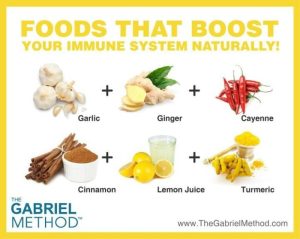
Kicking off with Digestive enzymes for better nutrient absorption, this topic delves into the crucial role of digestive enzymes in promoting optimal nutrient absorption for overall well-being. From exploring different types of enzymes to discussing their sources and benefits, this comprehensive guide sheds light on how digestive enzymes can revolutionize your health.
Introduction to Digestive Enzymes for Better Nutrient Absorption
Digestive enzymes are proteins produced by the body to aid in the digestion and absorption of nutrients from the food we eat. These enzymes play a crucial role in breaking down carbohydrates, proteins, and fats into smaller molecules that can be easily absorbed by the body.
The Role of Digestive Enzymes in Nutrient Absorption
Digestive enzymes work by speeding up the breakdown of food into nutrients that can be readily absorbed by the intestines. For example, amylase helps break down carbohydrates into sugars, protease breaks down proteins into amino acids, and lipase breaks down fats into fatty acids and glycerol.
Without these enzymes, our bodies would struggle to extract essential nutrients from the food we consume.
Importance of Optimal Nutrient Absorption for Overall Health
Optimal nutrient absorption is crucial for maintaining overall health and well-being. When we lack the necessary digestive enzymes to break down food effectively, we may experience nutrient deficiencies, digestive issues, and other health problems. By ensuring proper digestion and absorption of nutrients, we support our body’s ability to function optimally and stay healthy.
Types of Digestive Enzymes and Their Functions
Digestive enzymes play a crucial role in breaking down food into nutrients that can be absorbed by the body. There are several types of digestive enzymes, each with specific functions in the digestion process.
Amylase
Amylase is an enzyme that helps break down carbohydrates into simple sugars like glucose. It is produced in the mouth by salivary glands and in the pancreas. Amylase begins the digestion of carbohydrates in the mouth and continues in the small intestine.
Protease
Protease enzymes are responsible for breaking down proteins into amino acids. They are produced in the stomach, pancreas, and small intestine. Protease enzymes help in the digestion of proteins from various food sources.
Lipase
Lipase is an enzyme that breaks down fats into fatty acids and glycerol. It is produced in the pancreas and helps in the digestion of fats in the small intestine. Lipase plays a crucial role in the absorption of essential fatty acids.Each type of enzyme targets specific macronutrients for absorption.
Amylase focuses on carbohydrates, protease on proteins, and lipase on fats. Together, these enzymes ensure that the nutrients from food are broken down into smaller components that can be easily absorbed by the body for energy and other essential functions.
Sources of Digestive Enzymes: Digestive Enzymes For Better Nutrient Absorption
Consuming foods rich in digestive enzymes can greatly benefit your digestion and overall health. These enzymes help break down food into smaller, more easily absorbable nutrients, aiding in better nutrient absorption and overall digestive function.
Natural Food Sources Rich in Digestive Enzymes
There are several natural food sources that are rich in digestive enzymes, including:
- Pineapple: Contains bromelain, which aids in protein digestion.
- Papaya: Contains papain, which helps break down proteins.
- Kiwi: Contains actinidain, which aids in protein digestion.
- Sauerkraut: Contains enzymes that help break down carbohydrates.
Benefits of Consuming Enzyme-Rich Foods for Digestion
Consuming enzyme-rich foods can have several benefits for digestion, including:
- Improved nutrient absorption: Enzymes help break down food into smaller particles, making it easier for the body to absorb nutrients.
- Reduced bloating and gas: Proper digestion can help reduce digestive discomfort such as bloating and gas.
- Support for overall gut health: Enzymes play a key role in maintaining a healthy gut microbiome.
Enzyme Supplements for Individuals with Digestive Issues
For individuals with digestive issues or conditions that affect enzyme production, enzyme supplements can be a helpful option. These supplements provide additional enzymes to aid in digestion and nutrient absorption, potentially alleviating symptoms such as bloating, gas, and indigestion.
Factors Affecting Digestive Enzyme Production
Age, lifestyle choices, and overall health can significantly impact the body’s ability to produce digestive enzymes. These factors play a crucial role in maintaining a healthy balance for optimal digestion.
Impact of Age on Enzyme Production
As we age, the body’s natural production of digestive enzymes tends to decline. This decrease can result in poor digestion and nutrient absorption, leading to various digestive issues. It is essential for older individuals to supplement their enzyme levels through diet or enzyme supplements to support proper digestion.
Lifestyle Factors Influencing Enzyme Production
Stress, diet, and overall lifestyle choices can affect enzyme production in the body. Chronic stress can hinder enzyme secretion and disrupt the digestive process. A diet high in processed foods and low in whole, nutrient-dense foods can also impact enzyme production.
Maintaining a healthy lifestyle with balanced nutrition and stress-management techniques is crucial for optimal enzyme production.
Importance of Maintaining a Healthy Enzyme Balance
Ensuring a healthy balance of digestive enzymes is essential for efficient digestion and nutrient absorption. Enzymes help break down food into smaller molecules that the body can easily absorb and utilize. Without sufficient enzyme production, nutrients may not be properly digested and absorbed, leading to nutrient deficiencies and digestive discomfort.
By supporting enzyme production through diet, lifestyle choices, and supplementation when necessary, individuals can promote better digestion and overall health.
Benefits of Improved Nutrient Absorption
Improved nutrient absorption plays a crucial role in enhancing overall wellness by ensuring that the body receives the necessary vitamins, minerals, and other nutrients it needs to function optimally.
Impact on Specific Health Aspects
Optimal nutrient absorption has a significant impact on various health aspects, including:
- Skin Health: Proper absorption of nutrients can result in healthier skin, as essential vitamins and minerals contribute to skin regeneration and repair.
- Bone Density: Adequate nutrient absorption is essential for maintaining strong and healthy bones, which is crucial for preventing conditions like osteoporosis.
- Muscle Mass: Nutrient absorption is vital for muscle growth and repair, enabling individuals to build and maintain muscle mass effectively.
Contribution of Digestive Enzymes
Digestive enzymes play a key role in improving nutrient absorption by breaking down food into smaller molecules that can be easily absorbed by the body. These enzymes help in the digestion of proteins, fats, and carbohydrates, ensuring that the nutrients are efficiently utilized by the body for various functions.
Integrating Digestive Enzymes into Wellness Programs
Digestive enzymes play a crucial role in ensuring optimal nutrient absorption and overall digestive health. Integrating digestive enzymes into wellness programs can enhance the effectiveness of holistic approaches to well-being by addressing the root cause of nutrient deficiencies and digestive issues.
Benefits of Including Enzyme Supplementation in Wellness Programs
- Improved Nutrient Absorption: Enzyme supplementation can help individuals better digest and absorb essential nutrients from their food, leading to increased energy levels and overall health.
- Reduced Digestive Discomfort: Digestive enzymes can alleviate symptoms of bloating, gas, and indigestion by supporting the breakdown of food and easing the digestive process.
- Enhanced Overall Wellness: By supporting optimal digestion, enzyme supplementation can contribute to improved immune function, mood regulation, and cognitive performance.
Examples of Wellness Programs Emphasizing Digestive Health
- Functional Medicine Programs:Many functional medicine practitioners incorporate digestive enzyme support as part of their holistic treatment plans, recognizing the importance of gut health in overall well-being.
- Integrative Nutrition Programs:Integrative nutrition programs often focus on the role of digestive enzymes in enhancing nutrient absorption and promoting optimal health through a balanced diet and supplementation.
- Wellness Retreats:Wellness retreats that prioritize digestive health may offer workshops, meal plans, and supplements aimed at improving digestion and nutrient utilization for participants.
Herbal Remedies to Support Digestive Health
Digestive health is crucial for overall well-being, and herbal remedies have been used for centuries to support digestion and enzyme function. These natural solutions can complement the effects of digestive enzymes, aiding in better nutrient absorption and overall gut health.
Herbs Known for Digestive Benefits
- Peppermint: Known for its soothing properties, peppermint can help relax the muscles of the digestive tract and promote healthy digestion.
- Ginger: A powerful anti-inflammatory herb, ginger can aid in relieving digestive issues such as bloating, gas, and indigestion.
- Fennel: Fennel seeds are often used to alleviate digestive discomfort and promote the production of digestive enzymes.
Complementing Effects of Herbal Remedies
- Herbal remedies can work synergistically with digestive enzymes to enhance nutrient absorption and alleviate digestive issues.
- They can help address specific digestive concerns such as bloating, gas, and stomach cramps, providing holistic support for gut health.
- By incorporating herbs into your diet or wellness routine, you can promote overall digestive wellness and improve nutrient uptake.
Traditional Practices of Using Herbs for Digestion
- In traditional medicine systems like Ayurveda and Traditional Chinese Medicine, herbs have long been used to support digestion and optimize nutrient absorption.
- Herbal teas, tinctures, and supplements are common ways to incorporate digestive-supporting herbs into daily routines.
- Specific herbal blends or formulas may be tailored to individual digestive needs, providing personalized support for optimal gut health.
Promoting Digestive Health for Better Skin Health
Healthy skin is often a reflection of good internal health, and one of the key factors that influence skin health is digestive health. The connection between the two is undeniable, as the nutrients absorbed through digestion play a crucial role in maintaining skin health and appearance.
The Role of Digestive Enzymes in Skin Health
- Optimizing nutrient absorption through digestive enzymes can directly impact skin health. When the body effectively absorbs essential vitamins, minerals, and antioxidants, it helps in promoting youthful, glowing skin.
- Enzymes like lipase, protease, and amylase work to break down fats, proteins, and carbohydrates respectively, aiding in the digestion and absorption of nutrients that are essential for skin health.
- Improved digestion can also reduce inflammation in the body, which is often linked to skin conditions like acne, eczema, and psoriasis.
Tips for Promoting Healthy Skin Through Improved Digestion
- Stay hydrated: Drinking an adequate amount of water supports digestion and helps maintain skin hydration.
- Eat a balanced diet: Include a variety of fruits, vegetables, whole grains, and lean proteins to ensure you are getting essential nutrients for skin health.
- Consider probiotics: Probiotic-rich foods or supplements can help maintain a healthy gut microbiome, which is crucial for proper digestion and skin health.
- Avoid trigger foods: Certain foods like processed sugars, dairy, and gluten can exacerbate skin conditions, so it’s important to identify and reduce consumption of these triggers.
- Manage stress: Stress can affect digestion and lead to skin issues, so incorporating stress-reducing activities like yoga, meditation, or exercise can benefit both gut and skin health.
Enhancing Bone Density and Muscle Mass through Nutrient Absorption
Proper bone density and muscle mass maintenance are crucial for overall health and functionality. Nutrients play a vital role in supporting the growth and strength of bones and muscles. Digestive enzymes can help optimize the absorption of these essential nutrients, contributing to improved bone density and muscle mass.
The Role of Nutrients in Bone Density and Muscle Mass Maintenance
Nutrients like calcium, vitamin D, magnesium, and protein are essential for bone health and muscle function. Calcium is necessary for bone formation and strength, while vitamin D aids in calcium absorption. Magnesium supports bone density and muscle relaxation, and protein is crucial for muscle repair and growth.
- Calcium: Supports bone formation and strength.
- Vitamin D: Aids in calcium absorption.
- Magnesium: Supports bone density and muscle relaxation.
- Protein: Essential for muscle repair and growth.
How Digestive Enzymes Maximize Nutrient Uptake for Bone and Muscle Health
Digestive enzymes help break down nutrients in food into smaller molecules that can be easily absorbed by the body. By enhancing the digestion and absorption of nutrients like calcium, vitamin D, magnesium, and protein, digestive enzymes support the optimal functioning of bones and muscles.
- Digestive enzymes break down nutrients for better absorption.
- Enhanced digestion supports the absorption of essential nutrients for bone and muscle health.
- Optimal nutrient uptake contributes to improved bone density and muscle mass.
The Importance of Proper Digestion for Supporting Strong Bones and Muscles
Proper digestion is essential for ensuring that the body can effectively utilize the nutrients needed for bone density and muscle mass maintenance. Digestive enzymes play a key role in breaking down nutrients, allowing the body to absorb and utilize them efficiently for the growth, repair, and strength of bones and muscles.
- Effective digestion is crucial for the absorption of nutrients necessary for bone and muscle health.
- Digestive enzymes facilitate the breakdown of nutrients to support strong bones and muscles.
- Optimizing digestion enhances nutrient absorption for improved bone density and muscle mass.
Dental Care and Digestive Enzymes
Proper dental care is crucial for overall health, but many people may not realize the connection between oral health, digestion, and enzyme production. Digestive enzymes play a significant role in breaking down food in the mouth and throughout the digestive tract, impacting not only digestion but also oral hygiene and dental health.
The Relationship Between Oral Health, Digestion, and Enzyme Production
Enzymes such as amylase, found in saliva, help break down carbohydrates in the mouth before reaching the stomach. This initial breakdown aids in proper digestion and nutrient absorption, which can have a direct impact on overall health, including dental health.
How Digestive Enzymes Can Impact Oral Hygiene and Dental Health
- Digestive enzymes help ensure that food particles are properly broken down, reducing the risk of plaque build-up and cavities.
- Improved digestion and nutrient absorption can lead to stronger teeth and gums, as essential nutrients are better utilized by the body.
- Enzyme production can also influence the pH balance in the mouth, potentially reducing the risk of tooth decay and gum disease.
Tips for Maintaining Healthy Teeth and Gums Through Proper Digestion and Nutrient Absorption
- Chew food thoroughly to kickstart the digestive process and aid in enzyme action.
- Stay hydrated to support saliva production, which contains important digestive enzymes.
- Incorporate enzyme-rich foods like pineapple, papaya, and fermented vegetables into your diet to support digestion.
- Consider supplementing with digestive enzymes if needed, especially if you have digestive issues or nutrient absorption concerns.
Eye Health and Nutrient Absorption
When it comes to maintaining optimal eye health, specific nutrients play a crucial role in supporting vision and overall well-being. Digestive enzymes are essential in the absorption of these vital nutrients, ensuring that our eyes receive the necessary support for proper function.
Importance of Specific Nutrients for Eye Health
- Vitamin A: Essential for good vision and overall eye health.
- Omega-3 fatty acids: Help protect eyes from age-related decline.
- Lutein and zeaxanthin: Support macular health and protect against harmful light.
Various nutrients are key to supporting eye health, including:
Role of Digestive Enzymes in Absorbing Essential Nutrients
- Proteases: Aid in the digestion of proteins, which are essential for maintaining eye structure.
- Lipases: Assist in the breakdown of fats, helping the body absorb fat-soluble vitamins like Vitamin A for eye health.
- Amylases: Help in digesting carbohydrates, providing energy needed for optimal eye function.
Digestive enzymes break down food into nutrients that can be absorbed by the body, including those crucial for eye health:
Impact of Optimal Nutrient Absorption on Eye Health
- Improved vision and overall eye function.
- Reduced risk of eye diseases such as macular degeneration and cataracts.
- Enhanced protection against harmful UV rays and oxidative stress.
Optimal absorption of nutrients through the help of digestive enzymes can lead to:
Mental Clarity and Digestive Enzymes
Maintaining mental clarity is essential for overall well-being, and the connection between gut health, nutrient absorption, and cognitive function is crucial in achieving this balance. Digestive enzymes play a significant role in supporting brain health by aiding in the breakdown and absorption of nutrients that are essential for cognitive function.
Supporting Cognitive Function with Digestive Enzymes
Digestive enzymes help break down carbohydrates, proteins, and fats into smaller molecules that can be easily absorbed by the body. This process ensures that essential nutrients reach the brain, supporting optimal cognitive function. Enzymes like amylase, protease, and lipase play key roles in this process.
- Amylase: Breaks down carbohydrates into simple sugars that provide energy to the brain.
- Protease: Helps in the digestion of proteins, which are essential for neurotransmitter function and brain health.
- Lipase: Aids in the breakdown of fats into fatty acids that support brain cell structure and function.
Enhancing Mental Clarity through Improved Digestion
Efficient digestion and nutrient absorption are essential for maintaining mental clarity. By incorporating digestive enzymes into your wellness routine, you can support your gut health and ensure that your brain receives the necessary nutrients for optimal cognitive function.
- Opt for enzyme-rich foods like papaya, pineapple, and fermented vegetables to naturally boost your enzyme levels.
- Consider taking a high-quality digestive enzyme supplement to support your body’s natural digestive processes.
- Practice mindful eating habits, such as chewing your food thoroughly and eating in a relaxed environment, to aid digestion and nutrient absorption.
Joint Flexibility and Digestive Enzymes
Nutrients play a crucial role in supporting joint health and flexibility. Adequate intake of essential vitamins, minerals, and amino acids is necessary for the proper functioning of joints and connective tissues. However, even with a balanced diet, the absorption of these nutrients can be hindered without efficient digestive enzymes.
The Role of Digestive Enzymes in Nutrient Absorption for Joint Health
Digestive enzymes aid in breaking down food into smaller molecules that can be easily absorbed by the body. This breakdown process is essential for extracting nutrients such as collagen, glucosamine, chondroitin, and omega-3 fatty acids that are vital for maintaining joint flexibility and mobility.
- Collagen: Digestive enzymes help in breaking down collagen-rich foods like bone broth, which provides essential amino acids for building and repairing joint tissues.
- Glucosamine and Chondroitin: These nutrients support joint cushioning and lubrication, and digestive enzymes facilitate their absorption from foods like shellfish and bone-in meats.
- Omega-3 Fatty Acids: Enzymes assist in extracting omega-3s from sources like fatty fish, walnuts, and flaxseeds, which help reduce inflammation in joints.
Impact of Optimal Nutrient Absorption on Joint Flexibility
Optimal nutrient absorption ensures that the body receives an adequate supply of nutrients necessary for maintaining joint flexibility and mobility. When essential vitamins, minerals, and amino acids are effectively absorbed, joints are better nourished, reducing the risk of stiffness, inflammation, and degeneration.
- Improved Collagen Production: Efficient digestion and absorption of collagen-building nutrients contribute to the synthesis of new collagen, enhancing joint strength and flexibility.
- Enhanced Lubrication: Nutrients like glucosamine and chondroitin, absorbed with the help of digestive enzymes, support joint lubrication, reducing friction and promoting smooth movement.
- Reduced Inflammation: Omega-3 fatty acids, when absorbed properly, help in reducing inflammation in joints, alleviating pain and stiffness associated with conditions like arthritis.
Detox Process and Digestive Enzymes
When it comes to supporting the body’s natural detoxification processes, digestive enzymes play a crucial role in breaking down toxins and aiding in their elimination. By improving digestion and nutrient absorption, these enzymes can enhance the overall detox process.
Role of Enzymes in Detoxification
- Enzymes help break down toxins into smaller, more manageable molecules that can be easily eliminated from the body.
- They support the liver in processing and neutralizing harmful substances, making it easier for the body to eliminate them.
- Enzymes also aid in the breakdown of waste and promote regular bowel movements, which are essential for detoxification.
Tips for Enhancing Detoxification
- Include enzyme-rich foods in your diet, such as pineapple, papaya, and fermented vegetables, to support the body’s natural detox processes.
- Stay hydrated to help flush out toxins more effectively and support the work of digestive enzymes.
- Consider incorporating digestive enzyme supplements to ensure optimal digestion and nutrient absorption, enhancing the detox process.
Blood Pressure, Heart Rate, and Nutrient Absorption
Nutrient absorption plays a crucial role in regulating blood pressure and heart rate by providing the essential components needed for cardiovascular health. Optimal absorption of nutrients is key in maintaining a healthy heart and circulatory system. Digestive enzymes can aid in maximizing the benefits of these essential nutrients for heart health.
Influence of Nutrients on Blood Pressure and Heart Rate Regulation
Nutrients such as potassium, magnesium, and omega-3 fatty acids have been linked to lower blood pressure and heart rate. Potassium helps to regulate fluid balance in the body, while magnesium contributes to proper muscle function, including the heart. Omega-3 fatty acids support heart health by reducing inflammation and improving blood flow.
Connection Between Nutrient Absorption and Cardiovascular Health
Optimal absorption of nutrients is essential for cardiovascular health as it ensures that the heart receives the necessary nutrients to function properly. Poor absorption can lead to deficiencies in key nutrients that are vital for heart health, increasing the risk of cardiovascular diseases such as hypertension and heart disease.
Role of Digestive Enzymes in Maximizing Benefits for Heart Health
Digestive enzymes play a crucial role in breaking down nutrients from food into smaller molecules that can be easily absorbed by the body. By enhancing the digestion and absorption of nutrients, digestive enzymes help maximize the benefits of essential nutrients for heart health.
This ultimately supports overall cardiovascular function and reduces the risk of heart-related conditions.
Health Screenings and Digestive Enzyme Balance
Maintaining a healthy balance of digestive enzymes is crucial for overall health and can have a significant impact on the results of health screenings. When enzyme levels are imbalanced, it can lead to various digestive issues that may affect nutrient absorption and overall well-being.
Potential Impact of Digestive Enzyme Imbalances on Health Screenings
- Imbalances in digestive enzymes can result in poor nutrient absorption, leading to deficiencies that may be reflected in blood tests.
- Enzyme deficiencies can also cause digestive symptoms such as bloating, gas, and irregular bowel movements, which may be flagged during health screenings.
- Certain enzyme deficiencies can impact the metabolism of specific nutrients, affecting cholesterol levels, blood sugar regulation, and other markers measured in health screenings.
Maintaining a Healthy Enzyme Balance for Positive Health Screening Results
- Optimizing enzyme levels can improve nutrient absorption, ensuring that essential vitamins and minerals are properly utilized by the body.
- A balanced enzyme profile can support healthy digestion, reducing the likelihood of gastrointestinal issues that may be detected in health screenings.
- Proper enzyme function can enhance overall metabolic processes, leading to more favorable results in tests measuring various health parameters.
Optimizing Nutrient Absorption Through Enzymes for Overall Health Assessment
- Enhanced nutrient absorption can support proper cell function and tissue repair, contributing to overall health and well-being.
- Improved enzyme activity can help prevent nutrient deficiencies that may impact organ function and systemic health, positively influencing health screening outcomes.
- By promoting optimal nutrient absorption through balanced enzyme levels, individuals can potentially reduce the risk of chronic diseases and maintain better overall health.
Vaccination Programs and Nutrient Absorption
When it comes to vaccination programs, the relationship between nutrient absorption, immune function, and vaccine effectiveness is crucial. Proper nutrition and digestion play a significant role in ensuring optimal outcomes from vaccinations.
The Role of Digestive Enzymes in Supporting Immune Response
- Digestive enzymes help break down food into nutrients that are essential for overall health, including immune function.
- Optimal nutrient absorption supports the immune system’s ability to respond effectively to vaccines by providing the necessary building blocks for a robust immune response.
- Enzymes such as proteases, lipases, and amylases aid in the digestion and absorption of proteins, fats, and carbohydrates, respectively, which are vital for immune function.
Importance of Proper Nutrition for Vaccine Outcomes
- A well-balanced diet rich in essential nutrients like vitamins, minerals, and antioxidants is essential for maintaining a healthy immune system.
- Poor nutrient absorption due to digestive issues can hinder the body’s ability to mount an effective immune response to vaccines, potentially reducing their effectiveness.
- Ensuring optimal nutrient absorption through the use of digestive enzymes can help support the immune system’s response to vaccinations and improve overall vaccine outcomes.
Healthy Habits and Digestive Enzymes
Adopting healthy lifestyle habits can significantly contribute to promoting digestive health and ensuring optimal nutrient absorption. These habits work hand in hand with digestive enzymes to support the body’s ability to utilize nutrients from the food we consume.
1. Balanced Diet
A well-rounded diet rich in fruits, vegetables, whole grains, lean proteins, and healthy fats provides essential nutrients necessary for the body’s functions. This balanced diet helps in maintaining optimal digestive enzyme production and activity.
2. Hydration
Drinking an adequate amount of water throughout the day is crucial for proper digestion and nutrient absorption. Water helps in the breakdown of food and the transport of nutrients to cells, enhancing the effectiveness of digestive enzymes.
3. Regular Physical Activity
Engaging in regular exercise not only promotes overall health but also stimulates the production of digestive enzymes. Physical activity helps in maintaining a healthy digestive system, aiding in the absorption of nutrients from food.
4. Stress Management
Chronic stress can negatively impact digestion and nutrient absorption. Practicing stress-reducing techniques such as meditation, yoga, or deep breathing exercises can support the function of digestive enzymes and improve nutrient uptake.
Balanced Hormones and Digestive Enzymes
Hormone balance plays a crucial role in various physiological functions within the body. When it comes to digestive enzymes, there is a significant connection between hormone regulation and proper digestion. Let’s delve into how supporting hormone balance through optimal nutrient absorption can lead to overall well-being.
The Connection between Hormone Balance and Digestive Enzyme Function
Hormones are chemical messengers that regulate numerous bodily processes, including metabolism, growth, and mood. When the digestive system is not functioning optimally, it can impact hormone production and balance. Digestive enzymes play a key role in breaking down food into nutrients that can be absorbed and utilized by the body.
When this process is disrupted, it can lead to imbalances in hormone levels.
Influencing Hormone Regulation through Proper Digestion
Proper digestion and nutrient absorption are essential for maintaining hormone balance. When the body is unable to effectively break down and absorb nutrients from food, it can lead to deficiencies that may affect hormone levels. By ensuring that the digestive system is functioning well and supporting optimal nutrient uptake, we can help regulate hormone production and balance.
Benefits of Supporting Hormone Balance with Digestive Enzymes
Supporting hormone balance through the use of digestive enzymes can have numerous benefits for overall health. By improving nutrient absorption, these enzymes can help ensure that the body has the necessary building blocks for hormone production. This can lead to more stable hormone levels, improved energy levels, and better mood regulation.
Additionally, proper nutrient absorption can support various bodily functions that rely on hormones, such as metabolism and immune response.
Health Coaching and Digestive Enzyme Optimization
Health coaches play a vital role in educating clients about the significance of digestive enzymes in promoting better nutrient absorption and overall health. By emphasizing the role of enzymes in breaking down food and facilitating nutrient uptake, coaches can empower individuals to take charge of their digestive wellness.
Strategies for Integrating Enzyme Optimization into Health Coaching Programs
- Provide educational resources on the importance of digestive enzymes and how they support optimal nutrient absorption.
- Offer personalized recommendations for enzyme supplementation based on individual needs and health goals.
- Incorporate enzyme-rich foods into meal plans to naturally enhance digestive enzyme production.
- Encourage clients to track their progress and adjust enzyme intake accordingly for optimal results.
Success Stories of Individuals Improving Health Outcomes through Enzyme Supplementation
-
Case Study: Sarah, a client struggling with digestive issues, saw significant improvement in her symptoms after incorporating digestive enzyme supplements into her daily routine. She experienced reduced bloating, increased energy, and better nutrient absorption, leading to overall improved well-being.
-
Testimonial: John, who suffered from nutrient deficiencies due to poor absorption, worked with a health coach to optimize his enzyme levels. Through targeted supplementation and dietary modifications, he was able to enhance his nutrient uptake, leading to better health markers and increased vitality.
-
Personal Experience: Lisa, a health coaching client, noticed a remarkable difference in her digestion and nutrient assimilation after focusing on enzyme optimization. She reported feeling lighter, more energized, and experiencing fewer digestive discomforts, showcasing the transformative power of digestive enzymes.
Fitness Goals and Digestive Enzyme Support
When it comes to achieving fitness goals, the role of digestive enzymes in aiding muscle recovery and energy production is crucial. Digestive enzymes help break down proteins, carbohydrates, and fats into smaller molecules that can be easily absorbed by the body, providing the necessary nutrients for muscle repair and growth.
Optimizing Nutrient Absorption for Enhanced Workout Performance
- Optimizing nutrient absorption through digestive enzymes can enhance workout performance by ensuring that the body receives the essential nutrients it needs to sustain energy levels and promote muscle recovery.
- Improved nutrient absorption can also help reduce inflammation and oxidative stress in the body, allowing for quicker recovery between workout sessions.
- By supporting the digestion and absorption of nutrients, digestive enzymes can help maximize the benefits of a balanced diet and supplementation regimen, leading to better overall fitness results.
Recommendations for Incorporating Digestive Enzyme Support into Fitness Routines
- Consider adding a high-quality digestive enzyme supplement to your daily regimen, especially before meals high in protein or fats to aid in digestion and nutrient absorption.
- Focus on consuming enzyme-rich foods such as pineapple, papaya, kefir, and sauerkraut to naturally support the body’s digestive processes and optimize nutrient absorption.
- Stay hydrated throughout the day to support the function of digestive enzymes and ensure proper digestion and absorption of nutrients for optimal fitness performance.
Diet Planning with Digestive Enzymes in Mind
When it comes to optimizing nutrient absorption through digestive enzymes, diet planning plays a crucial role in supporting overall digestive health. By incorporating enzyme-rich foods into meal plans, individuals can enhance their digestion and maximize the uptake of essential nutrients.
Importance of Enzyme-Rich Foods in Meal Plans
Enzyme-rich foods contain natural enzymes that can aid in the digestion process, making it easier for the body to break down and absorb nutrients from food. By including these foods in meal plans, individuals can support their digestive system and promote better nutrient absorption.
- Include fruits like pineapple and papaya, which are rich in enzymes such as bromelain and papain, respectively.
- Opt for fermented foods like yogurt, kefir, and sauerkraut, which contain beneficial enzymes produced during the fermentation process.
- Incorporate raw vegetables like broccoli, spinach, and kale, as they contain enzymes that can aid in digestion.
Meal Ideas for Digestive Health and Nutrient Uptake
When planning meals with digestive enzymes in mind, it’s essential to focus on nutrient-dense foods that are easy to digest and rich in enzymes. Here are some meal ideas that can promote digestive health and maximize nutrient absorption:
| Breakfast | Lunch | Dinner |
|---|---|---|
| Oatmeal topped with fresh berries and a sprinkle of cinnamon | Grilled chicken salad with avocado, tomatoes, and a lemon vinaigrette dressing | Baked salmon with quinoa and roasted asparagus |
| Smoothie with spinach, banana, almond butter, and chia seeds | Vegetable stir-fry with tofu, bell peppers, broccoli, and a ginger-soy sauce | Vegetarian chili with black beans, sweet potatoes, and a side of steamed kale |
| Greek yogurt parfait with granola, honey, and mixed nuts | Quinoa bowl with roasted vegetables, chickpeas, and a tahini dressing | Grilled shrimp skewers with quinoa tabbouleh and grilled zucchini |
Health Supplements and Digestive Enzymes
When it comes to supporting digestive health and optimizing nutrient absorption, the use of health supplements can play a crucial role. Among the various types of supplements available, digestive enzyme supplements have gained popularity for their potential benefits in enhancing digestion and nutrient uptake.
Comparing Different Types of Health Supplements
There are several types of health supplements that can support digestive health and nutrient absorption. Some of the most common ones include:
- Probiotics: These supplements contain beneficial bacteria that can help maintain a healthy balance of gut microflora, which is essential for proper digestion and nutrient absorption.
- Fiber Supplements: Fiber is important for digestive health as it promotes regular bowel movements and can help prevent constipation, allowing for better absorption of nutrients.
- Omega-3 Fatty Acids: These supplements are known for their anti-inflammatory properties, which can help reduce digestive issues and improve nutrient absorption.
Benefits of Including Digestive Enzyme Supplements
Adding digestive enzyme supplements to your wellness routine can offer several benefits, including:
- Enhanced Digestion: Digestive enzymes can help break down food more effectively, leading to better absorption of nutrients.
- Reduced Digestive Discomfort: Enzyme supplements may help alleviate symptoms such as bloating, gas, and indigestion.
- Improved Nutrient Absorption: By aiding in the breakdown of food, digestive enzymes can support the absorption of essential vitamins and minerals.
Selecting Quality Supplements for Optimal Nutrient Absorption
When choosing digestive enzyme supplements, it’s essential to opt for high-quality products that can truly support your digestive health. Consider the following factors:
- Enzyme Variety: Look for supplements that contain a broad spectrum of digestive enzymes, including proteases, lipases, and amylases, to ensure comprehensive digestion support.
- Purity and Potency: Select supplements that are free from unnecessary additives or fillers and have a high enzyme activity level to maximize effectiveness.
- Reputation and Reviews: Research reputable brands with positive customer reviews to ensure the quality and efficacy of the supplement you choose.
Breathing Techniques and Digestive Enzyme Activation
Breathing techniques can have a significant impact on digestive enzyme activation, ultimately improving the body’s ability to absorb nutrients. By focusing on deep breathing exercises, individuals can stimulate the production of digestive enzymes, leading to more efficient digestion and nutrient absorption.
Connection between Deep Breathing and Improved Digestion
- Deep breathing exercises help to relax the body and reduce stress, which can have a positive effect on digestion.
- When we take slow, deep breaths, it signals to the body that it is in a relaxed state, allowing for optimal digestion.
- Improved oxygen flow through deep breathing can also enhance the function of the digestive system, aiding in the breakdown and absorption of nutrients.
Incorporating Breathing Techniques for Enzyme Activation
- Start by finding a quiet and comfortable space to practice deep breathing exercises.
- Focus on taking slow, deep breaths in through the nose and out through the mouth, allowing the abdomen to rise and fall with each breath.
- Practice deep breathing for a few minutes before meals to prepare the body for optimal digestion and nutrient absorption.
- Combine deep breathing with mindfulness techniques to further enhance the relaxation response and enzyme activation.
Disease Prevention through Digestive Enzyme Support
Maintaining optimal digestion and nutrient absorption is crucial for disease prevention as it supports overall health resilience and immune function. Digestive enzymes play a vital role in breaking down food into nutrients that our body can absorb and utilize effectively.
By ensuring proper digestion, we can enhance our body’s ability to fend off illnesses and maintain a strong immune system.
Role of Digestive Enzymes in Supporting Immune Function
- Digestive enzymes help in the breakdown of food particles, allowing nutrients to be absorbed efficiently into the bloodstream.
- Proper nutrient absorption supports the body’s immune response by providing essential vitamins, minerals, and antioxidants needed for optimal immune function.
- Enzyme supplementation can aid in reducing inflammation, supporting gut health, and strengthening the immune system to combat infections and diseases.
Enzyme Supplementation as a Preventive Measure
- Enzyme supplementation can be beneficial for individuals with digestive disorders, such as irritable bowel syndrome (IBS) or gastritis, by improving nutrient absorption and reducing gastrointestinal symptoms.
- Supporting the digestive process with enzymes can help prevent nutrient deficiencies and promote overall health and well-being.
- By enhancing nutrient absorption through enzyme support, the body can better defend against chronic diseases, such as cardiovascular conditions, diabetes, and autoimmune disorders.
Pain Management and Digestive Enzymes
Digestive enzymes play a crucial role not only in nutrient absorption but also in managing pain in the body. When the balance of digestive enzymes is optimized, it can have a direct impact on alleviating certain types of pain by enhancing the body’s ability to absorb essential nutrients efficiently.
Connection between Pain Management and Digestive Enzyme Balance
- Optimizing nutrient absorption through digestive enzymes can help reduce inflammation in the body, which is a common cause of pain.
- Improving digestion can lead to better absorption of nutrients like vitamins and minerals, which are essential for overall pain management.
Tips for Managing Pain through Improved Digestion and Nutrient Uptake
- Include enzyme-rich foods in your diet such as papaya, pineapple, and fermented vegetables to support the body’s natural enzyme production.
- Consider supplementing with digestive enzyme supplements to aid in the breakdown of food and enhance nutrient absorption.
- Stay hydrated to support the digestive process and ensure optimal nutrient uptake.
- Practice mindful eating habits and chew your food thoroughly to ease the burden on your digestive system.
Holistic Treatments and Digestive Enzyme Integration
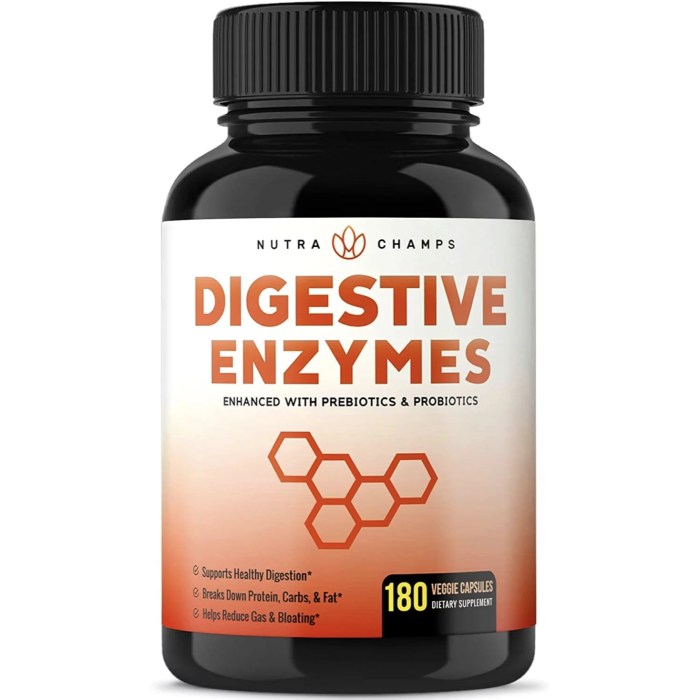
Holistic treatments emphasize the interconnectedness of mind, body, and spirit when it comes to overall wellness. Integrating digestive enzyme support into holistic practices can further enhance the body’s ability to absorb nutrients efficiently, leading to improved health outcomes.
Synergistic Effects of Holistic Practices with Enzyme Optimization
- Combining holistic treatments such as acupuncture, yoga, meditation, and herbal remedies with digestive enzyme optimization can create a harmonious balance within the body.
- These practices work together to support the digestive system, reduce inflammation, and promote overall well-being.
- By addressing the root cause of digestive issues through holistic approaches, individuals can experience long-term benefits in nutrient absorption and overall health.
Examples of Holistic Approaches Prioritizing Digestive Health
- Traditional Chinese Medicine: Acupuncture and Chinese herbal medicine can help regulate digestion and improve nutrient absorption by supporting the body’s natural healing processes.
- Ayurveda: Ayurvedic practices focus on balancing the body’s doshas through diet, lifestyle modifications, and herbal remedies to enhance digestion and nutrient assimilation.
- Naturopathy: Naturopathic doctors emphasize the use of natural therapies, including dietary changes, supplements, and lifestyle modifications, to optimize digestive health and nutrient absorption.
Mental Resilience and Digestive Enzyme Balance
Proper digestion and nutrient absorption play a crucial role in mental resilience. When our bodies efficiently break down food and absorb essential nutrients, our brain function is optimized, leading to improved cognitive abilities and emotional well-being.
The Impact of Digestive Enzymes on Mental Resilience
Digestive enzymes support cognitive function by aiding in the breakdown of nutrients that are essential for brain health. They help ensure that vital vitamins, minerals, and amino acids are properly absorbed, providing the necessary building blocks for neurotransmitters that regulate mood and mental clarity.
- Proper digestion and nutrient absorption are essential for optimal brain function and emotional stability.
- Digestive enzymes assist in breaking down food to extract vital nutrients that support mental well-being.
- Efficient absorption of nutrients enhances cognitive abilities and emotional resilience.
Strategies for Enhancing Mental Resilience through Optimal Digestion, Digestive enzymes for better nutrient absorption
To support mental resilience through digestion, it is essential to prioritize nutrient-dense foods and incorporate digestive enzymes into your wellness routine. Additionally, managing stress levels, staying hydrated, and getting regular exercise can all contribute to better nutrient absorption and overall mental well-being.
By optimizing digestion and nutrient absorption, individuals can enhance their mental resilience and emotional balance.
End of Discussion
In conclusion, the intricate dance of digestive enzymes in our bodies plays a vital role in ensuring that we gain maximum benefits from the nutrients we consume. By understanding and harnessing the power of these enzymes, we pave the way for improved health and wellness.
Dive into the world of digestive enzymes and unlock a healthier future today.
Common Queries
How do digestive enzymes work in our bodies?
Digestive enzymes help break down food into smaller molecules that can be absorbed by the body, facilitating better nutrient absorption.
Are there any natural food sources rich in digestive enzymes?
Yes, foods like pineapple, papaya, and kefir are known to be rich in digestive enzymes that can aid in digestion.
Can enzyme supplements be beneficial for individuals with digestive issues?
Yes, enzyme supplements can provide additional support for individuals with digestive problems by aiding in the breakdown of food.